



Every chilled product tells a story about timing, temperature, and trust. Whether it is fresh produce, frozen goods, pharmaceuticals, or prepared food, one small lapse in cold storage can lead to spoilage, safety risks, and lost revenue. That is why many businesses eventually face the same question: Is investing in a dedicated cold room really worth it?
The answer lies in understanding return on investment, or ROI. A walk-in cold room is not just a large refrigerator. It is a long-term infrastructure decision that directly affects operating costs, product quality, workflow efficiency, and business growth. When evaluated properly, the returns often extend far beyond simple cost savings.
What ROI Really Means for Cold Storage Investments
ROI is often simplified to a comparison of upfront cost versus long-term savings. In cold storage, the picture is broader. A proper ROI assessment considers how the system performs over time, how it reduces losses, how it supports daily operations, and how it scales with your business.
Unlike short-term equipment purchases, cold rooms are designed to operate continuously for years. Their value is measured not only by how much electricity they consume, but also by how consistently they protect your inventory and enable smooth operations.
Initial Investment vs Long-Term Value
The upfront cost of a cold room can feel significant. Construction, insulation panels, refrigeration systems, control panels, and installation all contribute to the initial investment. However, this cost should be weighed against the lifespan of the system, which can range from 10 to 20 years with proper maintenance.
When spread over its operational life, the annual cost often becomes far more manageable than expected. Many businesses also find that upgrading from multiple smaller refrigeration units to a single integrated cold room helps cut costs for your business by reducing duplicated energy usage, maintenance work, and equipment downtime.
Energy Efficiency and Utility Savings
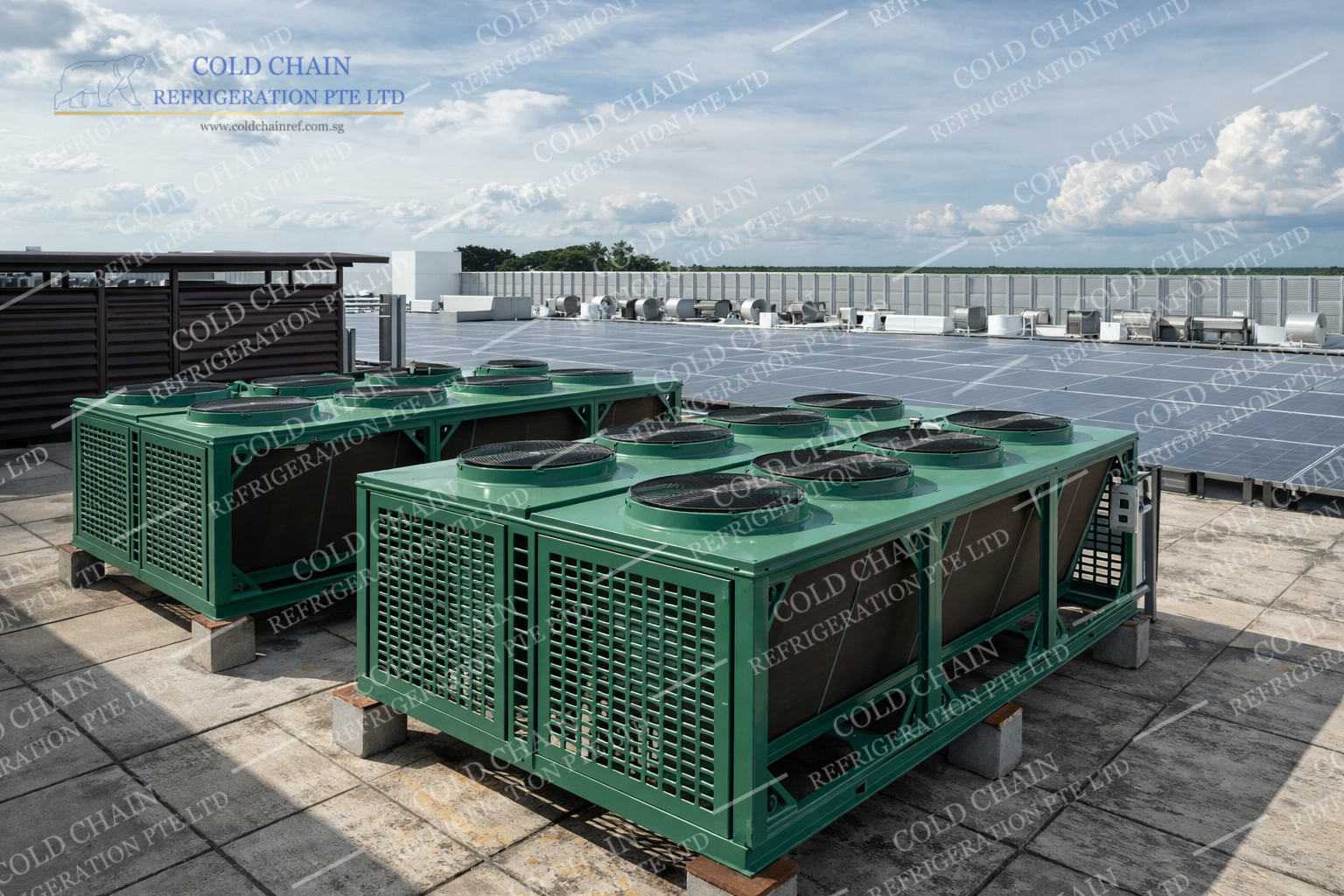
Energy consumption is one of the highest ongoing costs in cold storage. Modern cold rooms are designed with high-performance insulation, efficient compressors, and precise temperature control systems. These improvements significantly reduce heat infiltration and unnecessary cycling.
Compared to older refrigeration setups or multiple standalone freezers, a well-designed cold room typically delivers lower energy consumption per cubic metre of storage. Over time, the reduction in electricity bills becomes one of the most tangible contributors to ROI.
Reducing Product Loss and Waste
Few factors erode profit as quietly as product spoilage. Temperature fluctuations, overcrowded storage, and inconsistent cooling all increase the risk of damaged goods.
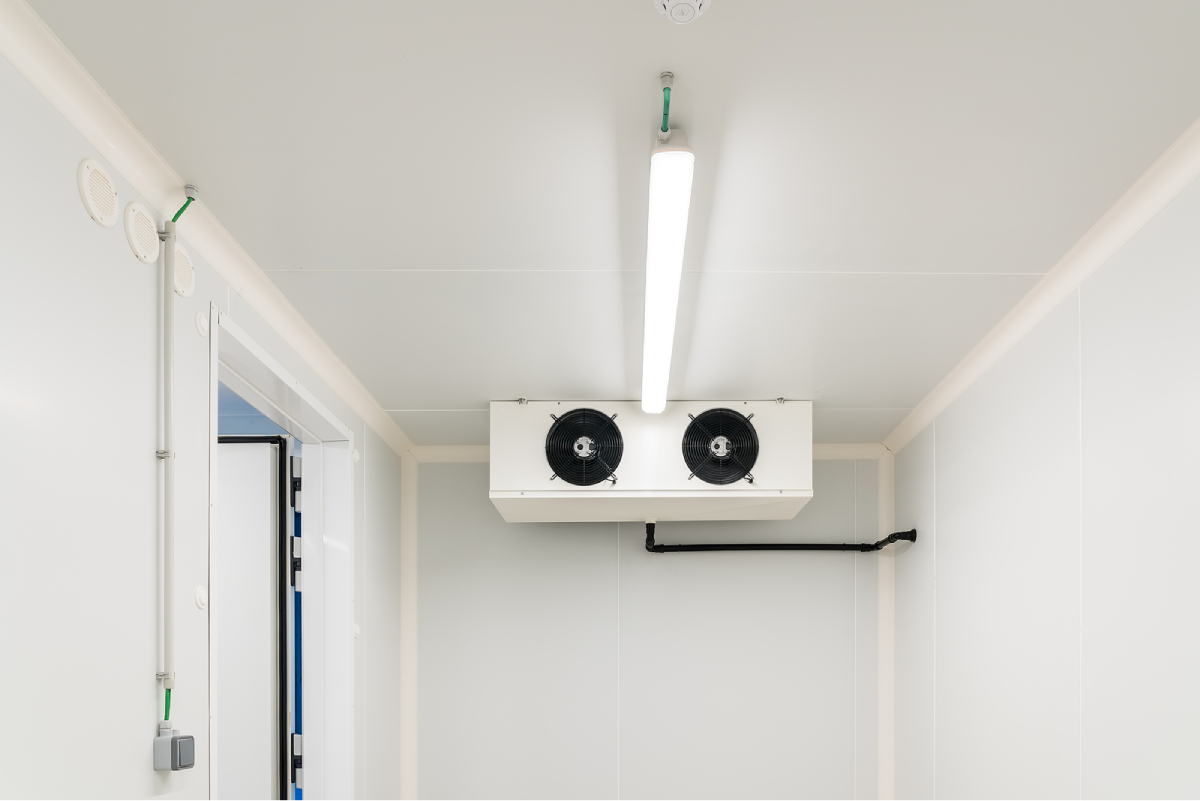
A properly designed cold room maintains stable temperatures throughout the space, even during frequent door openings or peak usage periods. This consistency directly reduces spoilage rates, extends shelf life, and improves food safety compliance. For businesses dealing with high-value or perishable goods, even a small reduction in waste can translate into substantial financial returns.
Improving Workflow and Labour Efficiency
Cold storage affects how staff move, store, retrieve, and manage inventory. Poorly planned storage layouts often lead to congestion, longer retrieval times, and unnecessary door openings that compromise temperature stability.
A custom cold room can be designed around your workflow. Shelving heights, aisle spacing, access points, and zoning all play a role. When staff can locate and retrieve items quickly, productivity improves and operational stress decreases. Over time, these efficiencies reduce labour costs and minimise errors, both of which contribute to ROI.
Supporting Business Growth and Scalability
One often overlooked benefit of investing in a cold room is scalability. As your business grows, storage needs increase. Relying on temporary solutions such as additional chest freezers or off-site storage can become costly and inefficient.
A cold room built with future expansion in mind allows your operations to scale without constant reconfiguration. Modular panels and adaptable refrigeration capacity make it easier to expand storage volume or adjust temperature zones as product lines evolve. This flexibility protects your initial investment and avoids repeated capital expenditure.
Maintenance, Reliability, and Downtime Costs
ROI is not just about savings. It is also about avoiding losses. Unplanned downtime due to equipment failure can be devastating, especially when inventory is time-sensitive.
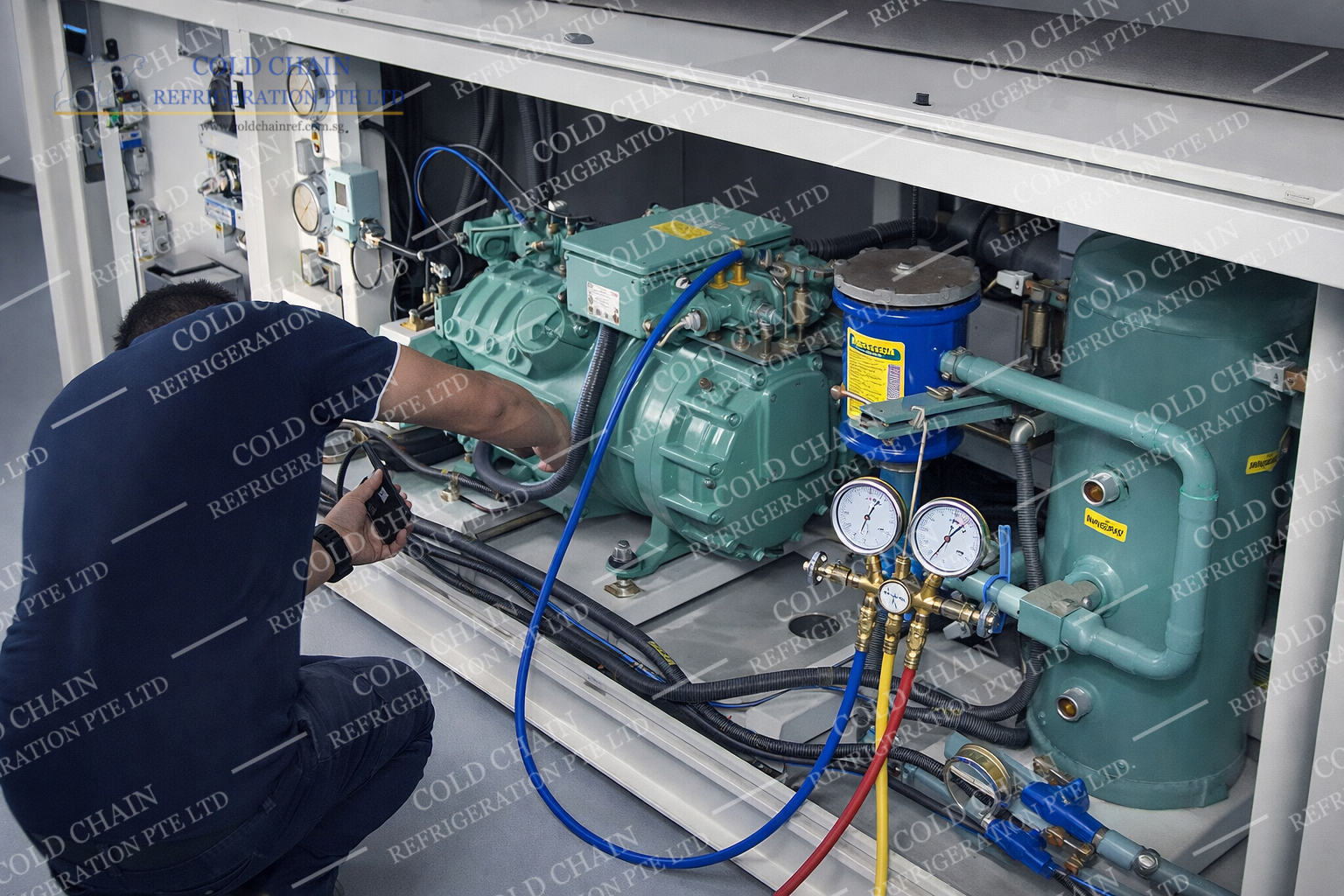
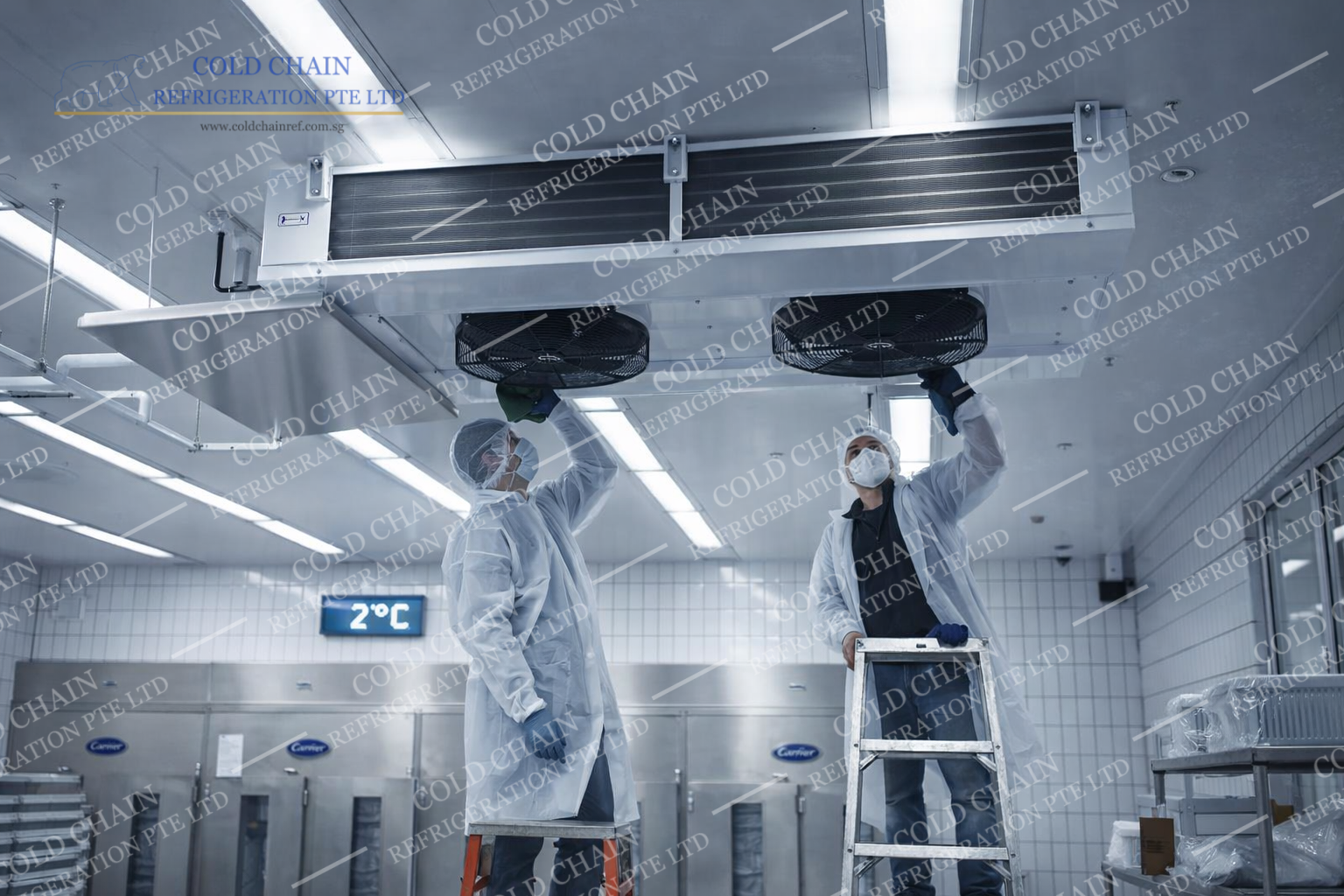
High-quality cold rooms are designed for reliability and ease of maintenance. Components are accessible, systems are monitored, and issues can often be detected early before they escalate into failures. Lower breakdown rates mean fewer emergency repairs, less product loss, and greater operational confidence.
Compliance and Risk Management
Regulatory compliance plays a significant role in cold storage operations. Food safety standards, pharmaceutical guidelines, and audit requirements all demand strict temperature control and record keeping.
Modern cold rooms can be equipped with monitoring systems that log temperature data and alert operators to deviations. This not only reduces compliance risks but also protects your business from costly penalties, rejected shipments, or reputational damage. While harder to quantify, risk reduction is a meaningful part of ROI.
When ROI Is Often Underestimated
Many businesses underestimate ROI by focusing only on upfront costs or energy savings. The real value often comes from the combination of reduced waste, improved efficiency, consistent product quality, and operational resilience.
It is also important to consider opportunity cost. Time spent managing inefficient storage, responding to breakdowns, or dealing with spoilage is time not spent growing the business. A reliable cold room frees up both financial and mental bandwidth.
Making a Smart Investment Decision
Understanding ROI requires a clear assessment of your current challenges. These might include rising energy bills, frequent product loss, space constraints, or operational bottlenecks. A cold room investment should be evaluated against these pain points rather than treated as a generic upgrade.
Working with an experienced provider ensures that the system is sized correctly, designed for your workflow, and optimised for efficiency. Poorly designed cold rooms can undermine ROI, while thoughtful design maximises long-term returns.
Conclusion: Turning Cold Storage into a Strategic Asset
Cold storage does not have to be a cost centre. When planned properly, it becomes a strategic asset that supports quality, consistency, and growth. The ROI of a cold room extends beyond financial spreadsheets and into daily operations, customer satisfaction, and long-term resilience.
If you are exploring how a purpose-built cold storage solution can deliver real returns for your business, Cold Chain Refrigeration offers expertise in designing and implementing systems that align with your operational goals. By working with specialists who understand both technical performance and practical workflows, you can invest with confidence and build a cold room that delivers value year after year.
Get in touch with us today for more information.