


Temperature fluctuations, improper storage, and overlooked regulations can quietly cost businesses thousands in spoiled goods, failed audits, and reputational damage. In Singapore, where food safety and pharmaceutical standards are tightly regulated, getting cold storage right is not optional. It is essential.
If your business relies on refrigeration, understanding the latest cold storage guidelines is key to staying compliant, protecting your inventory, and running efficient operations.
Why Cold Storage Guidelines Matter in Singapore
Singapore maintains strict standards for food safety, healthcare storage, and logistics. Regulatory bodies such as the Singapore Food Agency (SFA) and the Health Sciences Authority (HSA) enforce clear requirements on how temperature-sensitive products should be handled and stored.
These guidelines are not just about ticking boxes. They are designed to:
- Prevent contamination and spoilage
- Ensure consumer safety
- Maintain product integrity across the supply chain
- Reduce operational risks for businesses
Failing to meet these requirements can lead to penalties, product recalls, or even suspension of operations.
Key Temperature Requirements You Need to Follow
At the core of cold storage guidelines lies temperature control. Different products require different storage conditions, and even slight deviations can cause damage.
Here is a general breakdown:
- Chilled food: Typically stored between 0°C to 14°C
- Frozen goods: Stored at 0°C to -25°C or below
- Pharmaceutical products: Often require strict ranges such as 2°C to 8°C
Consistency is critical. It is not enough to hit the right temperature once. Your system must maintain stable conditions at all times, including during loading, unloading, and storage.
This is where proper cold chain compliance becomes essential. Businesses must ensure their equipment, processes, and monitoring systems are aligned with regulatory expectations.
Proper Cold Room Design and Setup
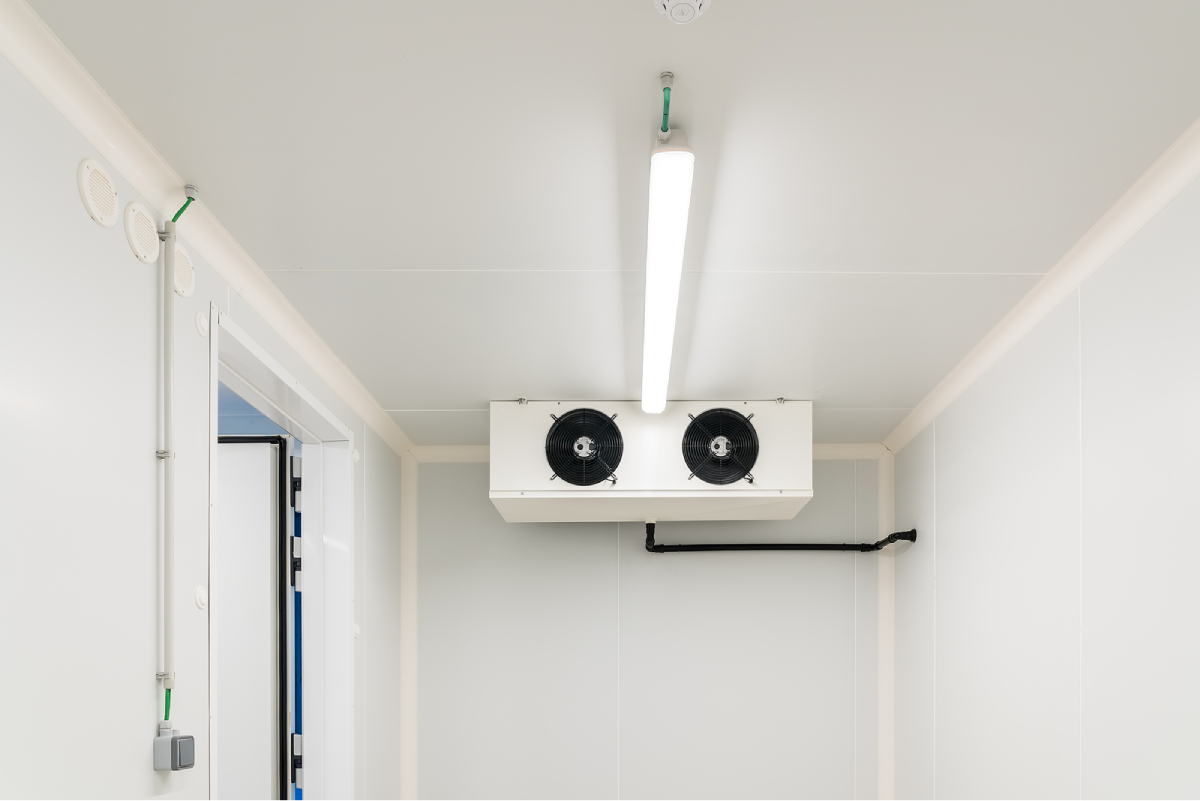
A compliant cold storage system starts with the right design. Poorly designed cold rooms often lead to uneven cooling, energy inefficiency, and difficulty maintaining required standards.
Some important factors to consider include:
- Insulation and Materials
High-quality insulation helps maintain internal temperatures and reduces energy loss. Panels should be durable, moisture-resistant, and suitable for your operating environment.
- Airflow and Layout
Proper ventilation and airflow ensures even temperature distribution. Avoid overcrowding and plan storage layouts that allow air to circulate freely.
- Door Sealing and Access
Frequent door openings can cause temperature fluctuations. Well-sealed doors and efficient access planning help minimise disruptions.
- Size and Capacity Planning
Your cold room should match your operational needs. Oversized systems waste energy, while undersized ones struggle to maintain stable conditions.
Investing in a well-designed system from the start makes it easier to meet regulatory standards and reduces long-term costs.
- Monitoring and Documentation Requirements
Regulatory compliance in Singapore goes beyond setup. Businesses are expected to actively monitor and document their cold storage conditions.
- Temperature Monitoring
Install reliable temperature sensors and data loggers to track conditions in real time. Automated systems can alert you to fluctuations before they become critical.
- Record Keeping
Maintain clear records of temperature logs, maintenance schedules, and inspection reports. These documents are often required during audits.
- Calibration and Maintenance
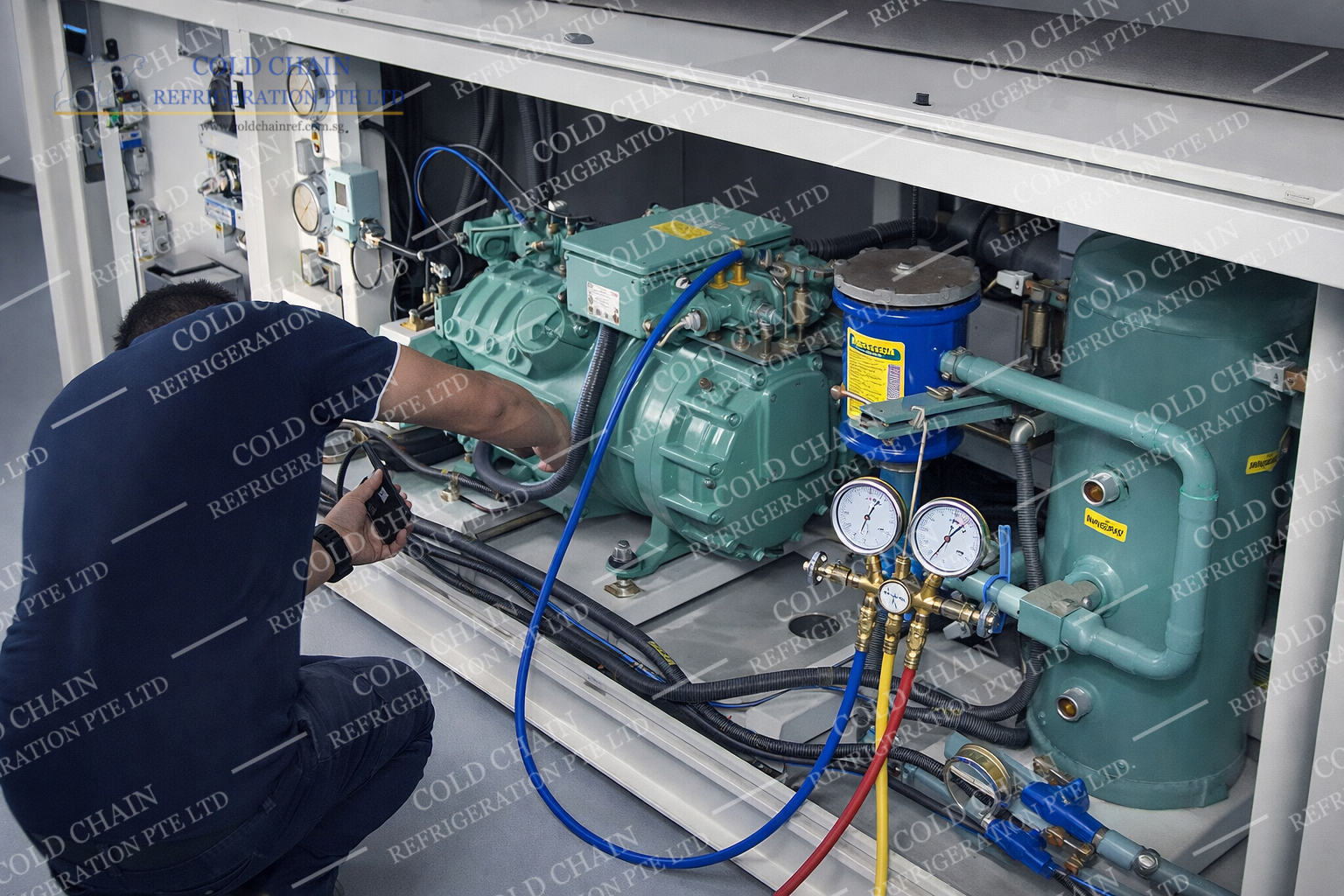
Regular calibration ensures your equipment provides accurate readings. Preventive maintenance helps avoid unexpected breakdowns that could compromise storage conditions.
Having a strong monitoring system not only supports compliance but also gives you peace of mind that your products are stored safely.
Hygiene and Food Safety Practices
Cleanliness plays a major role in cold storage compliance. Even with perfect temperature control, poor hygiene can lead to contamination.
Key practices include:
- Regular cleaning and sanitisation of storage areas
- Proper segregation of raw and cooked products
- Clear labelling and stock rotation using FIFO (First In, First Out)
- Staff training on hygiene and handling procedures
Singapore’s regulatory framework places strong emphasis on food safety, and businesses are expected to maintain high standards at all times.
Staff Training and Operational Procedures
Your systems are only as effective as the people managing them. Staff must understand how to handle cold storage properly and respond to potential issues.
Training should cover:
- Correct storage procedures for different product types
- How to read and respond to temperature monitoring systems
- Basic maintenance and reporting processes
Clear standard operating procedures help ensure consistency across your operations and reduce the risk of human error.
Energy Efficiency and Sustainability Considerations
Cold storage systems can consume significant amounts of energy. As businesses look to reduce costs and meet sustainability goals, energy efficiency is becoming increasingly important.
Some ways to improve efficiency include:
- Using energy-efficient refrigeration systems
- Installing LED lighting and motion sensors
- Minimising door opening times
- Regularly maintaining equipment to ensure optimal performance
Sustainable practices are not just good for the environment. They also help lower operational costs and improve overall system reliability.
Preparing for Inspections and Audits
Regulatory inspections are a normal part of operating in Singapore. Being prepared can make the process smoother and less stressful.
Before an audit:
- Review your temperature logs and records
- Ensure all equipment is functioning properly
- Check that cleaning and maintenance schedules are up to date
A well-maintained system with proper documentation demonstrates your commitment to compliance and reduces the risk of penalties.
Common Mistakes Businesses Should Avoid
Even experienced operators can make mistakes when it comes to cold storage. Some of the most common issues include:
- Overloading storage spaces, which restricts airflow
- Ignoring minor temperature fluctuations until they become serious
- Inadequate staff training
- Poor maintenance practices
- Lack of proper documentation
Avoiding these pitfalls can significantly improve your operational efficiency and compliance standing.
Looking Ahead: The Future of Cold Storage
As technology continues to evolve, the future of cold storage is becoming more advanced and data-driven. Smart monitoring systems, automation, and IoT-enabled solutions are transforming how businesses manage their cold rooms.
Real-time tracking, predictive maintenance, and remote monitoring are helping businesses respond faster to potential issues and optimise performance.
Staying ahead of these trends can give your business a competitive edge while ensuring you remain compliant with evolving regulations.
Conclusion: Build a Compliant and Reliable Cold Storage System
Cold storage is more than just refrigeration. It is a critical part of your business operations that directly impacts product quality, safety, and compliance.
Understanding Singapore’s guidelines, investing in the right infrastructure, and maintaining strong operational practices can help you avoid costly mistakes and run your operations with confidence.
If you are looking to upgrade your system or ensure full compliance, Cold Chain Refrigeration offers tailored solutions designed for your specific needs. From system design to installation and maintenance, our expertise helps you build a cold storage setup that is efficient, reliable, and ready for the demands of modern business.
For more information, get in touch with us today.