


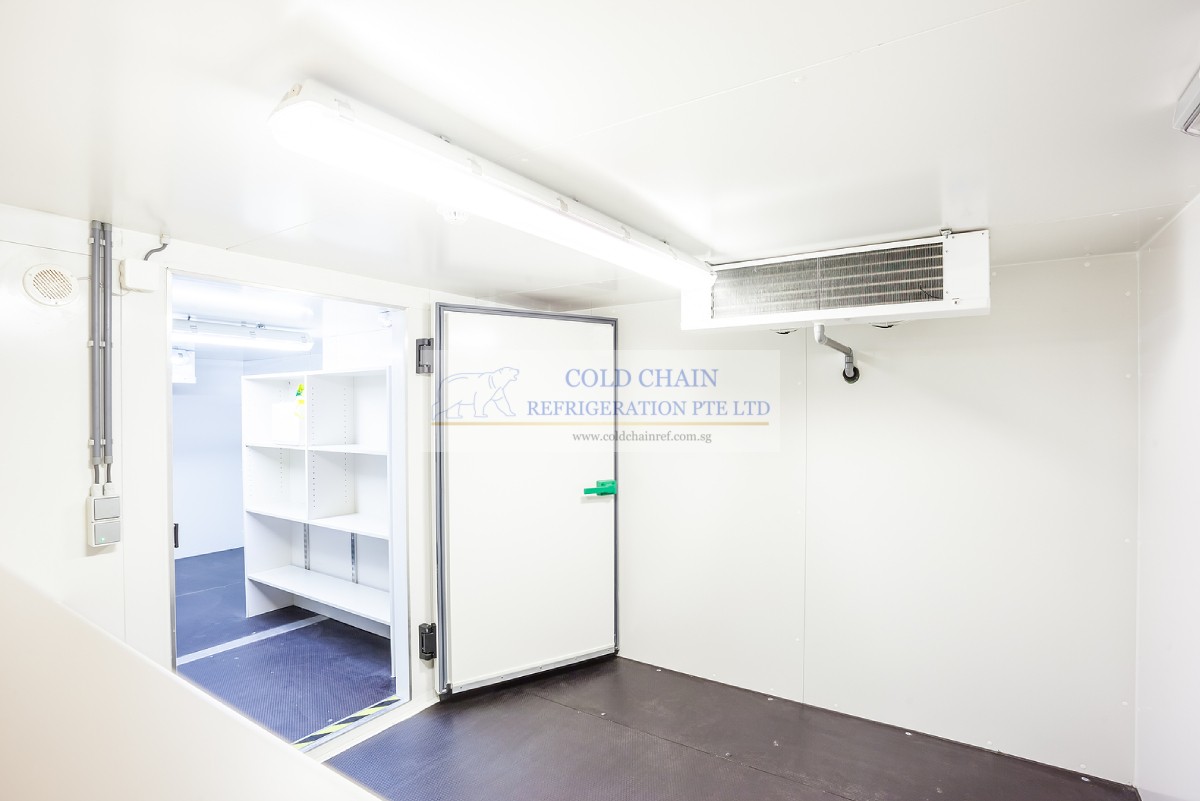
Cold storage is one of those things you rarely think about until you really need it. One minute, you are managing inventory just fine. The next, you are dealing with spoiled goods, inconsistent temperatures, or not enough storage to support your growth. That is when a walk-in cold room stops being a luxury and becomes a necessity.
If you are planning a cold room installation, understanding what the process looks like can help you avoid delays, unexpected costs, and operational headaches. Here is a clear breakdown of what to expect, from timeline to budgeting and beyond.
Why Businesses Invest in Walk-In Cold Rooms
Walk-in cold rooms are essential for industries that rely on precise temperature control. This includes F&B, pharmaceuticals, logistics, and even floristry. Unlike standard refrigeration units, cold rooms are designed for scalability, consistency, and long-term use.
They allow businesses to:
- Store larger volumes of temperature-sensitive goods
- Maintain strict hygiene and safety standards
- Reduce wastage from spoilage
- Improve operational workflow
More importantly, a well-designed system helps you maximise efficiency in cold room operations, especially as your business scales.
What the Installation Timeline Looks Like (Based on Building a Small Cold Room of About 96sqft)
One of the most common questions businesses ask is: “How long will it take?”
The short answer is that it depends on your requirements square area. The longer answer is that most projects follow a structured process that typically spans 3 to 4 weeks, excluding equipment lead time.
1. Site Assessment and Consultation (3 to 7 days)
This is where everything begins. A specialist will visit your site to understand:
- Available space
- Type of goods being stored
- Required temperature range
- Workflow and access points
This stage is crucial because it ensures your cold room is not just functional, but also practical for daily operations.
2. Design and Proposal (3 to 5 days)
Once the requirements are clear, the provider will develop a tailored proposal. This includes:
- Layout and dimensions
- Insulation specifications
- Refrigeration system details
- Estimated cost
Customisation is key here. No two cold rooms are exactly the same, especially when different industries have different compliance and storage needs.
3. Fabrication and Equipment Preparation (Up to 4 weeks, subject to lead time)
After approval, materials and components are prepared. This includes insulated panels, doors, and refrigeration units.
Lead time can vary depending on:
- Size of the cold room
- Availability of materials
- Level of customisation
4. On-Site Installation (1 week)
This is where everything comes together. The team will:
- Assemble insulated panels
- Install cold room door
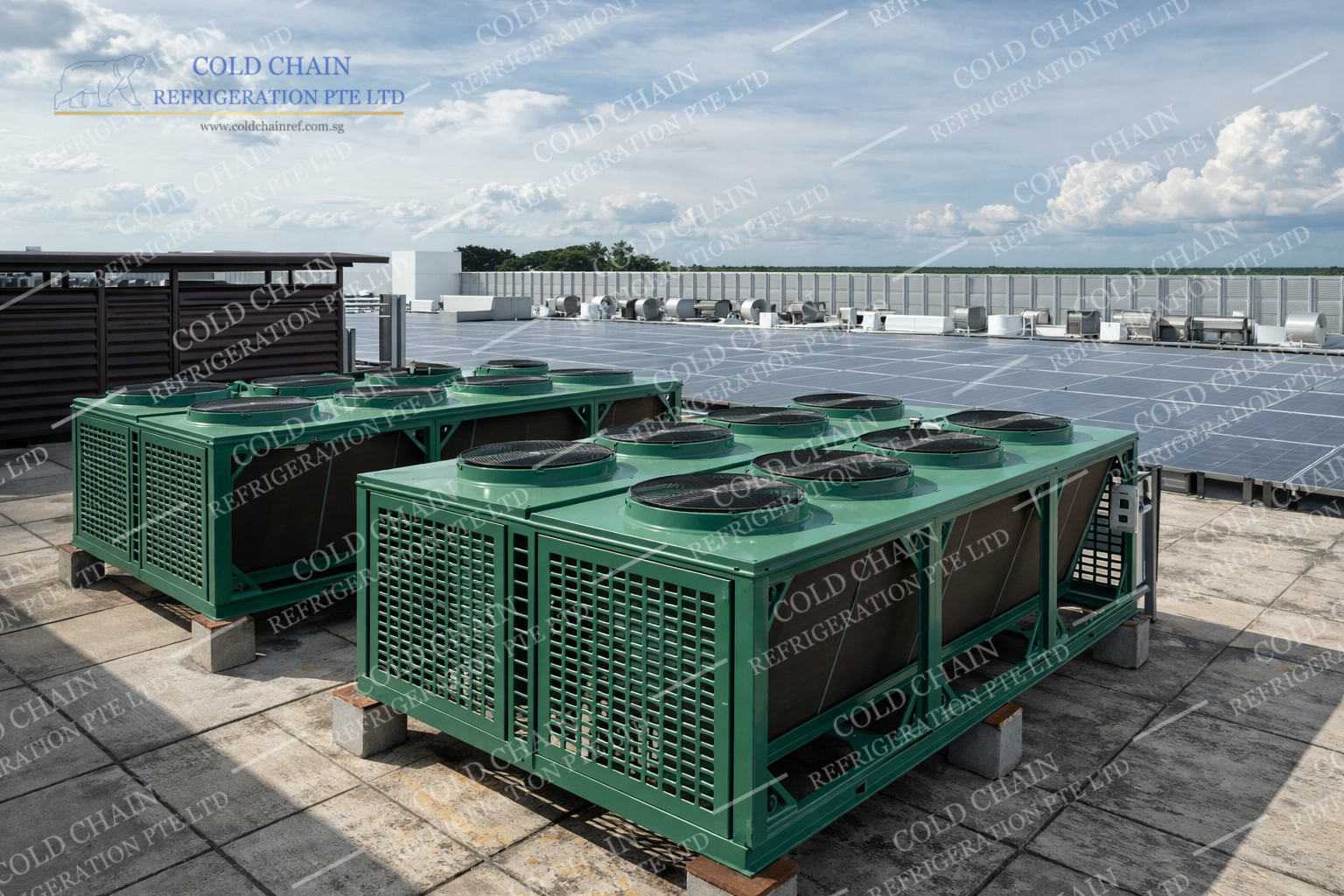
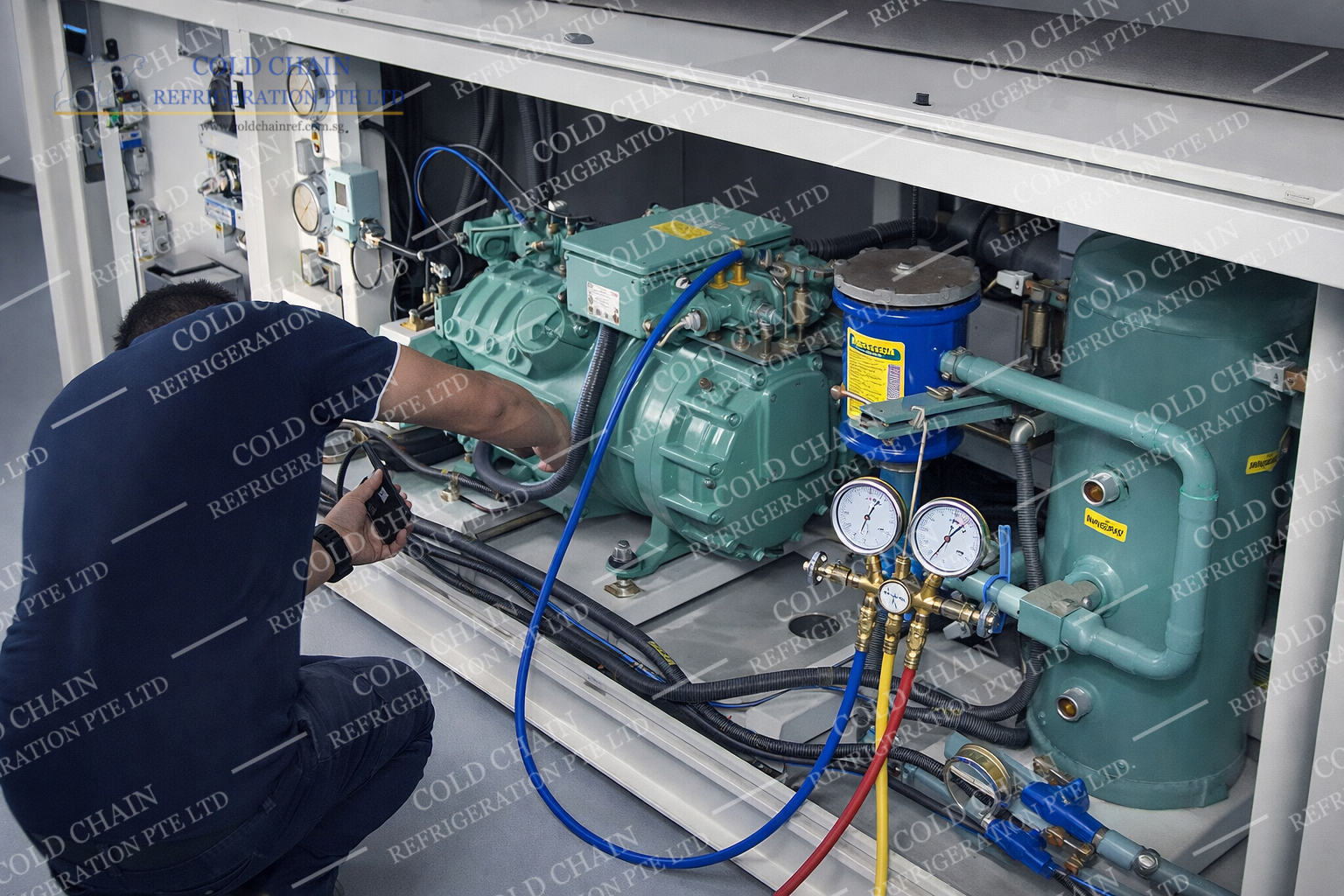
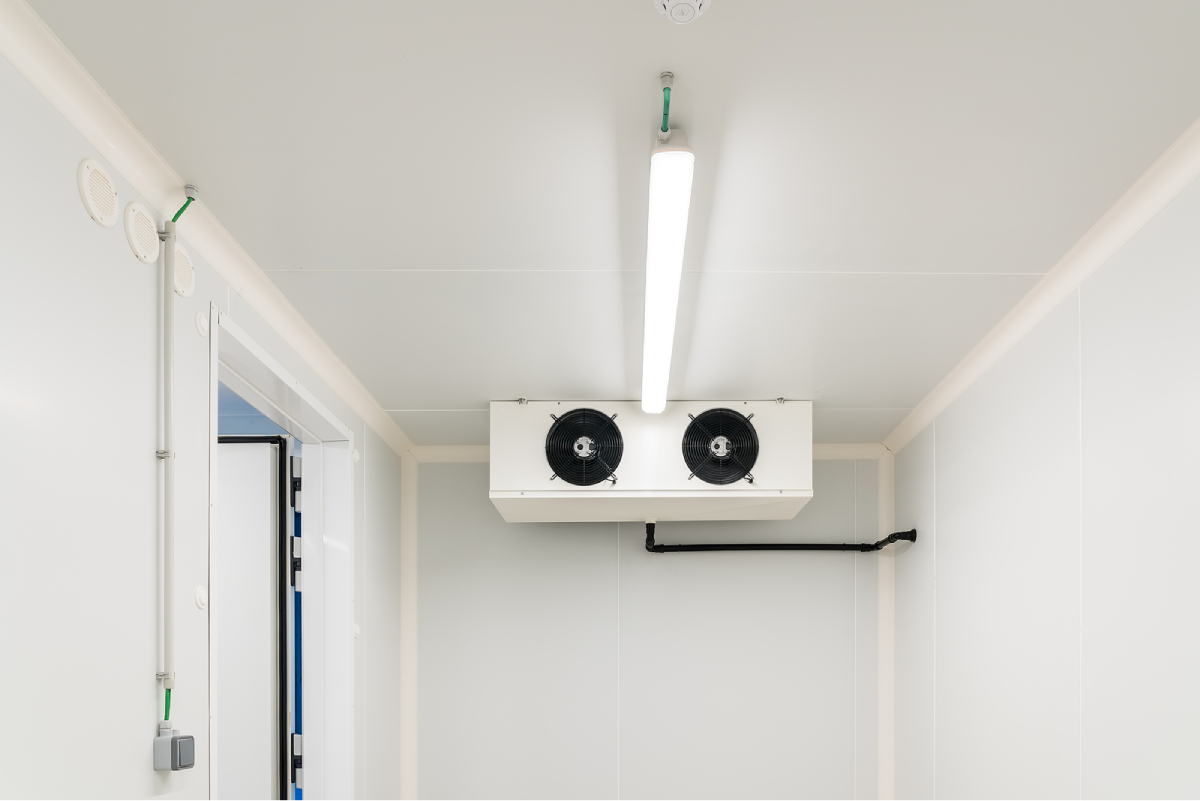
- Set up refrigeration units
- Connect electrical components
For larger or more complex setups, installation may take slightly longer.
5. Testing and Commissioning (1 to 3 days)
Before handover, the system is tested to ensure:
- Temperature consistency
- Proper airflow
- System reliability
Once everything is verified, your cold room is ready for use.
How Much Does a Walk-In Cold Room Cost?
Costs can vary widely depending on your needs, but having a rough range helps with planning.
Typical Price Range in Singapore
- Small cold room about 96sqft: SGD25,000 to SGD35,000
- Medium cold room about 538sqft: SGD50,000 to SGD80,000
- Large or custom systems above 538sqft: Above SGD80,000
Key Factors That Affect Cost
1. Size and Dimensions
Larger rooms require more materials and stronger cooling systems.
2. Temperature Requirements
Freezer rooms are more expensive than chiller rooms due to lower temperature demands.
3. Insulation Quality
Higher-grade insulation improves energy efficiency but comes at a higher upfront cost.
4. Refrigeration System
The type and capacity of the cooling unit will significantly impact pricing.
5. Installation Complexity
Tight spaces, structural modifications, or special requirements can increase labour costs.
What to Expect During Installation
Understanding the process helps you prepare your business for minimal disruption.
Temporary Operational Adjustments
Depending on your setup, you may need to:
- Shift inventory temporarily
- Adjust delivery schedules
- Allocate space for installation work
Planning ahead ensures your business continues running smoothly.
Noise and On-Site Activity
Installation involves tools, drilling, and equipment setup. While not overly disruptive, there will be noticeable activity during working hours.
Compliance and Safety Checks
A professional installation team will ensure your system meets:
- Local safety regulations
- Electrical standards
- Industry-specific requirements
This is especially important for sectors like food handling and healthcare.
Common Mistakes to Avoid
A cold room is a long-term investment, so getting it right from the start matters.
1. Underestimating Capacity Needs
Many businesses plan based on current needs instead of future growth. This often leads to upgrading sooner than expected.
2. Choosing Price Over Quality
Lower upfront costs can lead to higher maintenance and energy bills over time. Investing in quality components pays off in the long run.
3. Poor Layout Planning
An inefficient layout can slow down daily operations. Think about how staff will move, access inventory, and manage stock.
4. Ignoring Maintenance Requirements
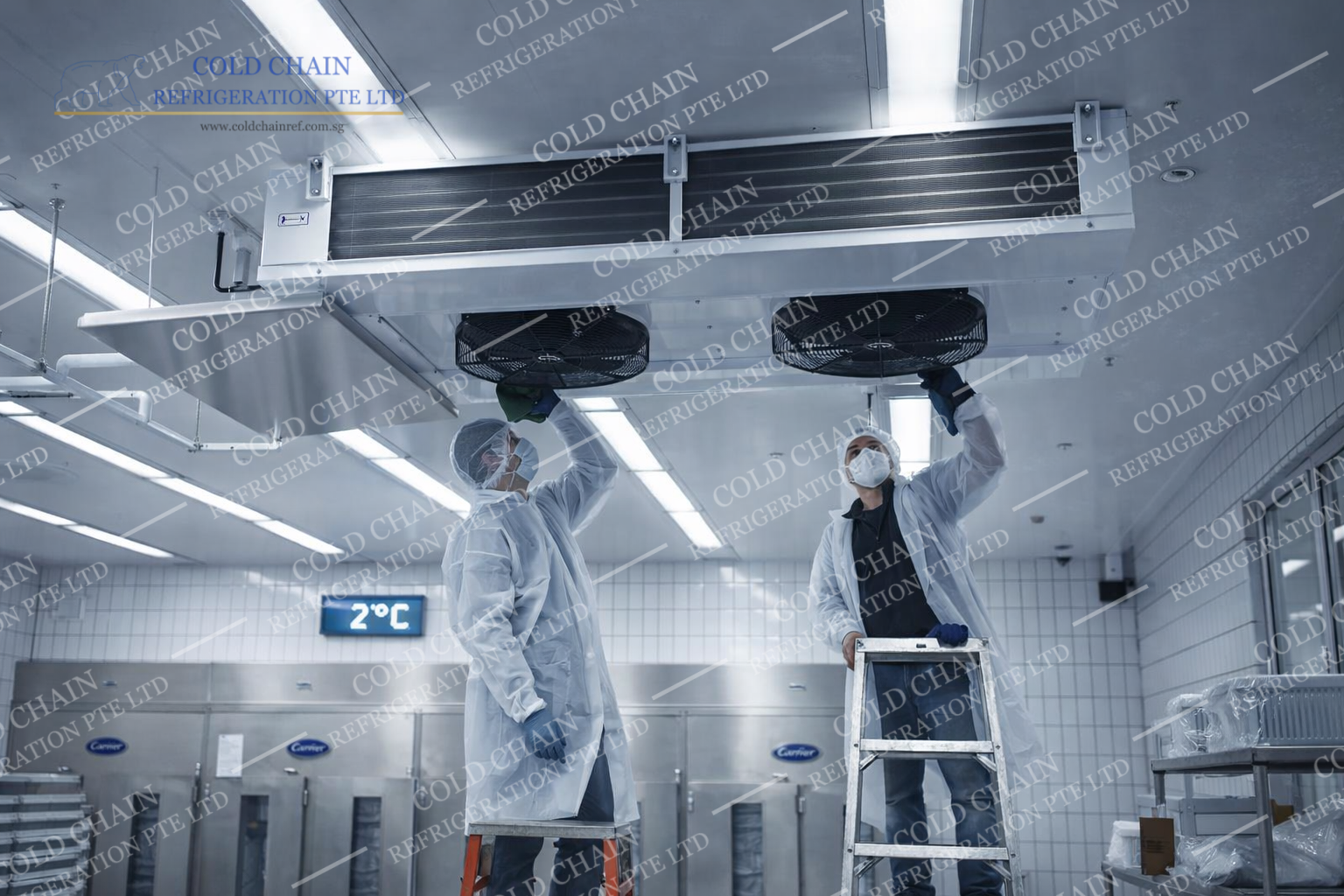
Regular servicing is essential to keep your system running efficiently and to prevent costly breakdowns.
How to Choose the Right Installation Partner
Not all providers offer the same level of expertise. Choosing the right partner can make a huge difference.
Look for a company that:
- Has proven experience across industries
- Offers customised solutions, not one-size-fits-all packages
- Provides after-sales support and maintenance
- Understands local regulations and compliance
A reliable partner will guide you through the entire process, from planning to long-term upkeep.
Final Thoughts: Planning for Long-Term Success
A walk-in cold room is more than just a storage space. It is a critical part of your operations that directly impacts product quality, efficiency, and profitability.
Taking the time to understand the installation timeline, costs, and process helps you make smarter decisions. It also ensures your system is built to support your business not just today, but in the years ahead.
Ready to Build a Cold Room That Works for You?
If you are planning to upgrade your storage capabilities or install a new system, working with experts makes all the difference.
Cold Chain Refrigeration delivers tailored cold room solutions designed around your business needs, workflow, and growth plans. From consultation to installation and maintenance, our team ensures your system runs reliably and efficiently from day one.
Reach out to Cold Chain Refrigeration today and take the next step toward a smarter, more dependable cold storage setup.