



Cold rooms play a critical role in a variety of industries, from food storage to pharmaceuticals and beyond. They offer a controlled environment that ensures products remain fresh, safe, and effective. However, one of the most common challenges faced by businesses using cold storage facilities is the overstocking of these rooms, which can severely impact their efficiency. In this article, we explore the impact of overstocking on cold room performance, the importance of careful design in cold storage room setups, and how to maximise the efficiency of walk-in freezers and other cold storage systems.
Understanding Cold Room Efficiency
Cold rooms – whether it is a walk-in freezer or walk-in chiller – are designed to maintain specific temperatures for the preservation of various products. Their efficiency depends on a number of factors, including insulation, cooling systems, and airflow. When a cold room is stocked to capacity or beyond, these factors can be compromised, leading to decreased performance, increased energy consumption, and potential product loss.
Efficient cold room design ensures that temperature and humidity levels are maintained within the desired range, promoting optimal storage conditions. The system relies on adequate space for airflow, proper insulation to minimise energy loss, and well-maintained cooling units. Overstocking can undermine these elements, leading to poor temperature regulation and inefficient energy use.
The Consequences of Overstocking in Cold Rooms
1. Reduced Airflow and Temperature Distribution
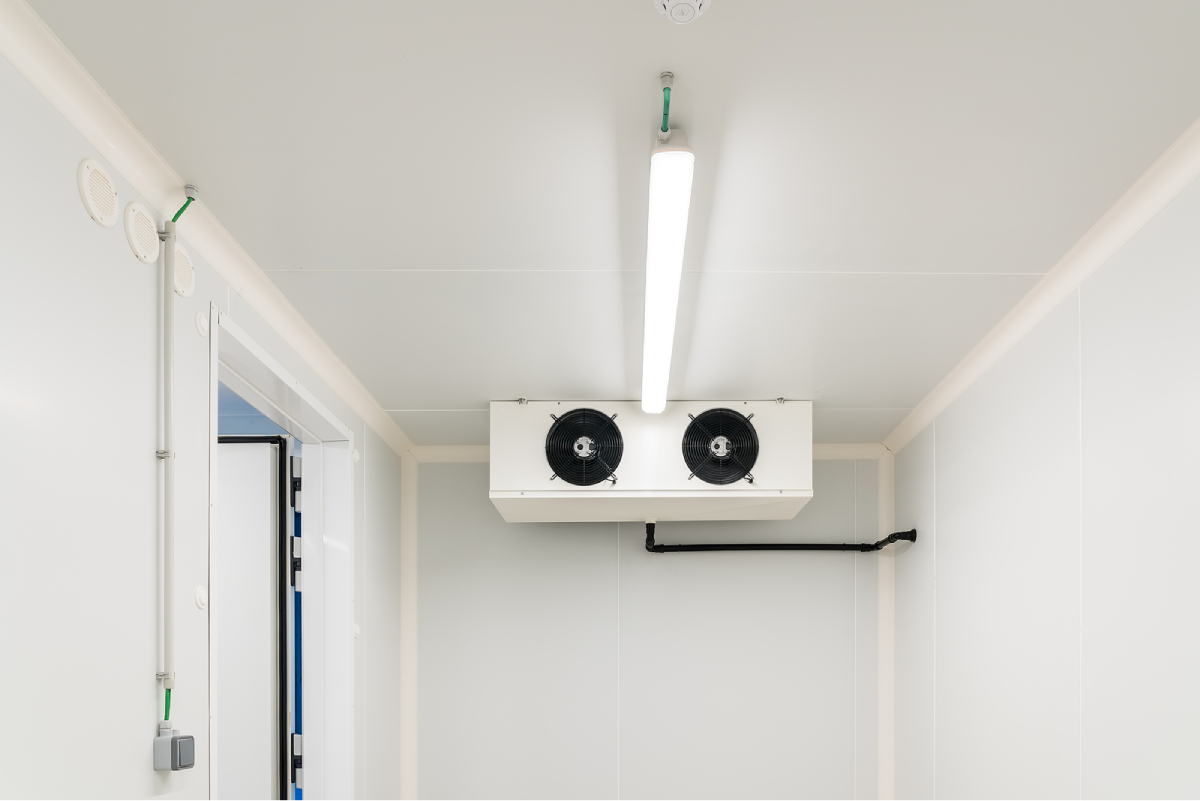
Cold storage rooms rely on consistent airflow to maintain an even temperature throughout the space. Overstocking can block vents, obstruct fans, and prevent air from circulating properly. As a result, certain areas of the room may experience temperature fluctuations, which can lead to spoilage, degradation, or product damage.
2. Increased Energy Consumption
When a cold room is overstocked, the cooling system works harder to maintain the desired temperature. The increased load can lead to higher energy consumption, driving up operational costs. In some cases, the system may even fail to maintain the correct temperature, leading to product waste and costly repairs.
3. Compromised Storage Conditions
Overstocking can also impact other storage conditions, such as humidity levels and product accessibility. For example, if a walk-in freezer is packed too tightly, it may become difficult to monitor the temperature, check for any signs of damage, or rotate stock regularly. This can lead to increased spoilage or reduced shelf life for the stored products.
4. Health and Safety Risks
In industries where food safety is a concern, overstocking can pose serious health risks. Improper storage conditions, such as inadequate temperature control, can allow bacteria or pathogens to grow, leading to contamination and posing a risk to public health. Overstocking may also prevent the proper implementation of safety protocols, such as temperature monitoring and regular inspections.
The Importance of Proper Cold Storage Room Design
Effective cold room design is essential for ensuring that cold storage spaces remain efficient and functional, even when fully stocked. Proper design focuses on maximising airflow, minimising energy consumption, and maintaining optimal storage conditions. Key elements to consider when planning to design a cold storage room include:
1. Insulation
Proper insulation reduces the amount of energy required to maintain the desired temperature. High-quality materials should be used for both walls and ceilings to minimise heat transfer and prevent temperature fluctuations.
2. Temperature and Humidity Control
The system should be designed to maintain the correct temperature and humidity levels for the specific type of products stored. Walk-in freezers and walk-in chillers for perishable goods often require precise control mechanisms to ensure that spoilage is avoided.
3. Airflow Management
Sufficient space between items is crucial to allow for proper airflow throughout the cold room. Shelving and racking systems should be designed to maximise vertical storage and ensure that items are organised for easy access. This also helps maintain uniform temperature distribution across the room.
4. Monitoring Systems
Incorporating temperature and humidity monitoring systems into the cold room design allows for real-time tracking of environmental conditions. This helps identify potential issues before they become critical, enabling businesses to take action quickly.
5. Energy Efficiency
As energy costs continue to rise, designing cold rooms with energy efficiency in mind is more important than ever. Using energy-efficient refrigeration systems and insulation materials can help reduce operational costs and ensure the cold room remains sustainable in the long term.
Conclusion
Overstocking is a common challenge faced by businesses that rely on cold storage rooms, but with the right design and careful management, its impact can be minimised. By ensuring proper airflow, insulation, and temperature control, businesses can maintain cold room efficiency and extend the lifespan of their products.
For businesses looking to design or upgrade their cold storage facilities, working with experts in the field can ensure that systems are optimised for efficiency. Cold Chain Refrigeration offers expert solutions to design walk-in chillers and walk-in freezers that meet the unique needs of your business while maximising performance and energy savings. Reach out to us for guidance on optimising your cold storage systems today.