


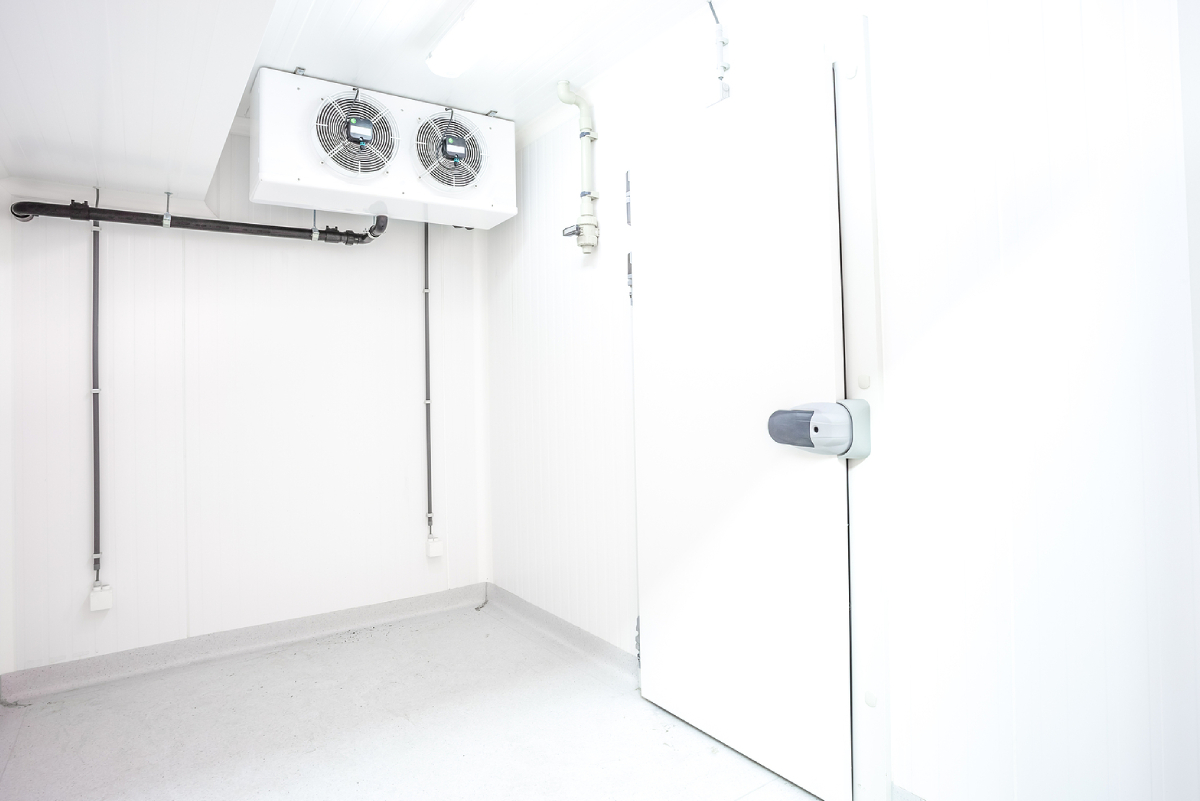
Maintaining optimal temperature control is critical for businesses that handle perishable goods. Whether you operate a restaurant, a food processing facility, or a pharmaceutical storage unit, understanding the distinct functions of walk-in chillers and freezers can greatly impact your cold storage strategy. While both are designed to preserve products by controlling temperature, their applications, design, and operational parameters vary significantly.
Defining Walk-In Chillers and Freezers
A walk-in chiller is a refrigerated room designed to maintain temperatures typically between 1°C and 5°C. This environment slows bacterial growth and extends the freshness of food and other temperature-sensitive products without freezing them. Walk-in chillers are ideal for short- to medium-term storage of fresh produce, dairy products, and beverages.
In contrast, a walk-in freezer maintains much lower temperatures, typically between -18°C and -25°C, enabling long-term preservation by freezing the contents. Freezer rooms are essential in industries requiring deep freezing to prevent spoilage, such as meat processing plants and seafood suppliers.
Temperature Range and Impact on Storage
The primary difference between walk-in chillers and freezers lies in their temperature range. The warmer environment of walk-in chillers slows down spoilage but does not freeze the stored products. This makes chillers suitable for fresh foods that need refrigeration without freezing, like fruits, vegetables, and dairy.
Walk-in freezers, on the other hand, create an environment that halts bacterial growth altogether by freezing food. This is crucial for meat, seafood, and frozen goods, which require low temperatures to retain quality over extended periods.
Construction and Insulation
Both walk-in chillers and freezers require specialised insulation to maintain stable internal temperatures efficiently, but freezer rooms demand thicker, more robust insulation panels due to their colder environment. High-quality insulation helps minimise energy consumption by reducing temperature fluctuations.
The doors on walk-in freezers are typically more airtight and heavy-duty, often featuring specialised gaskets and locking mechanisms to maintain a tight seal against cold air leaks. Walk-in chillers, while insulated, are generally less demanding in this aspect.
Refrigeration Systems
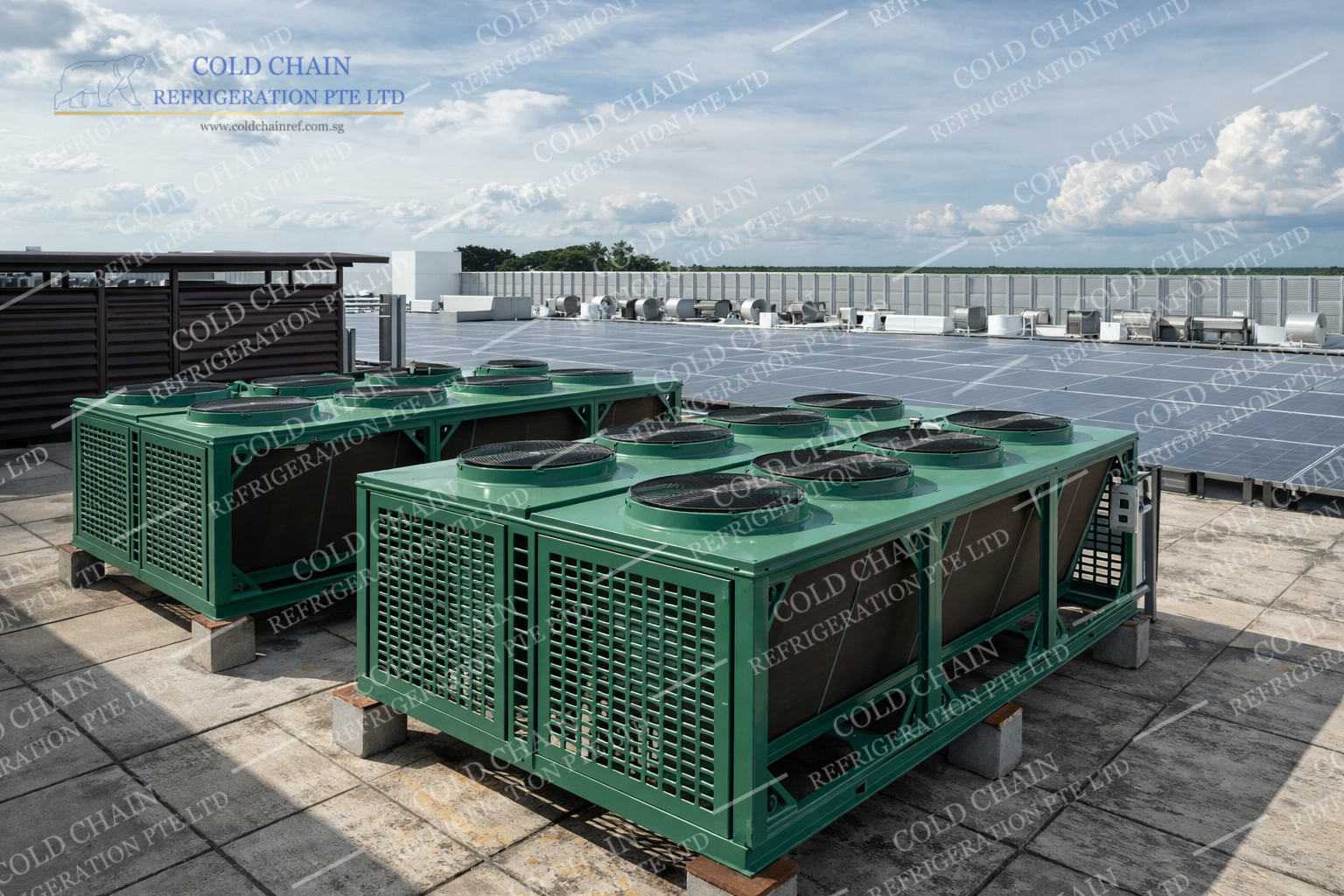
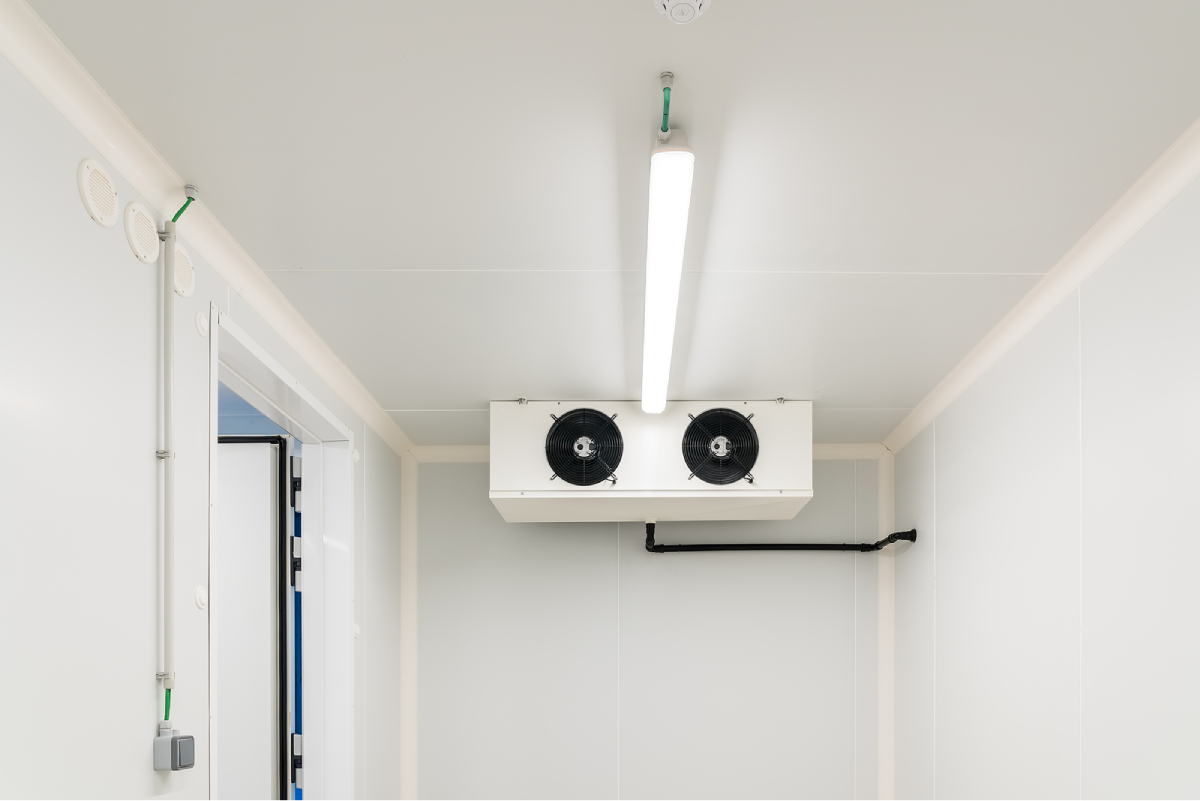
The refrigeration units in walk-in chillers and freezers differ in capacity and complexity. Freezer rooms use more powerful refrigeration systems capable of extracting greater amounts of heat to maintain sub-zero temperatures consistently. These systems also often incorporate defrost cycles to prevent ice buildup on evaporator coils, which can reduce efficiency.
Walk-in chillers have refrigeration systems optimised for moderate cooling, focusing on consistent temperature maintenance without the need for frequent defrosting.
Energy Consumption and Operational Costs
Because walk-in freezers operate at much lower temperatures, they inherently consume more energy than chillers. The refrigeration units must work harder to maintain freezing conditions, and insulation requirements are higher, contributing to increased operational costs.
Walk-in chillers, while still energy-intensive, are more cost-effective in terms of daily electricity usage. Businesses should consider these operational costs carefully when deciding between the two systems.
Use Cases and Industry Applications
Walk-in chillers are favoured in foodservice industries such as restaurants, hotels, and catering businesses, where fresh ingredients require cold storage before use. They also serve pharmaceutical and floral industries that need refrigeration but not freezing.
Freezer rooms are indispensable in sectors such as frozen food manufacturing, meat processing, and distribution centres requiring prolonged storage of frozen products.
Maintenance and Longevity
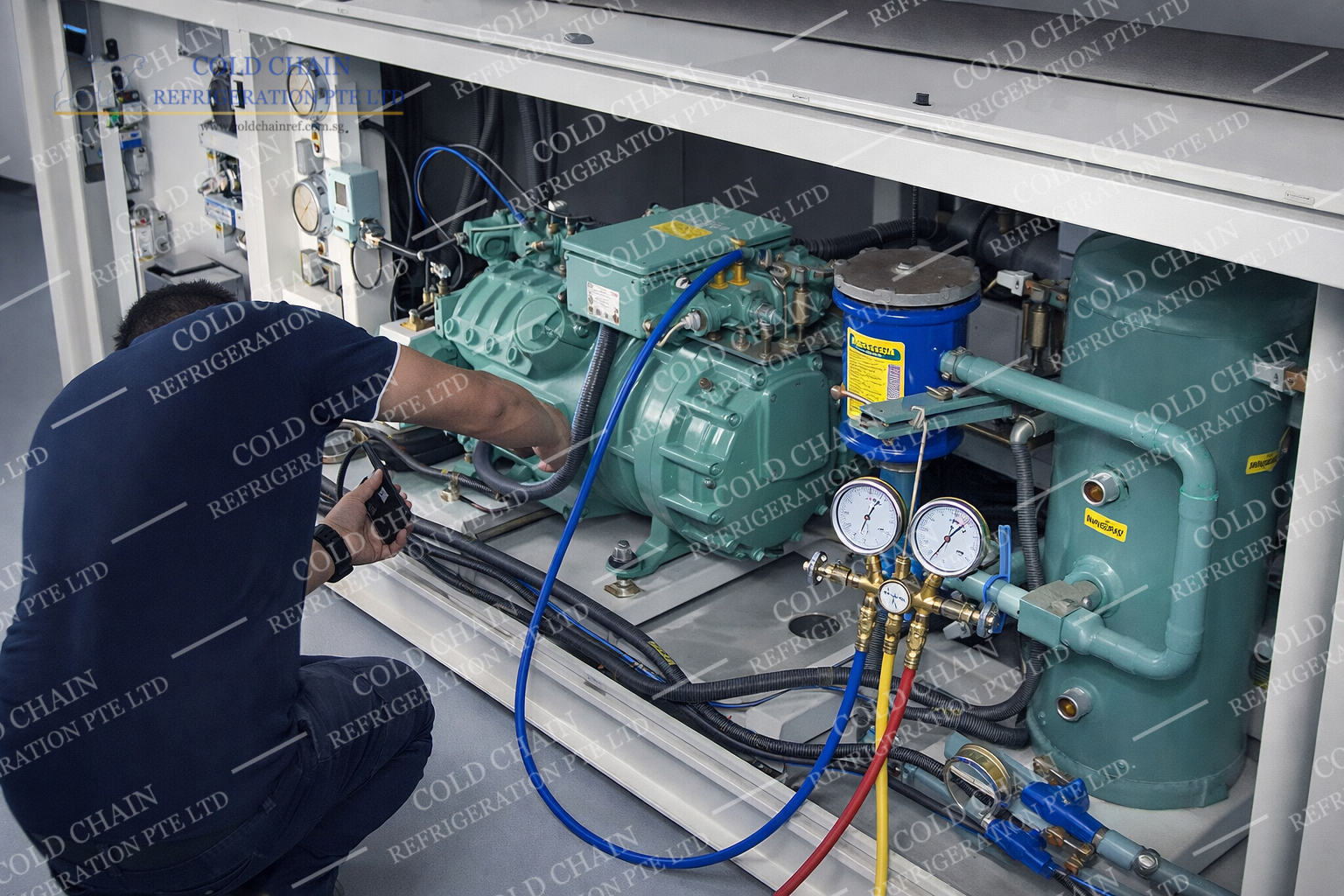
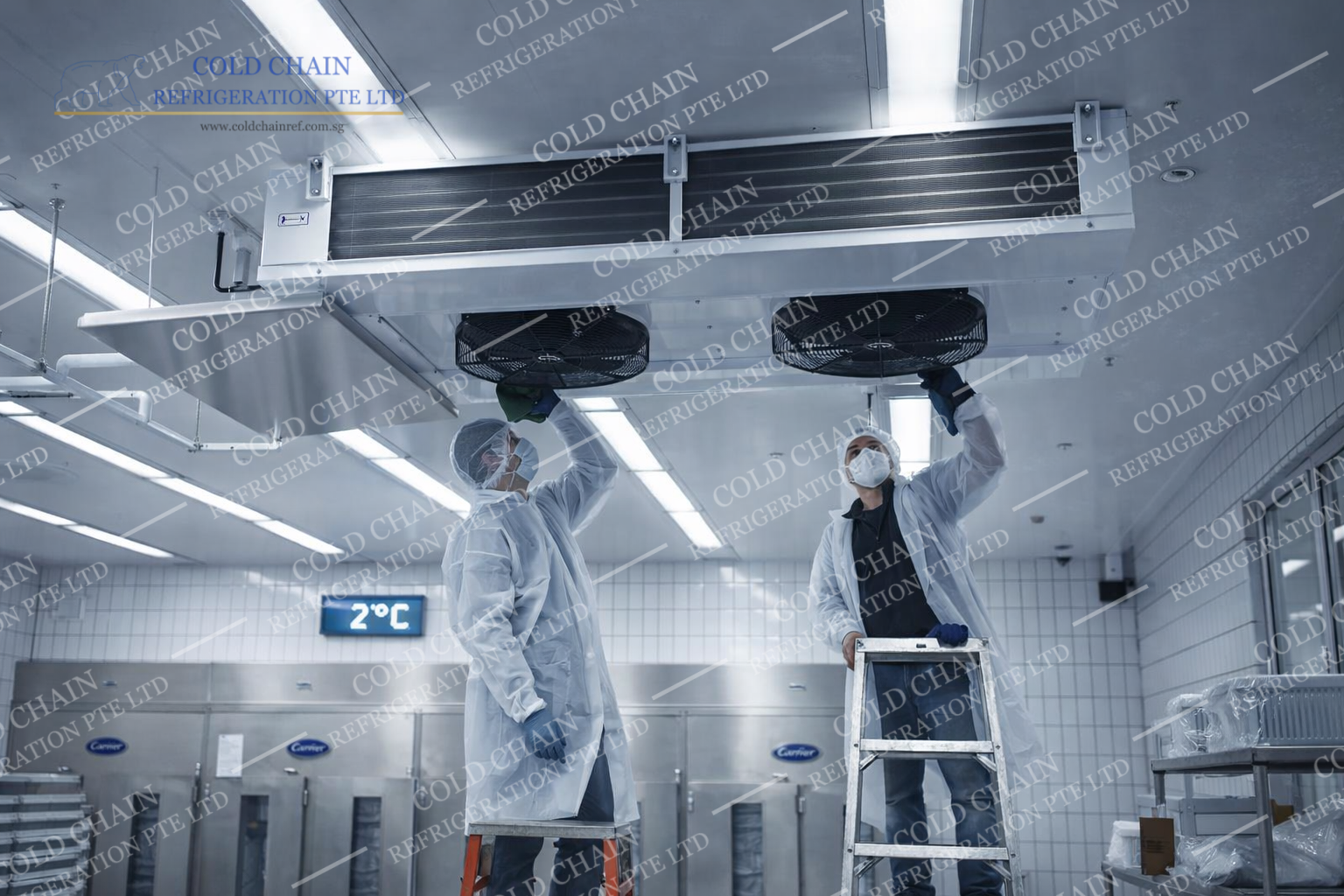
Regular maintenance of refrigeration units, including cleaning coils and checking seals, is critical for both walk-in chillers and freezers. However, freezer rooms often require more frequent servicing due to their demanding operational conditions.
Proper maintenance prolongs the life of the system, ensures energy efficiency, and prevents costly downtime.
Conclusion
Choosing between a walk-in chiller and a freezer depends on your business needs, the nature of your products, and your storage duration requirements. Walk-in chillers provide reliable refrigeration for fresh goods, while walk-in freezers deliver long-term preservation through freezing. Investing in the right cold storage solution can enhance product quality, reduce waste, and improve operational efficiency.
For tailored advice and expert walk-in chiller or freezer room installation, Cold Chain Refrigeration offers comprehensive solutions backed by industry expertise and quality service. Our team ensures your cold storage system is designed to meet your specific needs with optimal performance and energy efficiency.
For more information, get in touch with us today!