




The weeks leading up to Chinese New Year are some of the busiest in the calendar for businesses handling food, pharmaceuticals, and temperature-sensitive goods. Seasonal demand surges, operating hours shorten, and supply chains face pressure from every direction. For cold chain operators, this festive period is less about celebration and more about resilience, planning, and precision.
When a single temperature fluctuation can compromise product quality or safety, Chinese New Year becomes a stress test for the entire cold chain ecosystem. Understanding the key challenges ahead of time is the first step to protecting both inventory and reputation.
A Seasonal Surge in Demand
Chinese New Year drives a sharp increase in consumption across many sectors. Reunion dinners, festive hampers, seafood, premium meats, and frozen desserts all see significant spikes in volume. This surge places immediate strain on storage capacity, transportation schedules, and manpower.
Warehouses that operate comfortably during normal months can suddenly face space constraints. Transport fleets must move more goods in shorter timeframes, often competing with general logistics providers for drivers and vehicle availability. Without proper planning, bottlenecks quickly form at loading bays, cold rooms, and distribution hubs.
For many operators, the challenge is not just handling more volume, but doing so without compromising temperature stability or handling protocols.
Manpower Shortages and Reduced Operating Hours
One of the defining features of Chinese New Year is workforce disruption. Many employees take extended leave to travel or spend time with family, while others may be unavailable due to public holidays and reduced shifts.
In cold chain logistics, where operations rely on trained personnel to monitor temperatures, handle sensitive products, and respond to alerts, manpower shortages can quickly become a risk factor.
Reduced staffing affects:
- Monitoring of storage and transport conditions
- Maintenance response times
- Accuracy in picking and packing
- Handover between shifts
With fewer hands on deck, even minor issues can escalate if not detected early.
Border Delays and Supply Chain Disruptions
Chinese New Year does not only impact local operations. It affects regional and international supply chains as well. Factories, ports, and customs offices across Asia often operate on reduced schedules or close for several days.
This leads to:
- Delayed shipments from overseas suppliers
- Congestion at ports before and after the holiday period
- Irregular delivery windows for inbound and outbound goods
For temperature-sensitive cargo, extended transit times increase the risk of temperature excursions. Products that normally move through the supply chain smoothly may spend longer in holding areas or on trucks, where monitoring becomes even more critical.
Increased Risk of Equipment Strain and Failure
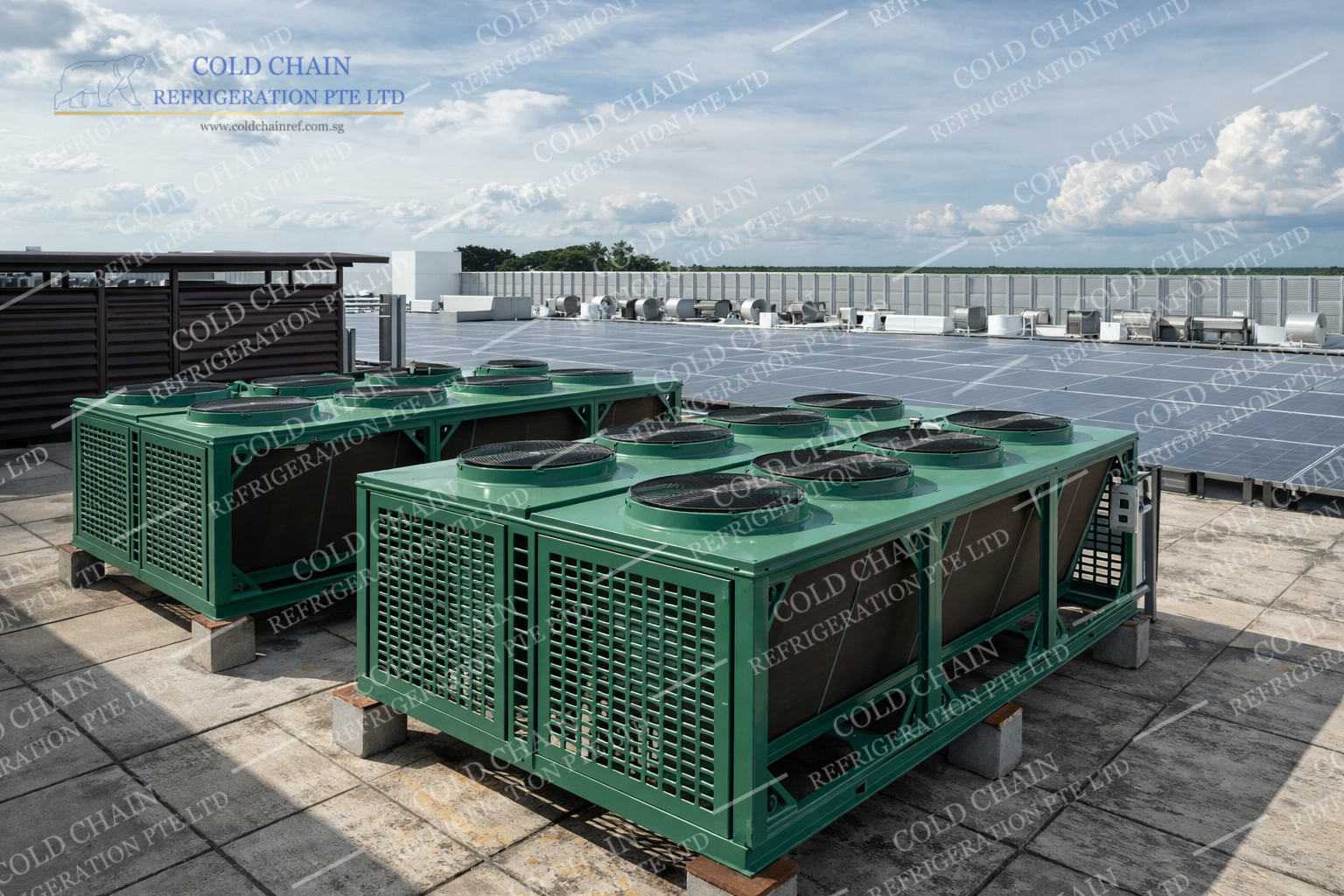
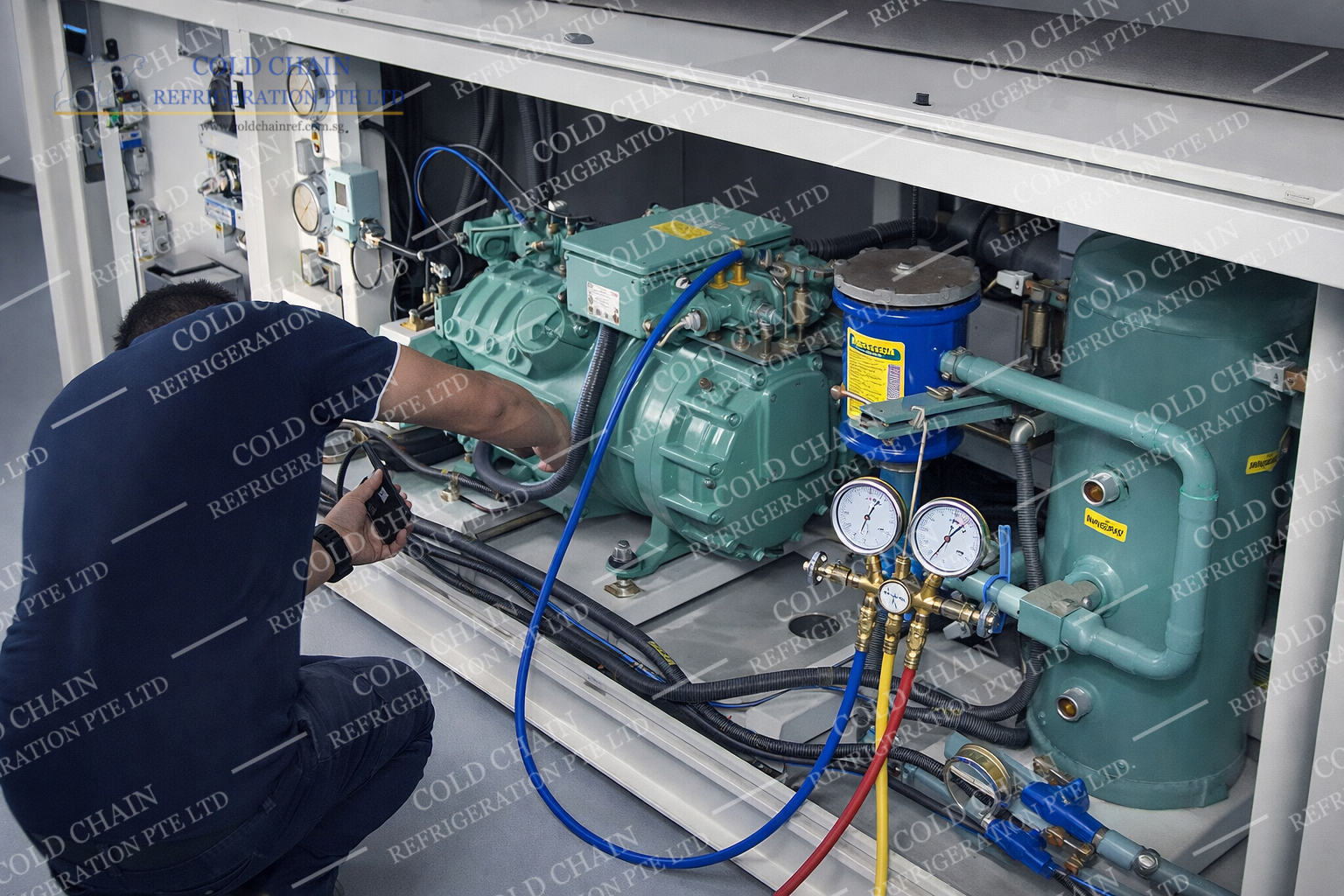
Higher throughput and longer operating hours place additional strain on refrigeration systems. Compressors, evaporators, fans, control systems, condensers, and cold room door heaters are pushed harder than usual during this peak period.
If systems are already operating near capacity, the risk of breakdown increases. A single equipment failure during Chinese New Year can have severe consequences, especially when maintenance teams and spare parts suppliers are operating with limited staff.
This is where facilities with well-maintained infrastructure and sufficient redundancy gain a clear advantage.
Managing Space and Temperature Zoning
During festive peaks, storage layouts often change. Products are stacked higher, aisles become narrower, and turnover rates increase. These changes can disrupt airflow patterns and affect temperature distribution within storage areas.
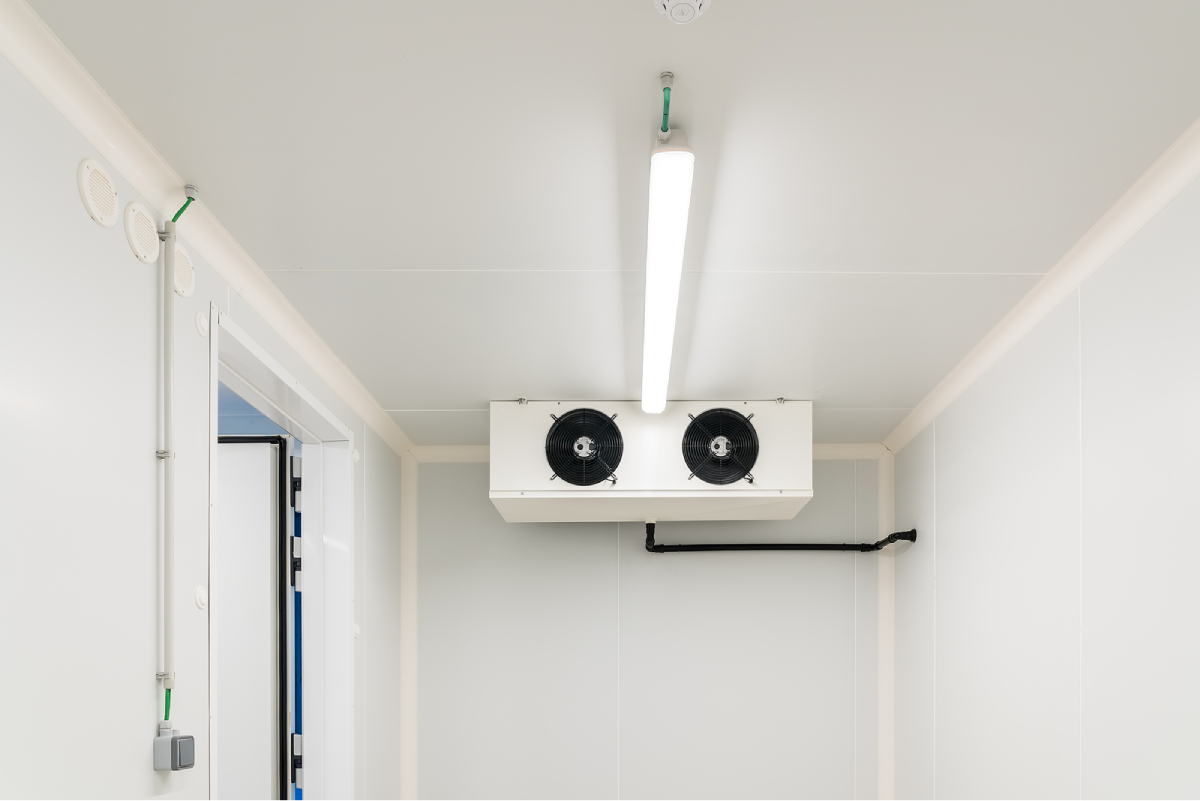
For operators managing an industrial cold room, maintaining consistent temperature zoning becomes more challenging when:
- Storage density increases
- Product mix changes frequently
- Doors open more often due to higher picking activity
Without careful monitoring, warm spots can develop, putting sensitive products at risk even if the overall system appears to be functioning normally.
Coordination Across Multiple Stakeholders
Cold chain logistics during Chinese New Year requires close coordination between many parties. Suppliers, transporters, warehouse operators, retailers, and end customers must all align their schedules and expectations.
Common coordination challenges include:
- Last-minute changes in delivery schedules
- Incomplete documentation due to shortened office hours
- Misalignment between transport and warehouse availability
- Limited escalation channels during public holidays
When communication breaks down, delays and temperature risks quickly follow.
Heightened Compliance and Food Safety Risks
Festive periods attract greater regulatory scrutiny, particularly in the food and pharmaceutical sectors. Any lapse in temperature control, traceability, or documentation can result in product recalls, fines, or reputational damage.
At the same time, high workload and manpower shortages increase the risk of human error. A missed temperature log, an improperly sealed pallet, or a delayed corrective action can have serious consequences.
Maintaining discipline in processes is just as important as maintaining equipment performance.
The Importance of Pre-Festive Planning
Many of these challenges can be mitigated with thorough planning weeks before the festive rush begins.
Effective preparation includes:
- Conducting preventive maintenance on all refrigeration systems
- Testing alarm systems and backup power supplies
- Reviewing capacity and space planning scenarios
- Securing additional manpower or standby support
- Aligning delivery and collection schedules early
- Stocking critical spare parts in advance
Facilities that invest time in preparation reduce the likelihood of costly disruptions during the holiday period.
Leveraging Technology and Monitoring Systems
Modern cold chain operations increasingly rely on automation and real-time monitoring to maintain control during peak seasons.
Key technologies include:
- Continuous temperature monitoring with alerts
- Remote system diagnostics and control
- Automated data logging for compliance
- Predictive maintenance tools
These systems provide early warnings and reduce reliance on manual checks, which is especially valuable when staffing levels are lower than usual.
Building Long-Term Resilience Beyond the Festive Period
Chinese New Year may be a seasonal event, but the lessons it reveals are relevant all year round. The ability to handle peak demand, workforce disruptions, and equipment stress reflects the overall strength of a cold chain operation.
Operators that use the festive period as a learning opportunity often emerge with:
- More robust maintenance programmes
- Better contingency planning
- Improved communication protocols
- Stronger partnerships with service providers
Over time, this translates into greater reliability and lower total operating risk.
Conclusion: Partnering for Reliable Cold Chain Performance
Chinese New Year presents a unique combination of high demand, limited manpower, and heightened operational risk. For businesses managing temperature-sensitive goods, success during this period depends on preparation, system reliability, and the right technical support.
For companies looking to strengthen their cold storage performance and safeguard operations during peak seasons, Cold Chain Refrigeration offers specialised expertise in cold room design, optimisation, and maintenance. By working with an experienced partner, you can build a more resilient cold chain that protects product quality, ensures compliance, and supports your business not just during Chinese New Year, but throughout the year.