



Peak seasons like Christmas and Chinese New Year have a way of sneaking up on businesses. One moment, your walk-in cold room is running smoothly. The next, you are juggling overflowing inventory, rising spoilage risks, and staff scrambling to make space that simply does not exist. Whether it is festive demand tied to Chinese New Year banquets, Christmas retail spikes, harvest cycles, promotional spikes, or sudden shifts in customer behaviour, seasonal surges test the true limits of your cold room capacity.
If your refrigeration setup is only designed for average demand, peak periods can expose hidden weaknesses fast. The question is not whether seasonal surges will happen, but whether your cold room is ready when they do.
Why Seasonal Demand Surges Put Cold Storage to the Test
Seasonal demand rarely increases in a neat, predictable way. In the lead-up to major occasions such as Chinese New Year, Christmas, or year-end festive periods, orders often arrive in waves, deliveries cluster closer together, and inventory turnover speeds up. This places added pressure on storage space, airflow, temperature stability, and even staff movement inside the cold room.
For food manufacturers, retailers, caterers, and logistics operators, cold storage is not just about keeping products chilled. It is about maintaining safety, quality, and compliance under stress. A cold room that performs well during normal operations may struggle once shelves are fully loaded and doors are opening more frequently.
Overcrowding is one of the most common issues during peak periods. When products are stacked too closely, airflow is restricted. This can lead to uneven temperatures, condensation, and increased energy consumption as the system works harder to compensate.
Signs Your Cold Room Capacity May Not Be Enough
Many businesses only realise their cold room is undersized when problems start appearing. Some warning signs are subtle, while others are impossible to ignore.
Temperature fluctuations are often the first red flag. If your system struggles to maintain consistent temperatures during busy periods, it may be operating beyond its intended capacity. This can increase the risk of spoilage, especially for sensitive products like fresh produce, dairy, seafood, or pharmaceuticals.
Another sign is frequent stock reshuffling. When staff constantly move items around just to create space, efficiency drops and the chance of handling errors rises. Congested layouts also increase the risk of damaged packaging and workplace accidents.
Rising energy bills can also point to capacity issues. An overloaded cold room forces compressors to run longer cycles, driving up electricity usage and wear on equipment.
Understanding Capacity Beyond Floor Space
Cold room capacity is not just about how much you can physically fit inside. It is also about how well the system can support that load while maintaining stable conditions.
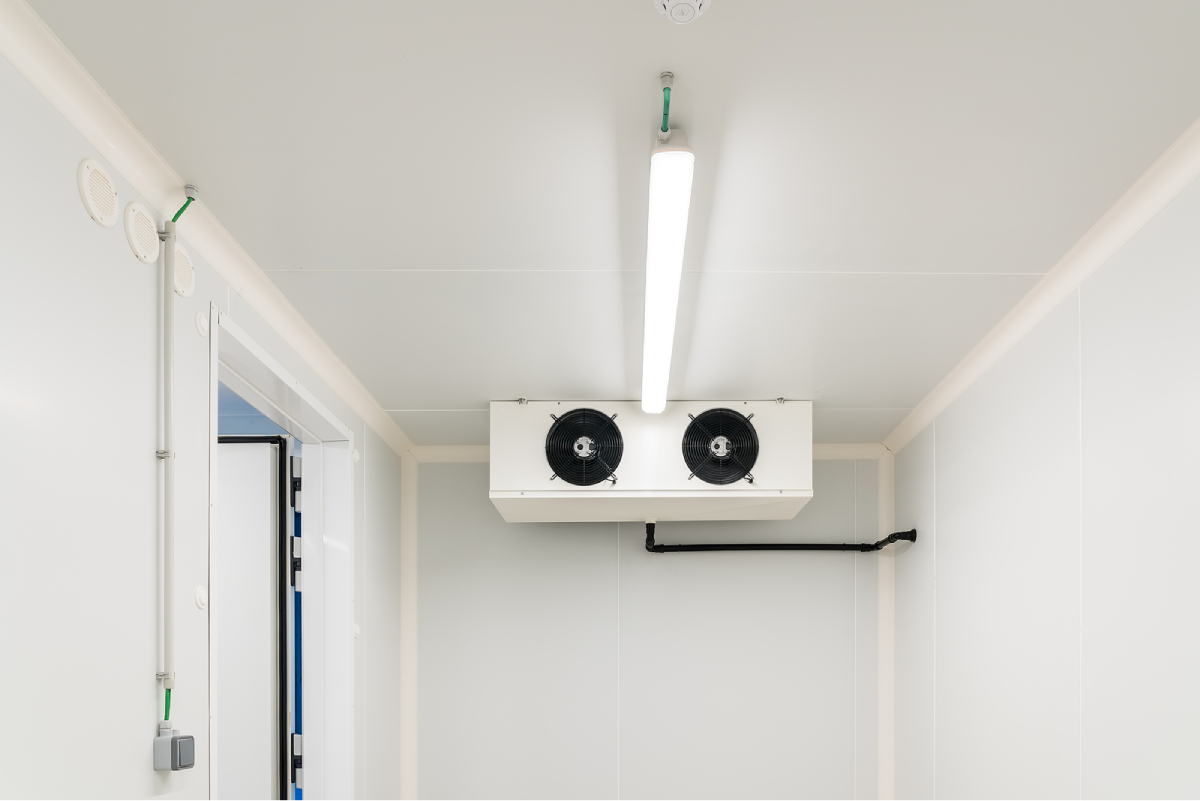
Air circulation plays a crucial role. Even a spacious walk-in cold room can underperform if shelving is poorly arranged or stock blocks evaporators and fans. Proper spacing allows cold air to circulate evenly, ensuring every item stays within safe temperature ranges.
Door usage is another factor often overlooked. During peak seasons such as festive catering periods or holiday retail surges, doors are opened more frequently and for longer periods. Each opening allows warm air to enter, increasing humidity and forcing the system to work harder. If your cold room was not designed with high traffic in mind, capacity issues become more pronounced.
The Cost of Underestimating Seasonal Peaks
Failing to prepare for seasonal surges can be costly. Spoiled goods, rejected shipments, and compliance breaches all affect your bottom line. For food businesses, even minor temperature deviations can lead to serious food safety concerns.
There is also the reputational risk. Delayed deliveries or inconsistent product quality during peak periods can erode customer trust, especially when demand is at its highest.
On the operational side, staff fatigue increases when systems are pushed beyond their limits. More manual handling, tighter spaces, and rushed workflows contribute to errors and injuries.
Planning for Peak Demand Without Overbuilding
One common concern is investing in capacity that sits unused during off-peak months. The goal is not to overbuild, but to build smart.
Modular cold room designs allow businesses to scale capacity as needed. Adjustable shelving, flexible layouts, and zoning within the cold room can help accommodate fluctuating volumes without a full system overhaul.
Another approach is reviewing how inventory flows through your facility. Faster stock rotation and better demand forecasting can reduce the amount of time products spend in cold storage, easing capacity pressure during surges.
Optimising Your Existing Cold Room
Before expanding, it is worth assessing whether your current cold room is being used to its full potential. Simple changes can sometimes free up more usable capacity than expected.
Improving shelving design can make a significant difference. Vertical space is often underutilised, and well-planned racking systems can increase storage without compromising airflow.
Upgrading door seals and insulation helps maintain temperature stability during high traffic periods. Faster door systems, such as strip curtains or automatic doors, can also reduce warm air infiltration.
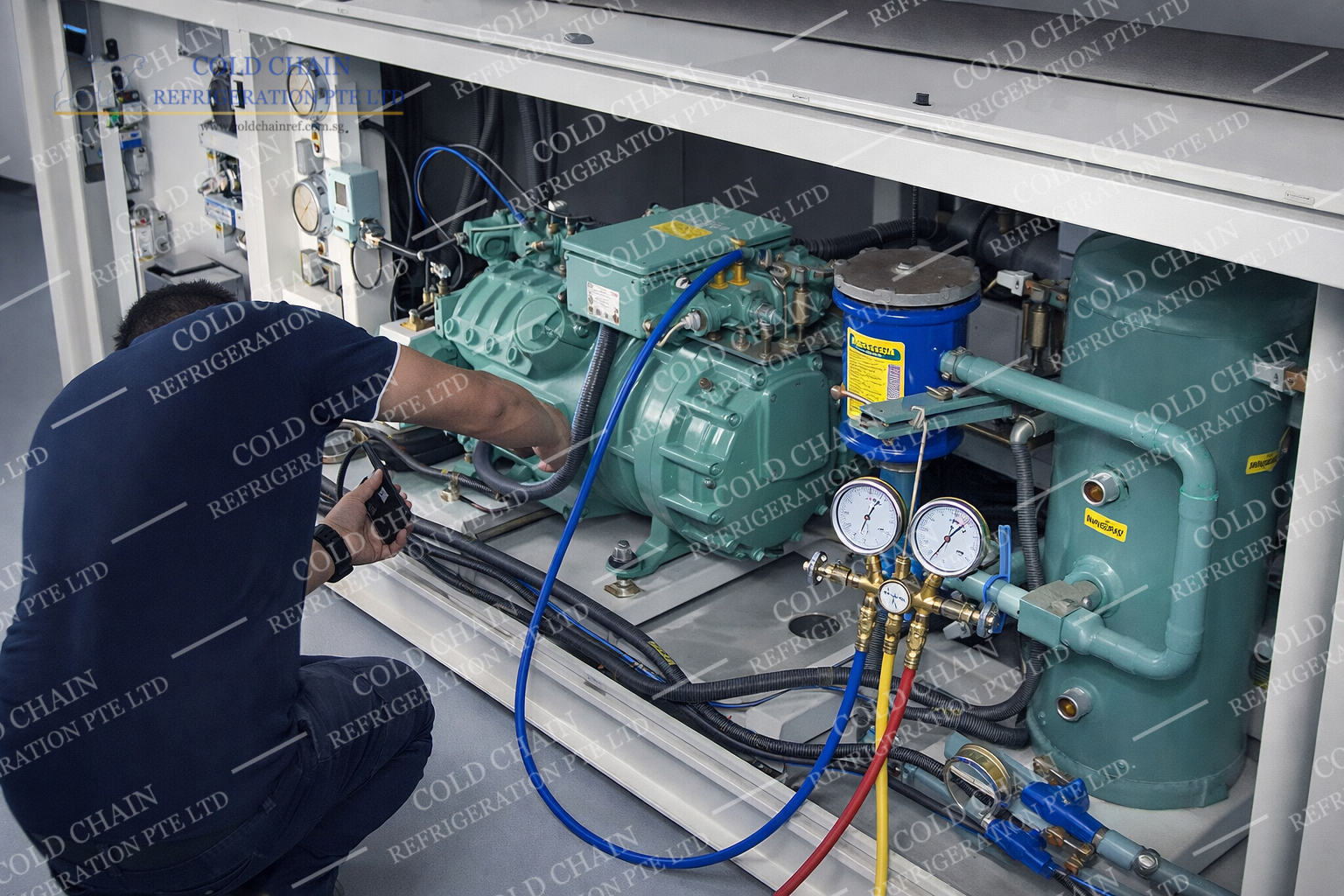
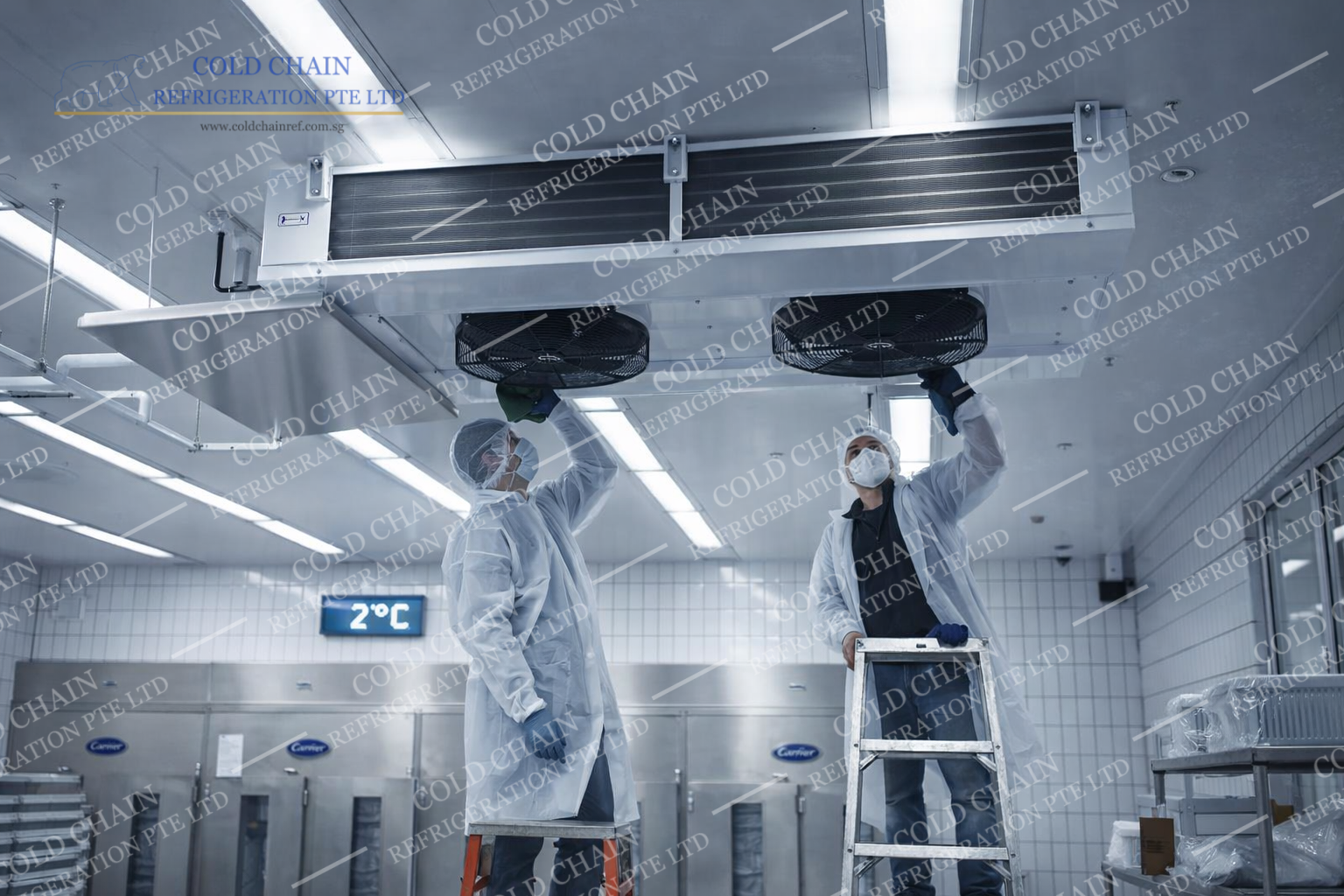
Regular maintenance is essential, especially before peak seasons. Cleaning coils, checking fans, and calibrating controls ensure the system performs efficiently when demand is highest.
When Expansion Becomes the Right Move
There comes a point when optimisation is no longer enough. If seasonal surges are growing year after year, or if your product range is expanding, increasing cold room capacity may be the most cost-effective long-term solution.
An experienced refrigeration partner can help assess not just your current needs, but future growth as well. This includes evaluating load calculations, usage patterns, and energy efficiency to design a system that supports peak demand without unnecessary waste.
Well-planned expansions also consider workflow. The goal is to improve efficiency, not just add space. Thoughtful layouts reduce congestion, improve picking speed, and create a safer working environment.
Making Seasonal Readiness Part of Your Strategy
Seasonal demand surges should not feel like emergencies. With proper planning, they become manageable phases of your business cycle.
By understanding your true cold room capacity, monitoring performance during peak periods, and making targeted improvements, you can protect product quality and maintain smooth operations even during the busiest times.
To better prepare for seasonal demand surges, businesses can also consider contacting Cold Chain Refrigeration for proactive servicing, system checks, or capacity assessments ahead of peak periods, helping to identify potential issues early and ensure systems are operating at their best.
Cold storage is a critical backbone of many industries. Treating it as a strategic asset rather than a fixed utility allows your business to respond confidently to changing demand.
Conclusion: Prepare Your Cold Room for What’s Next
Seasonal peaks are inevitable, but cold storage chaos does not have to be. Taking a proactive approach to capacity planning helps you avoid costly disruptions and keeps your operations running smoothly when demand is at its highest.
If you are unsure whether your current cold room setup can handle upcoming surges, it may be time for a professional assessment. Cold Chain Refrigeration works closely with businesses to design, optimise, and upgrade cold room solutions that align with real-world workflows and seasonal demands. Speak with our team to explore practical, tailored options that support your growth today and prepare you for what lies ahead.