


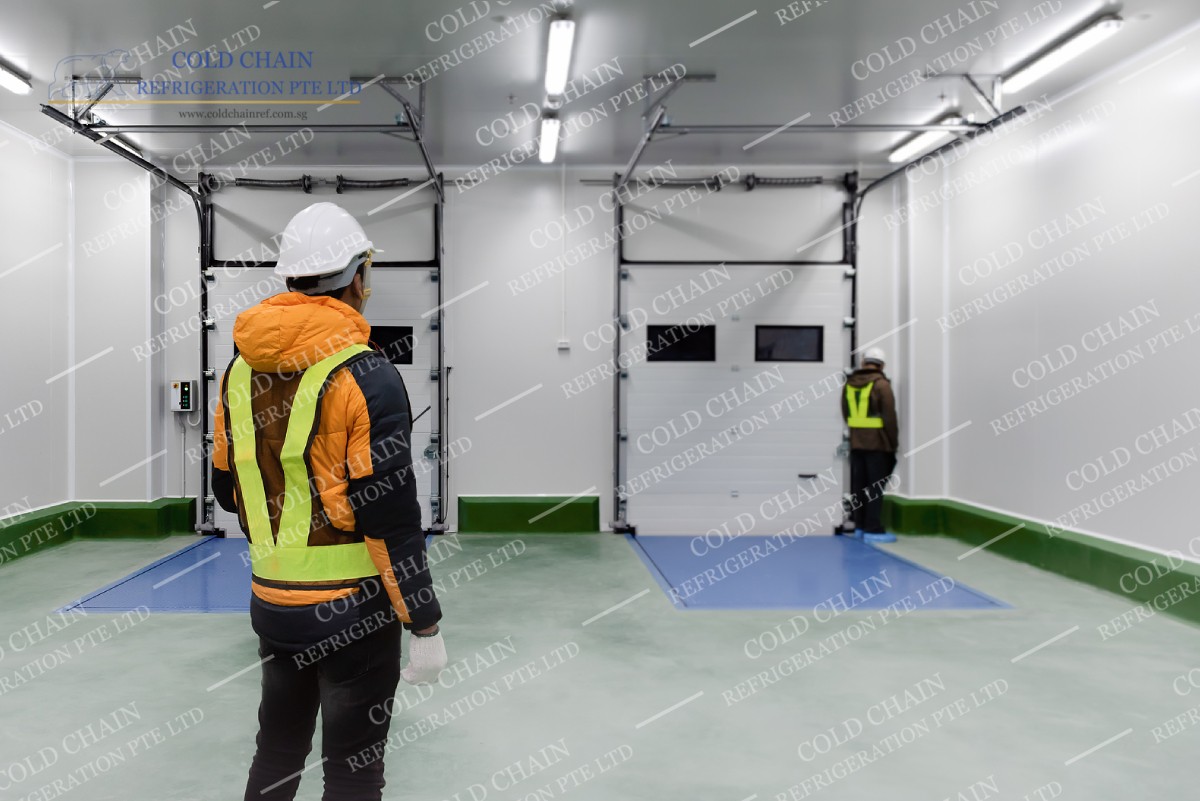
For businesses that depend on reliable cold storage, a malfunctioning refrigeration system is never a minor inconvenience. Whether you are running a hotel kitchen, a pharmaceutical warehouse, a supermarket, or a food manufacturing facility, your refrigeration equipment sits at the very heart of your operations. The moment it begins to falter, the risks compound quickly: spoiled stock, regulatory non-compliance, financial losses, and reputational damage that can take far longer to recover from than the fault itself.
The challenge many operators face is knowing when a problem warrants calling a professional technician and when it might be something their own team can address. This article walks you through the warning signs that demand immediate attention, the situations where it is simply not worth waiting, and why a proactive approach to maintenance is always the smarter investment.
Understanding What Is at Stake
Singapore imports over 90% of its food supply, meaning the integrity of cold chain infrastructure is not just a business concern but a public health one. According to the Singapore Food Agency (SFA), there were approximately 22.8 foodborne illness cases per 100,000 people in 2024, with more than half involving catered food. Many such incidents can be traced back to systemic failures in temperature control, underlining how central refrigeration management is to food safety compliance.
The stakes are equally high in the pharmaceutical sector. The Health Sciences Authority (HSA) mandates Good Distribution Practice (GDP) compliance for all temperature-sensitive medical products, requiring continuous temperature monitoring and validated cold storage environments. A brief temperature excursion in a pharmaceutical cold room can render a batch of vaccines or biologics entirely unusable. This is the broader context in which commercial refrigeration repair decisions must be made — it is about protecting your stock, your licence, and your customers.
Signs You Should Call a Technician Immediately
There are certain warning signs that should prompt an immediate call to a qualified refrigeration technician, without hesitation or delay.
1. Temperatures are inconsistent or trending upward
If your monitoring system shows the internal temperature of a cold room or chiller drifting above its set point, even by a degree or two, this is a red flag.
The SFA requires chilled food to be stored at or below 4°C, while pharmaceutical cold rooms typically need to maintain temperatures between 2°C and 8°C. Inconsistent temperatures may indicate a failing compressor, a refrigerant leak, or a blocked evaporator coil, none of which should be diagnosed without technical expertise.
2. You can hear unusual noises from the unit
Refrigeration equipment, when functioning properly, operates with a low, steady hum. Grinding, banging, rattling, or high-pitched squealing noises are almost always indicative of a mechanical fault, whether in the compressor, the fan motor, or the condenser unit. Continuing to operate equipment in this condition risks accelerating damage and substantially increasing repair costs.
3. There is visible ice build-up on the evaporator coils
Some frost is expected in freezer environments, but excessive ice buildup on the evaporator coils indicates a malfunctioning defrost cycle or a problem with the door seals that allow warm, moist air to enter. Left unaddressed, the ice build-up will restrict airflow, causing the system to work harder and eventually fail.
4. The system is running continuously without cycling off
A unit that never switches off is working far harder than it should, usually pointing to an insufficient refrigerant charge, a failing compressor, or a thermostat fault. This results in significantly higher energy bills and a shorter equipment lifespan.
5. There is water pooling around the unit
While minor condensation is normal in humid Singapore conditions, puddles of water forming around a chiller or cold room may indicate a blocked drain line or a failing door seal. Left unchecked, this creates both a safety hazard and potential water damage to the surrounding area.
If you are already doing regular checks of your equipment, our guide on daily habits to keep your walk-in cooler running smoothly offers practical advice for building a consistent maintenance routine.
What Should Not Be a DIY Job
Commercial refrigeration systems are complex, heavily regulated, and in many cases involve refrigerants that are tightly controlled under Singapore’s environmental regulations. Attempting to diagnose or repair faults without the proper certifications and tools can result in further damage, warranty invalidation, and potential regulatory penalties.
The following situations require a certified technician without exception:
- any fault involving the refrigerant circuit;
- electrical faults within the unit;
- compressor failure;
- any malfunction in a pharmaceutical cold room where GDP compliance must be maintained;
- and faults that arise during periods of high-volume operation when downtime would be catastrophic.
SFA investigations into foodborne outbreaks frequently reveal that inadequate temperature control is a contributing factor. In the event of an inspection, a documented history of professional maintenance and timely repairs demonstrates the due diligence regulators expect.
The Case for Preventive Maintenance Contracts
Many businesses only think about refrigeration servicing when something has already gone wrong. This reactive approach is far more costly in the long run than a structured preventive maintenance programme. Scheduled servicing typically includes checking refrigerant levels, cleaning condenser coils, inspecting door seals, testing electrical components, and calibrating temperature sensors. For operations subject to SFA or HSA oversight, documented service records are also a significant advantage during audits.
The cost comparison is straightforward. A preventive maintenance visit is a fraction of the price of an emergency repair, a failed compressor replacement, or the write-off of spoiled stock. For a restaurant, hotel kitchen, or supermarket, even a few hours of refrigeration failure during peak service can result in losses that far exceed the cost of an annual maintenance contract.
Act Before It Breaks Down
Recognising the warning signs of a failing system early, knowing which issues demand immediate professional attention, and investing in regular preventive maintenance all protect your stock, your compliance obligations, and your bottom line. The cost of calling a technician too late is almost always greater than the cost of calling one at the right time.
If your refrigeration system is showing any of the signs outlined above, or if you are simply overdue for a scheduled service, reach out to Cold Chain Refrigeration today. Our team of experienced technicians understands the demands of commercial cold storage across the food and beverage, pharmaceutical, and hospitality industries and can help you keep your operations running safely and in compliance.
Energy Efficiency and Sustainability Considerations
Cold storage systems can consume significant amounts of energy. As businesses look to reduce costs and meet sustainability goals, energy efficiency is becoming increasingly important.
Some ways to improve efficiency include:
- Using energy-efficient refrigeration systems
- Installing LED lighting and motion sensors
- Minimising door opening times
- Regularly maintaining equipment to ensure optimal performance
Sustainable practices are not just good for the environment. They also help lower operational costs and improve overall system reliability.
Preparing for Inspections and Audits
Regulatory inspections are a normal part of operating in Singapore. Being prepared can make the process smoother and less stressful.
Before an audit:
- Review your temperature logs and records
- Ensure all equipment is functioning properly
- Check that cleaning and maintenance schedules are up to date
A well-maintained system with proper documentation demonstrates your commitment to compliance and reduces the risk of penalties.
Common Mistakes Businesses Should Avoid
Even experienced operators can make mistakes when it comes to cold storage. Some of the most common issues include:
- Overloading storage spaces, which restricts airflow
- Ignoring minor temperature fluctuations until they become serious
- Inadequate staff training
- Poor maintenance practices
- Lack of proper documentation
Avoiding these pitfalls can significantly improve your operational efficiency and compliance standing.
Looking Ahead: The Future of Cold Storage
As technology continues to evolve, the future of cold storage is becoming more advanced and data-driven. Smart monitoring systems, automation, and IoT-enabled solutions are transforming how businesses manage their cold rooms.
Real-time tracking, predictive maintenance, and remote monitoring are helping businesses respond faster to potential issues and optimise performance.
Staying ahead of these trends can give your business a competitive edge while ensuring you remain compliant with evolving regulations.
Conclusion: Build a Compliant and Reliable Cold Storage System
Cold storage is more than just refrigeration. It is a critical part of your business operations that directly impacts product quality, safety, and compliance.
Understanding Singapore’s guidelines, investing in the right infrastructure, and maintaining strong operational practices can help you avoid costly mistakes and run your operations with confidence.
If you are looking to upgrade your system or ensure full compliance, Cold Chain Refrigeration offers tailored solutions designed for your specific needs. From system design to installation and maintenance, our expertise helps you build a cold storage setup that is efficient, reliable, and ready for the demands of modern business.
For more information, get in touch with us today.