



Walk past a cut flower auction or a rooftop vegetable farm in Singapore today and you will notice something that would have seemed unlikely a decade ago: local growers competing directly with imported produce on freshness. Behind that shift sits an unglamorous piece of infrastructure that rarely gets discussed outside the industry itself, the cold room.
Horticulture and floriculture operators, from orchid exporters to urban vegetable farms, face a storage problem that differs from a typical F&B business. Produce is often harvested in irregular batches, flowers bruise easily, and quality can decline within hours instead of days. Orchid exporters preparing for the daily flower auction and urban vegetable farms supplying supermarkets directly are increasingly learning this the hard way, often after a shipment arrives looking noticeably worse than it left the farm. Getting the storage setup right has become a genuine competitive question, not a back-of-house afterthought.
Why Growers Are Investing in Proper Cold Storage
Singapore’s agri-food sector has grown steadily as government support and land allocation for farming expand, and growers who once relied on same-day sale or basic chillers are increasingly investing in proper cold storage to extend their selling window. This shift is not only about volume. Buyers, whether hotels, florists, or supermarkets, now expect consistent quality across a full order, and a single warm batch can damage a grower’s reputation as quickly as a poor harvest can. Buyers rarely give a second chance after receiving a below-standard batch, particularly when a competing supplier can offer the same freshness consistently.
For many growers, the tipping point comes after a spoiled shipment or a lost contract. That is often when cold storage moves from a nice-to-have to a basic requirement for staying in business.
What Makes Horticulture Storage Different From a Standard Chiller
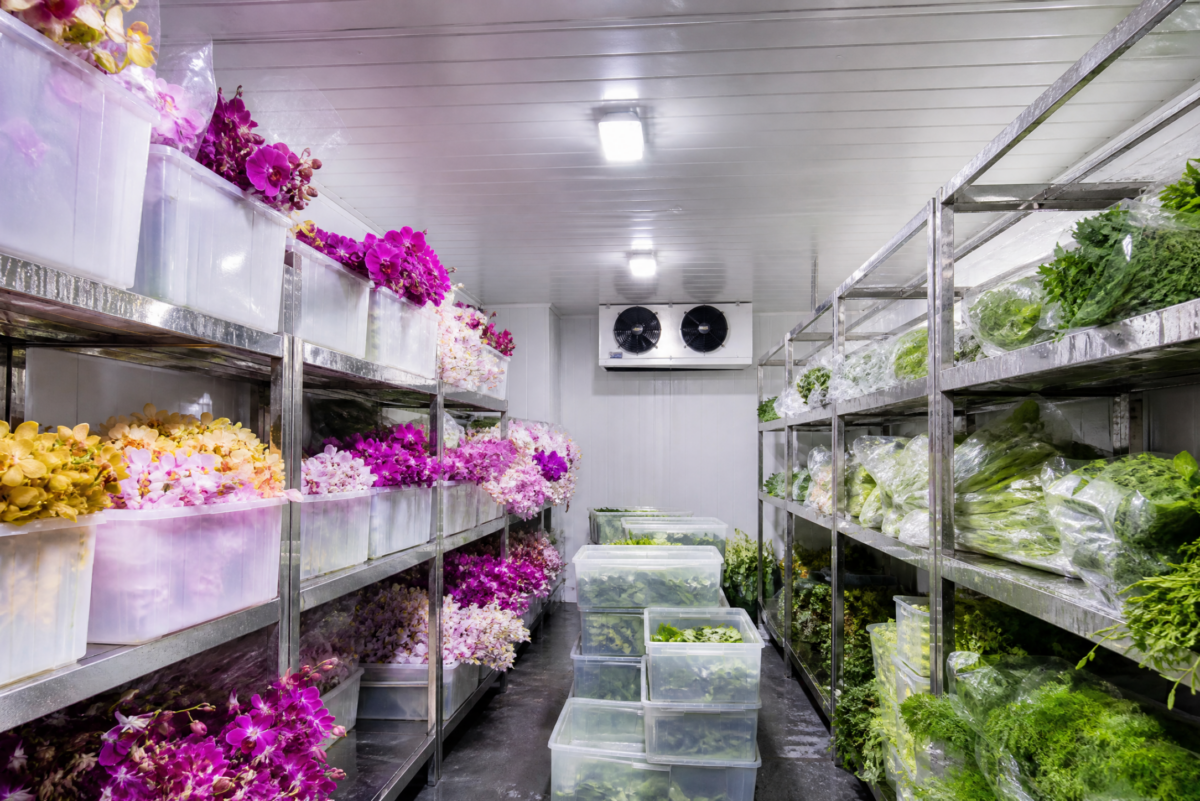
Unlike a typical F&B walk-in chiller, horticulture cold storage often needs to accommodate mixed humidity requirements within the same space. Cut flowers generally prefer high humidity to prevent wilting, while some vegetables and herbs need drier conditions to avoid mould forming on delicate leaves. Produce also arrives in irregular volumes tied to harvest cycles or auction schedules, unlike the steady daily deliveries a restaurant kitchen might see, so the storage system needs to flex with supply instead of assuming a constant load. Temperature swings between a quiet week and a harvest peak can also be sharper than in a typical F&B setting, which makes flexible capacity, not just a fixed room size, part of the planning conversation from day one.
Choosing a Custom Cold Room Built Around Your Produce
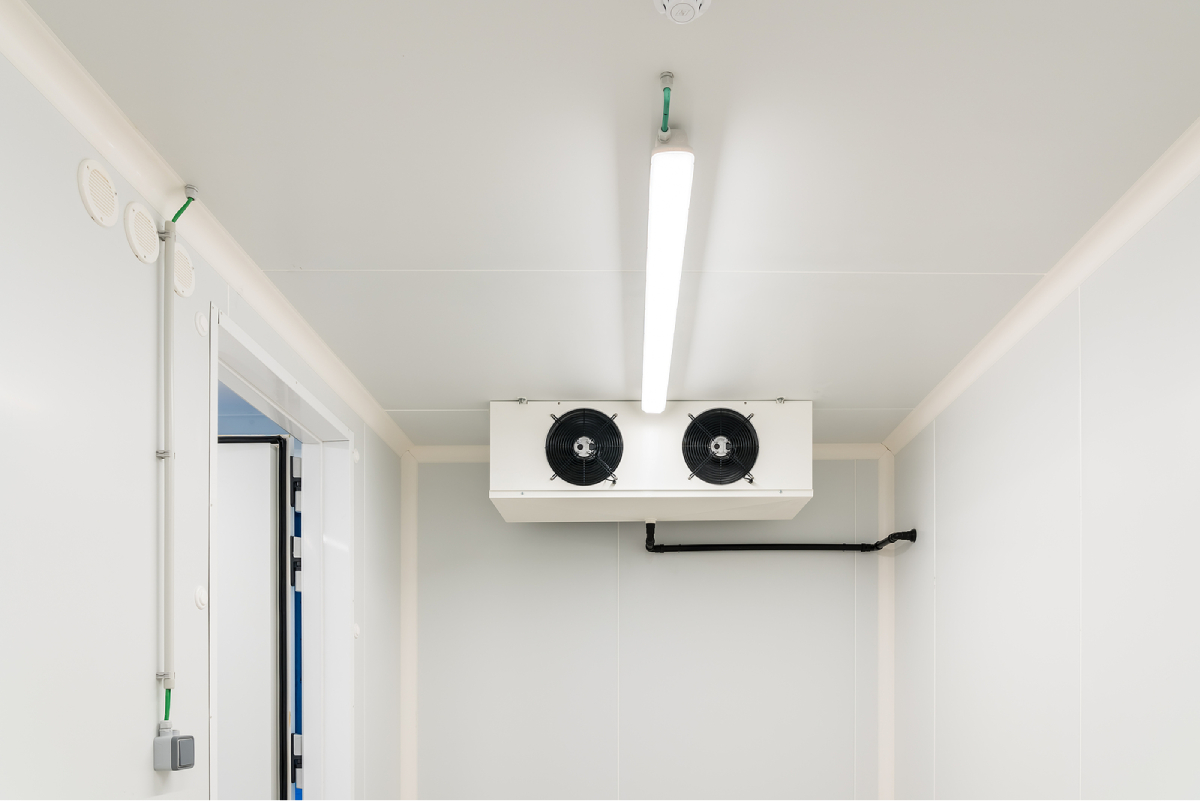
This is where a custom cold room, designed around an operation’s actual produce mix instead of a generic chiller, tends to earn its keep. A grower handling orchids and leafy greens in the same facility may need separate zones with different temperature and humidity settings, along with shelving that allows air to move freely around delicate stems and crates. Shelving depth and spacing often need adjusting too, since flowers and leafy vegetables bruise far more easily than the boxed or bagged goods a standard chiller is built to hold.
Door placement and access deserve more attention than growers often give them at the planning stage. A cold room positioned near a loading bay, with doors sized for pallets or delivery trolleys instead of pedestrian traffic, cuts down the time produce spends exposed to ambient heat during handling. Every extra minute in Singapore’s humidity adds stress to stock that is already sensitive.
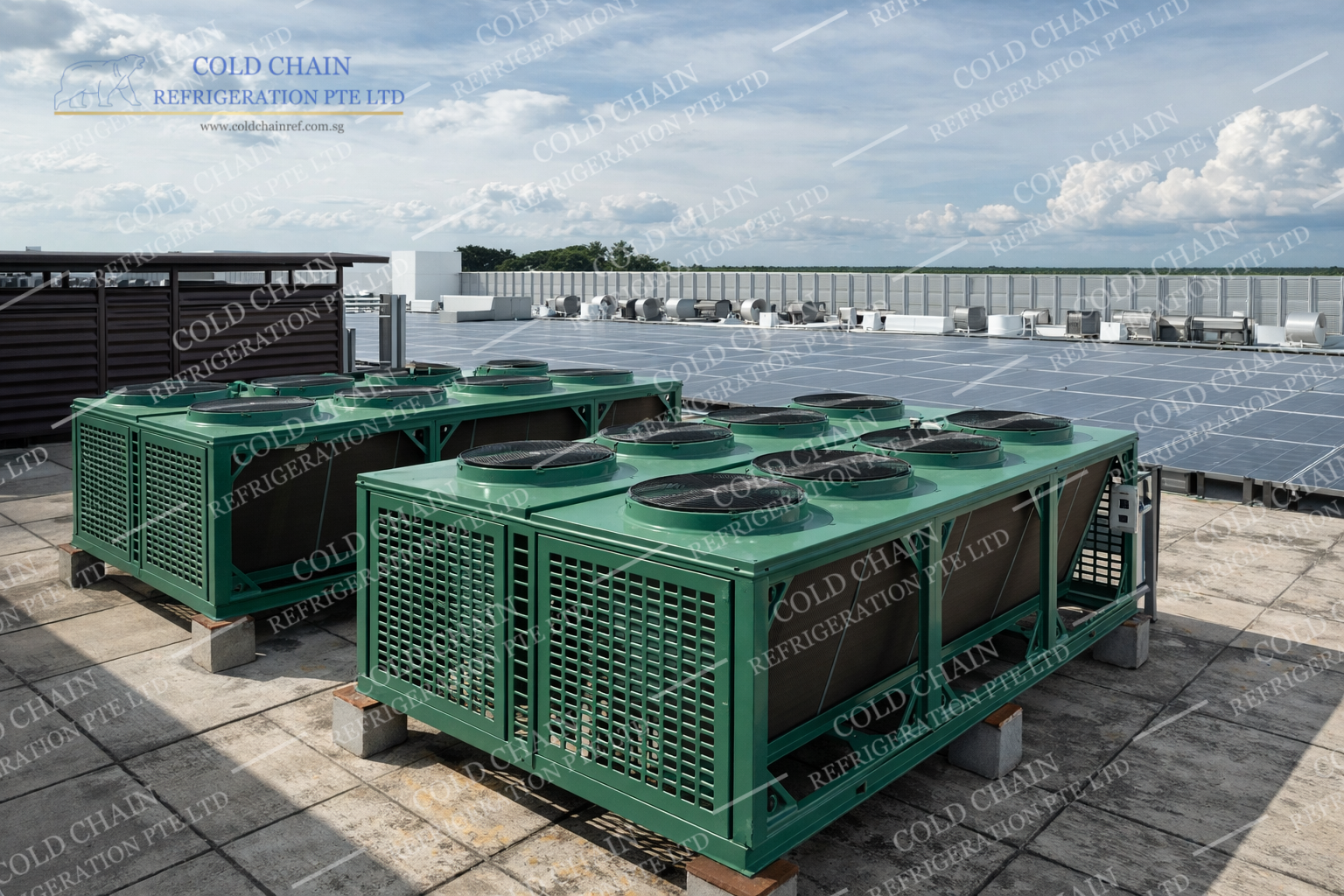
Insulation quality plays a similar role, particularly for growers operating out of converted warehouses or rooftop facilities where ambient heat load is higher than in a purpose-built cold storage site. In these settings, the surrounding building can work against the cold room instead of supporting it, an important factor to weigh into cost expectations from the outset.
Handling Produce and Cut Flowers Day to Day
Beyond the room itself, day-to-day handling determines whether the investment pays off. A few practices consistently separate growers who achieve a long, saleable shelf life from those who do not:
- Sorting stock by harvest date and selling the oldest batches first, instead of by convenience of shelf position
- Keeping cut flowers and leafy produce away from ethylene-producing items such as certain fruits, which speed up wilting
- Using breathable crates or packaging instead of sealed plastic that traps condensation
- Checking temperature logs at set times each day instead of relying on a single morning glance
These habits cost little to put in place but noticeably extend the window in which produce looks and performs at its best, which has a direct effect on a grower’s margins. Over a full harvest season, the difference between disciplined handling and a casual approach can add up to a meaningful share of stock that would otherwise have gone to waste.
Mistakes That Quietly Shorten Shelf Life
Some of the most costly errors are subtle. Overloading a cold room beyond its designed capacity restricts airflow and creates warm pockets, even when the overall temperature reading looks acceptable. Growers sometimes also retrofit a cold room built for a previous crop type without adjusting humidity settings, leaving new produce underperforming for reasons that are not immediately obvious. Poor door discipline causes similar problems, particularly during peak harvest periods when staff move in and out quickly to load stock, and even a well-designed room can underperform if the door is treated as an afterthought during the busiest hours of the day.
Planning for a Sector That Is Still Scaling Up
Singapore’s continued push toward local food production, outlined in the Singapore Food Agency’s account of its 30 by 30 food security goal, is expected to keep pressure on growers to scale output reliably. Cold storage capacity, once treated as a fixed cost, is increasingly something growers plan for in advance instead of reacting once a harvest outgrows the room.
Many of Singapore’s local food producers are weighing similar decisions as they scale up volumes to meet demand, and the same planning questions apply just as much to floriculture exporters managing seasonal peaks around festivals and events, when demand can spike well beyond everyday throughput. Building in some spare capacity now, instead of expanding once a facility is already at its limit, tends to be the more affordable path over the long run.
A Storage Partner That Understands Live Produce
Cold Chain Refrigeration works with growers across Singapore’s agriculture and horticulture sector to design storage that reflects the realities of live produce and cut flowers, instead of a one-size-fits-all chiller. If your current setup is starting to hold back what you can promise buyers, our team is glad to talk through what a better-fitted room could look like for your operation.