


Several industry reports published this year point in the same direction. Singapore’s cold chain market is projected to grow substantially over the coming decade, driven by food security policy, a growing pharmaceutical manufacturing base, and rising demand for temperature-controlled logistics tied to e-commerce. For a business planning storage capacity right now, that trajectory is not just an abstract statistic. It is a signal that belongs in decisions being made today.
Growth forecasts of this kind rarely translate into overnight change. What they do signal is a shift in the pressures that will shape storage decisions over the next few years, from tighter capacity in shared facilities to rising expectations around traceability and reliability.
Why the Forecasts Look the Way They Do
Three forces are doing most of the work behind these projections. Singapore’s push to produce more of its own food locally has increased demand for storage that keeps fresh produce viable between harvest and sale. A maturing pharmaceutical and biotech sector has added a steady stream of temperature-sensitive products that need dependable, well-monitored storage. On top of both, the continued growth of grocery and food e-commerce has pushed more cold storage capacity closer to consumers, instead of staying concentrated in a handful of large depots.
None of these drivers is new on its own, but together they add up to sustained pressure on cold storage capacity across multiple sectors at once, instead of one industry absorbing the growth alone.
What Growth Actually Means for Existing Businesses
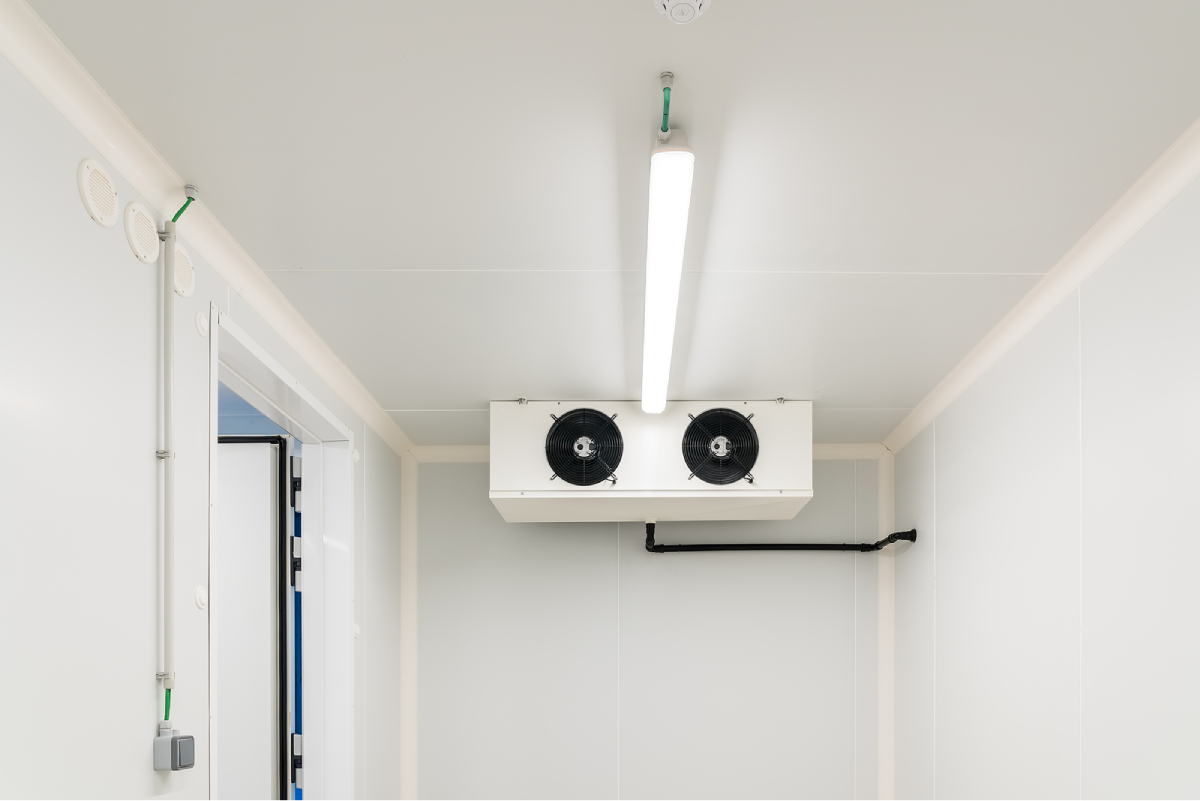
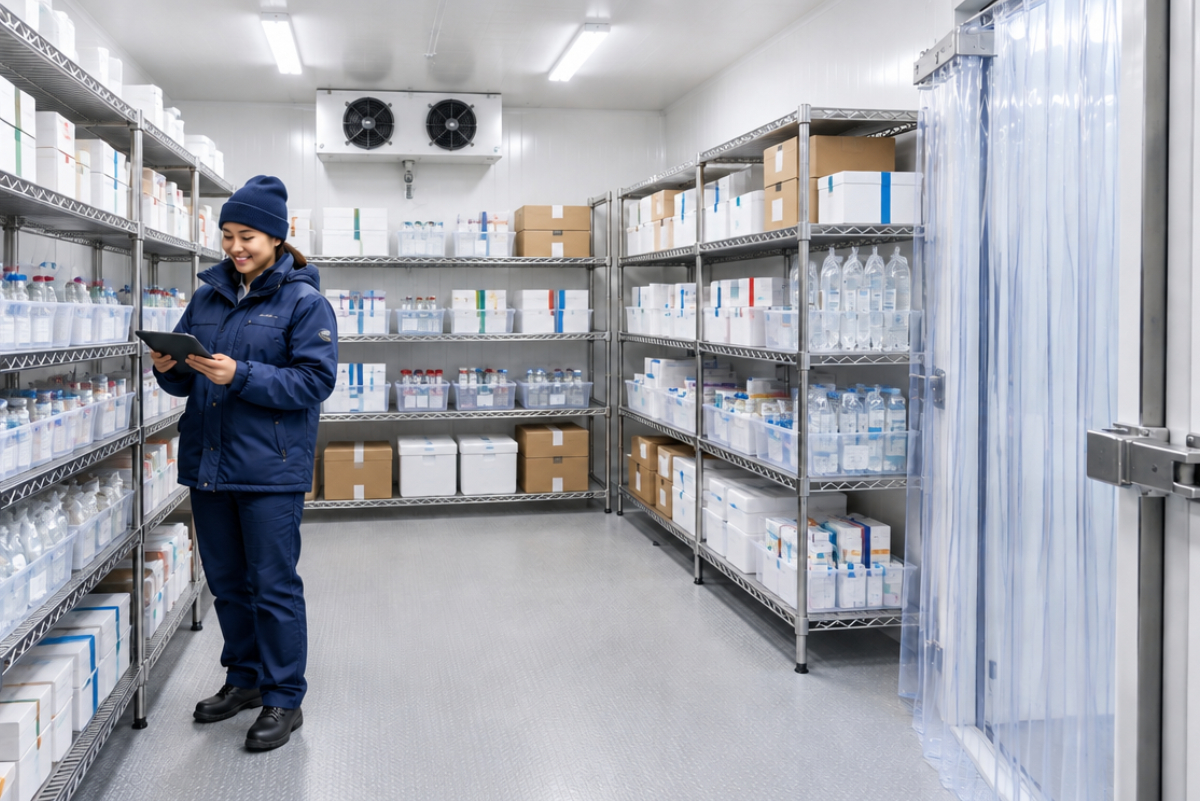
A growing market does not automatically make life easier for the businesses already operating in it. Warehousing and logistics operators sit closest to this shift, since much of the increased capacity is landing in shared and third-party facilities. Businesses that lease space in a multi-tenant cold store may find availability tightening and prices firming as demand climbs faster than new capacity comes online. Some are already reassessing whether committing to the right freezer room for warehouse storage of their own makes more sense than continuing to compete for shared space.
For food and pharmaceutical businesses further down the chain, growth in the sector often brings higher expectations from customers and partners around traceability and reliability. A retailer or distributor sourcing from a facility with modern monitoring and consistent temperature control increasingly has an edge over one relying on older, less transparent systems.
Planning Storage Investment Around the Trend
Businesses do not need to overhaul their operations in response to a ten-year forecast, but a few practical adjustments deserve attention now, before space runs short.
- Reviewing current capacity against realistic growth, not just this year’s volume, helps avoid a scramble for space later.
- Weighing the cost of continuing to lease shared cold storage against building dedicated capacity, particularly as shared space tightens.
- Considering whether ageing equipment can keep pace with rising throughput, or whether it will become the limiting factor in growth.
- Factoring lead times into planning early, since demand for design, fabrication and installation tends to lengthen as an industry grows quickly.
None of this requires certainty about exactly how fast growth will arrive. It requires treating cold storage capacity as a strategic decision, instead of something to revisit only once space runs out.
Agriculture and hospitality operators have their own version of this same pressure. A farm scaling up under Singapore’s local food production push, or a hotel group adding outlets to meet tourism demand, both end up needing more temperature-controlled space at roughly the same time as everyone else in their supply chain, which is exactly when capacity tends to be hardest to secure quickly.
A Sector to Watch Closely
For businesses in food, pharmaceuticals, agriculture and logistics, Singapore’s cold chain growth is less a distant trend than a near-term planning input. The companies that treat capacity and reliability as ongoing priorities, rather than problems to solve once they appear, tend to weather periods of rapid sector growth far more comfortably than those that wait.
That does not mean rushing into major capital spending on the strength of a forecast alone. It means keeping storage plans under regular review, and having a clear sense of what expansion would look like if and when it becomes necessary.
Businesses that wait until a shortage is already biting tend to pay more for it, whether through rushed construction timelines, premium rates on remaining shared space, or lost sales while a gap in capacity gets resolved.
Preparing for What Comes Next
A growing market rewards businesses that plan ahead of demand, instead of scrambling to catch up with it. Whether that means reviewing existing capacity, exploring a dedicated facility, or simply understanding what modern cold storage now looks like, getting the right advice early makes the eventual decision far easier.
Cold Chain Refrigeration works with businesses across Singapore’s food, pharmaceutical, agriculture and logistics sectors to plan cold storage that keeps pace with growth. Get in touch with our team to discuss what the right capacity and design look like for where your business is heading.