



Fresh fish looks fresh for a shorter window than almost anything else sold in Singapore’s markets. A few hours at the wrong temperature is often the difference between stock a trader can sell at full price and stock that has to be marked down or thrown away by midday.
For seafood and wet market traders, cold storage is not a background utility. It is often the single biggest factor separating a profitable stall or supplier from one that is constantly fighting spoilage. That narrow margin for error is part of why cold storage decisions in this trade carry more weight than they might for a business selling packaged, shelf-stable goods.
Why Seafood Margins Are So Sensitive to Storage
Seafood has one of the shortest safe handling windows of any perishable category, and quality decline is not always visible until it is too late to sell at a good price. A trader working from ice alone, without proper cold storage behind the stall or in a supply chain, is essentially racing the clock every single day. A hot afternoon, a delayed delivery, or a longer than usual queue at the stall can each quietly eat into that window before a single fish changes hands. A single afternoon without adequate cooling can turn a stall’s entire morning catch into discounted stock by closing time.
That pressure only increases for wholesalers and suppliers moving larger volumes between boats, markets, and restaurant kitchens, where a single delay at any point in the chain can affect stock quality for every buyer further down the line.
What a Commercial Cold Room Adds That Ice Cannot
Ice keeps seafood cold for a limited period and needs constant replenishing, which adds labour cost and is not always consistent from batch to batch. A commercial cold room maintains a stable temperature without that manual effort, giving traders a longer, more predictable window to sell stock before quality starts to drop.
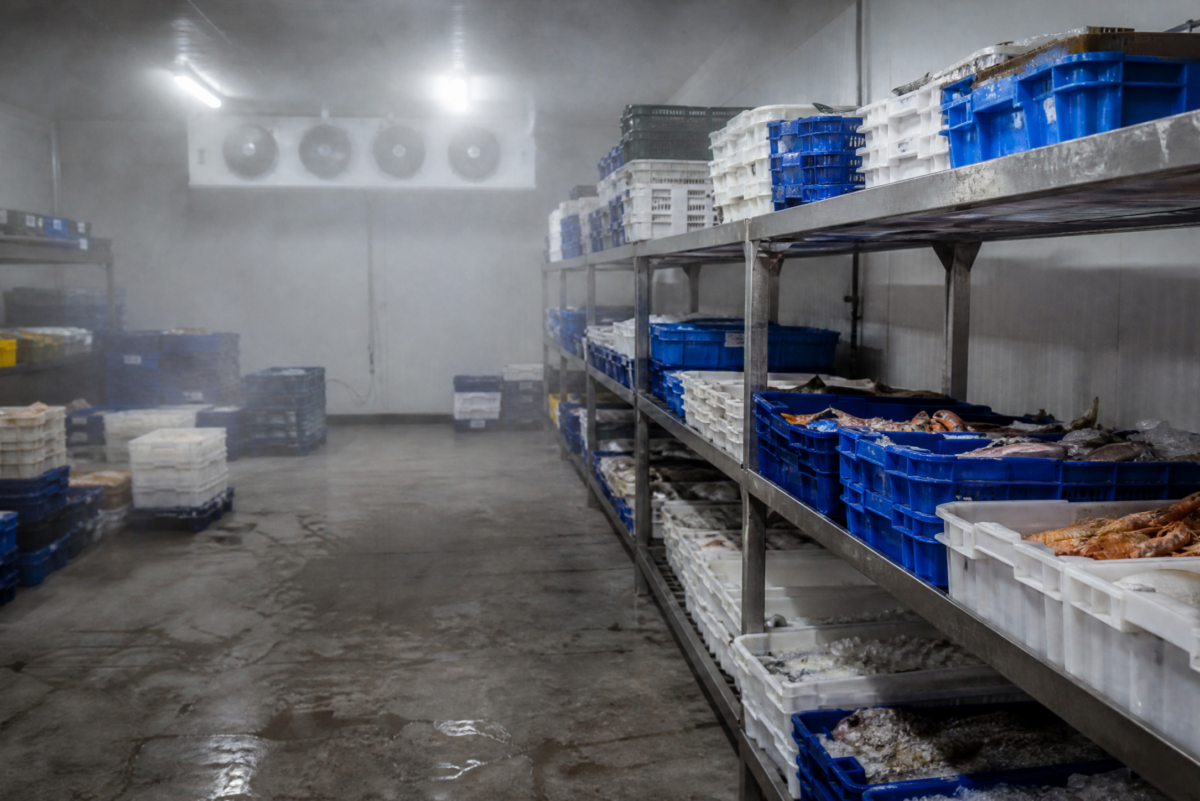
For stalls and suppliers handling a mix of fish, shellfish, and prepared seafood, a proper cold room also allows different products to be separated and stored at conditions suited to each, instead of everything sharing the same block of ice regardless of what it actually needs. This kind of separation is difficult to achieve consistently with loose ice, where different products often end up stacked together simply because space is limited.
That separation also reduces cross-contamination risk between raw products, a concern that carries real weight for both reputation and food safety. Buyers who return week after week tend to notice consistency in both, even if they could not explain the storage setup behind it.
Practical Considerations for Market and Wholesale Settings
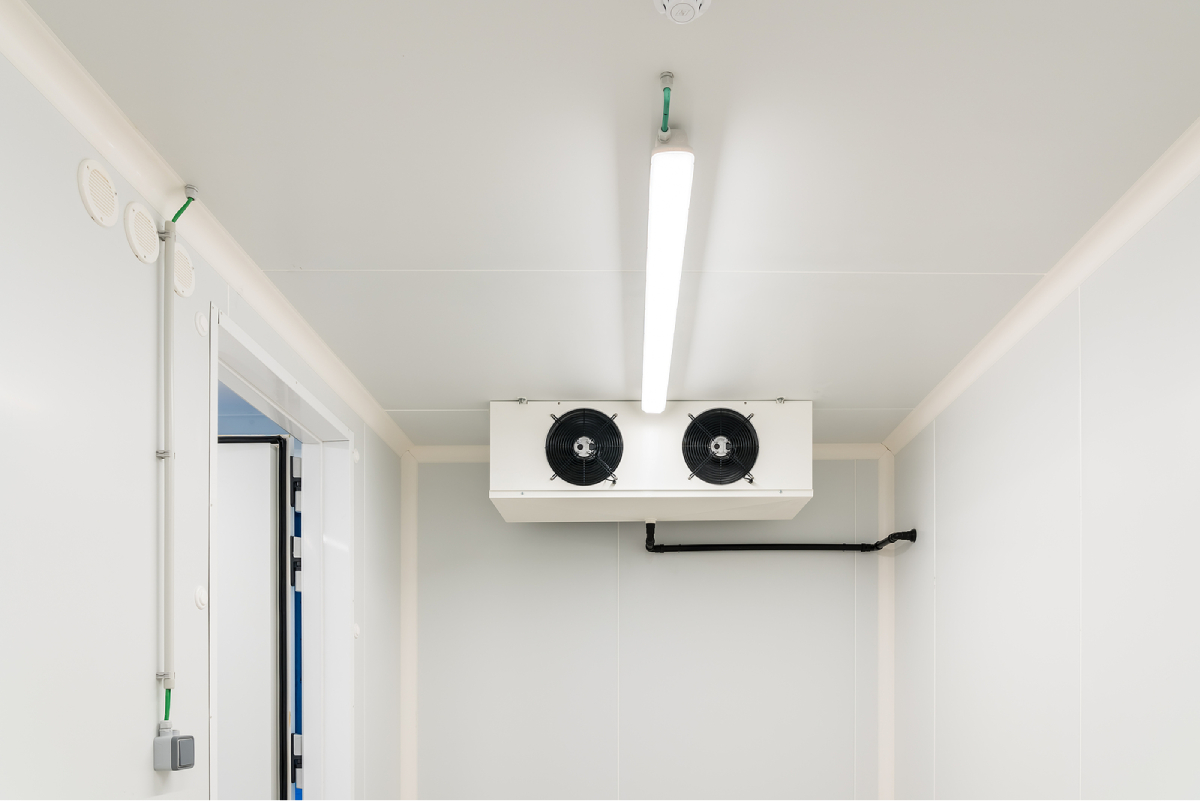
Space is often the biggest constraint for traders working out of a market stall instead of a dedicated warehouse. A compact, well-insulated cold room built into the footprint of an existing stall or backroom can still deliver a meaningful improvement over ice alone, even without the floor area a large distributor might have.
Door access and layout deserve particular attention in a market setting, where stock often moves in and out dozens of times during a single trading day. A poorly placed door, or one that does not seal properly after repeated use, can undo much of the benefit of having cold storage in the first place. Some traders find it worthwhile to fit a simple door-closer mechanism, a small fix that prevents the door being left ajar during a busy stretch of trading.
Balancing Freshness With Food Safety Expectations
Buyers, whether households at a market stall or chefs sourcing for a kitchen, increasingly associate visible cold storage with a trader who takes hygiene seriously, even before they inspect the produce itself. Singapore’s food safety framework for establishments handling fresh and processed seafood, set out in the Singapore Food Agency’s conditions of licensing for cold stores, gives a general sense of the standards larger operators are expected to work toward, though most stallholders will only need to understand the basics instead of the full detail.
Meeting a reasonable standard on storage and hygiene is as much about protecting a trader’s own reputation and repeat custom as it is about ticking a regulatory box.
A visibly well-kept cold room, with clean shelving and no overflow of stock onto the floor, tends to reassure buyers in a way that a printed certificate rarely does on its own. It also tends to reduce the number of customer questions about how long produce has been sitting out, since the storage itself answers the question before it is asked.
Facing the Same Pressures as the Wider F&B Trade
Seafood traders share many of the same cold storage room challenges that other food and beverage businesses encounter, particularly around seasonal demand spikes such as festive periods, when both volume and customer expectations rise at once, and when a single equipment fault can affect an entire day’s stock rather than a handful of items, with replacement supply often harder to source at short notice. Traders who have weathered a festive period with reliable cold storage in place are usually the first to say the investment paid for itself within a single peak season.
Keeping Stock Fresh From Market to Table
Cold Chain Refrigeration works with seafood traders, wet market stallholders, and wholesale suppliers to design cold storage that fits tight spaces without compromising on performance.
If ice and improvisation are starting to cost you sales, we are glad to talk through options that would suit your stall or facility.