


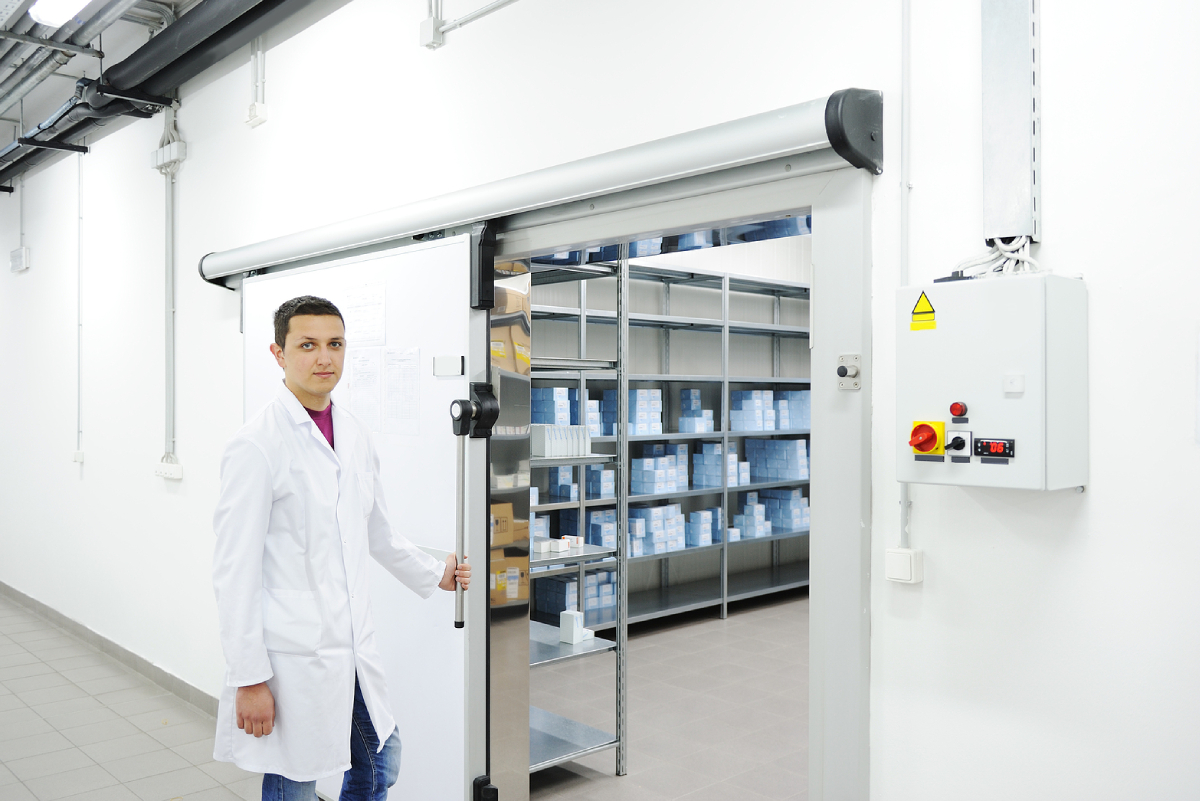
Temperature control can make or break a business. A few degrees too warm, and fresh seafood loses its quality. A few degrees too cold, and certain vaccines become ineffective. For companies in the food, pharmaceutical, and logistics sectors, cold room design is not just about storage. It is about safety, compliance, operational efficiency, and protecting your reputation.
Whether you are planning a new facility or upgrading an existing one, understanding how cold rooms are designed for different industries will help you make better decisions for your business.
Why Cold Room Design Is More Than Just Refrigeration
A cold room is a controlled environment engineered to maintain a specific temperature range for storage or processing. While refrigeration equipment is central, effective design goes beyond simply installing cooling units.
Good cold room design considers:
- Product type and temperature requirements
- Volume and turnover rate
- Workflow and staff movement
- Energy efficiency
- Regulatory compliance
- Hygiene and safety standards
For businesses in Singapore, where climate conditions are hot and humid year-round, insulation quality and moisture control are especially critical. Poor design can lead to condensation issues, ice build-up, product spoilage, and rising energy bills.
A well-planned custom cold room ensures that your system supports daily operations smoothly, instead of becoming a bottleneck or liability.
Cold Room Design for the Food Industry
Food businesses rely heavily on consistent temperature control to maintain freshness and comply with food safety regulations. This includes restaurants, central kitchens, food manufacturers, supermarkets, and distribution hubs.
Key Design Considerations
1. Temperature Zoning
Different food categories require different storage temperatures. Fresh produce, dairy, meat, and frozen items cannot share the same environment. Designing separate zones or multiple chambers ensures proper storage and reduces cross-contamination risks.
2. Hygiene and Cleanability
Food-grade wall panels, non-slip flooring, and rounded internal corners make cleaning easier and more effective. Drainage design also plays a role in preventing stagnant water and bacterial growth.
3. Air Circulation and Even Cooling
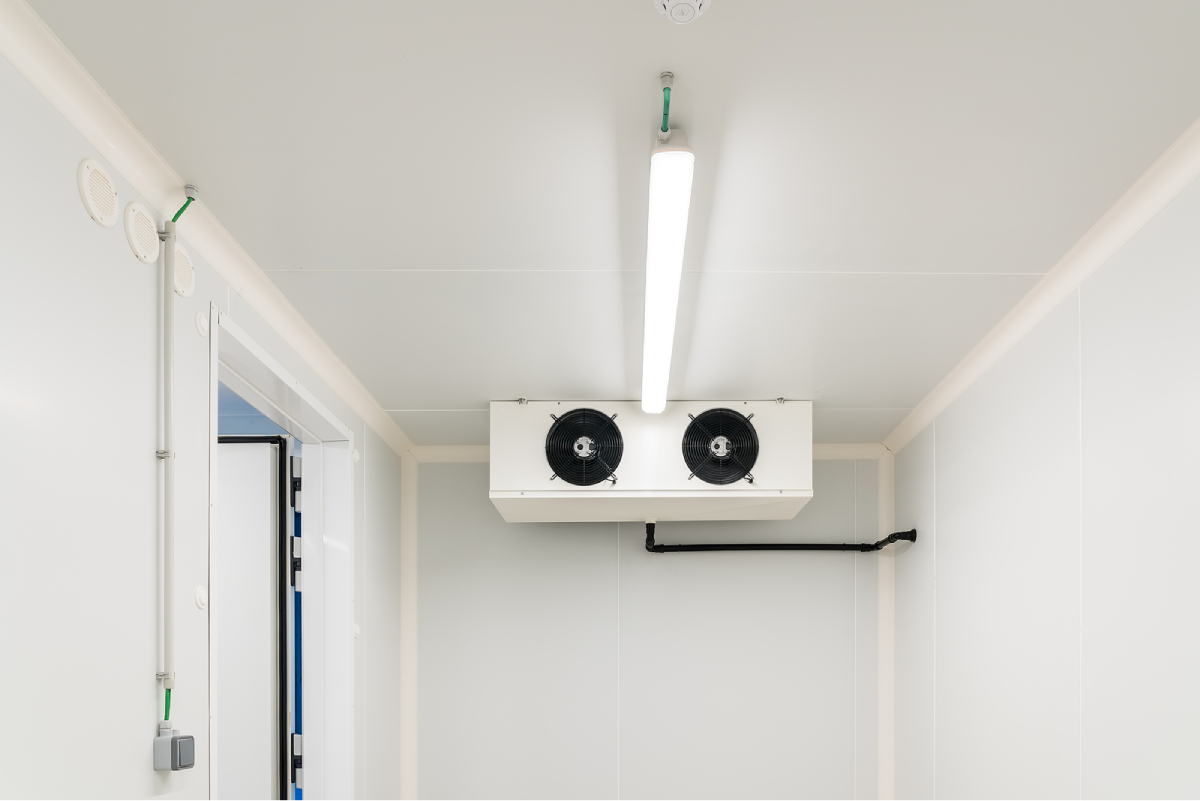
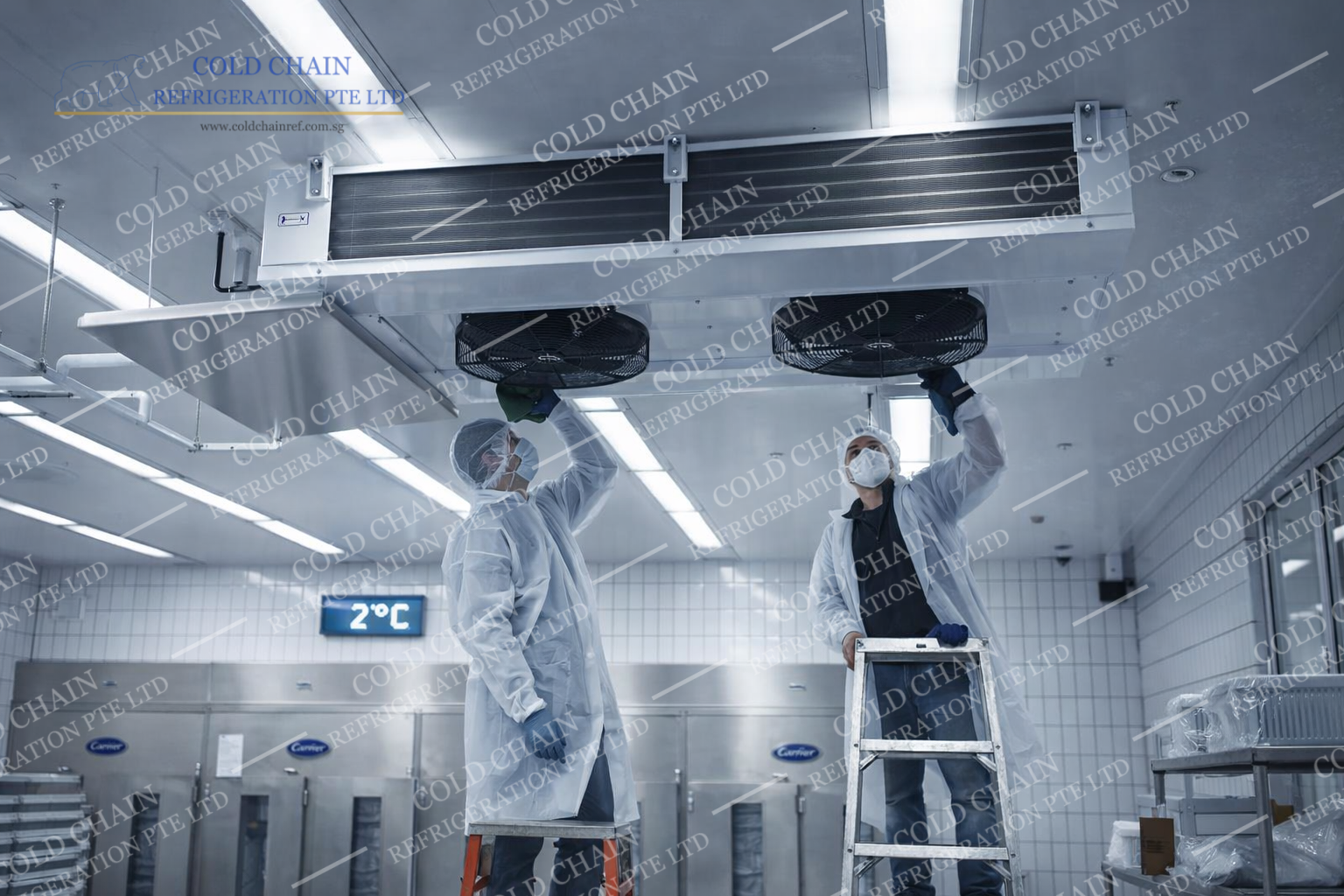
Uneven airflow can result in hot spots, causing spoilage in certain areas. Strategic placement of evaporator units and shelving helps maintain uniform temperatures throughout the room.
4. Workflow Efficiency
Cold rooms in food facilities must align with kitchen or production flow. For example, raw materials should move logically from receiving to preparation to dispatch without unnecessary backtracking. In facilities supporting supermarket e-commerce fulfilment, the layout should also accommodate dedicated picking lanes, packing stations, and staging areas to minimise door opening time and maintain stable internal temperatures.
By tailoring the layout and equipment to your menu, storage volume, and turnover rate, you can ensure food safety while optimising operational speed.
Cold Room Design for the Pharmaceutical Industry
Pharmaceutical cold rooms operate under stricter regulatory and monitoring requirements than most other sectors. Medicines, vaccines, and biologics are highly sensitive to temperature deviations.
Key Design Considerations
1. Precise Temperature Control
Pharma cold rooms often require tight temperature tolerances, such as 2 to 8 degrees Celsius for many vaccines. Systems must be capable of maintaining stable conditions even during peak load or frequent access.
2. Redundancy and Backup Systems
Backup refrigeration units and emergency power supplies are essential. In the event of equipment failure or power outage, the system must continue operating without risking product integrity.
3. Continuous Monitoring and Data Logging
Digital monitoring systems with alarms and remote alerts are critical. Temperature data logging supports compliance audits and ensures traceability.
4. Regulatory Compliance
Pharmaceutical storage facilities must comply with guidelines such as Good Distribution Practice. Cold room design should support validation processes, including temperature mapping and documented performance testing.
Designing for pharma requires careful coordination between engineers, compliance teams, and facility managers. A well-engineered system protects both patient safety and your organisation’s credibility.
Cold Room Design for Logistics and Warehousing
Logistics providers face a different set of challenges. Instead of focusing on a single product category, they often handle multiple clients with varying storage requirements.
Key Design Considerations
1. Scalability and Flexibility
Third-party logistics operators need adaptable spaces. Polyisocyanurate (PIR) insulated panels allow expansion or reconfiguration as client needs change.
2. Loading Bay Integration
Dock shelters, rapid roll-up doors, and air curtains help reduce temperature loss during loading and unloading. This protects product quality and lowers energy consumption.
3. High Racking and Space Optimisation
Warehouses maximise vertical storage. Cold room design must account for airflow around tall racking systems to ensure consistent cooling at every level.
4. Energy Efficiency
Large-scale facilities consume significant energy. High-performance insulation panels, efficient compressors, and smart control systems help manage operational costs.
For logistics businesses, downtime can disrupt entire supply chains. Designing for durability and ease of maintenance is just as important as cooling capacity.
Core Components of Effective Cold Room Design
Regardless of industry, several foundational elements shape performance and reliability.
1. Insulation Panels
High-quality insulated panels reduce heat transfer and improve energy efficiency. Panel thickness should be selected based on required temperature range and room size.
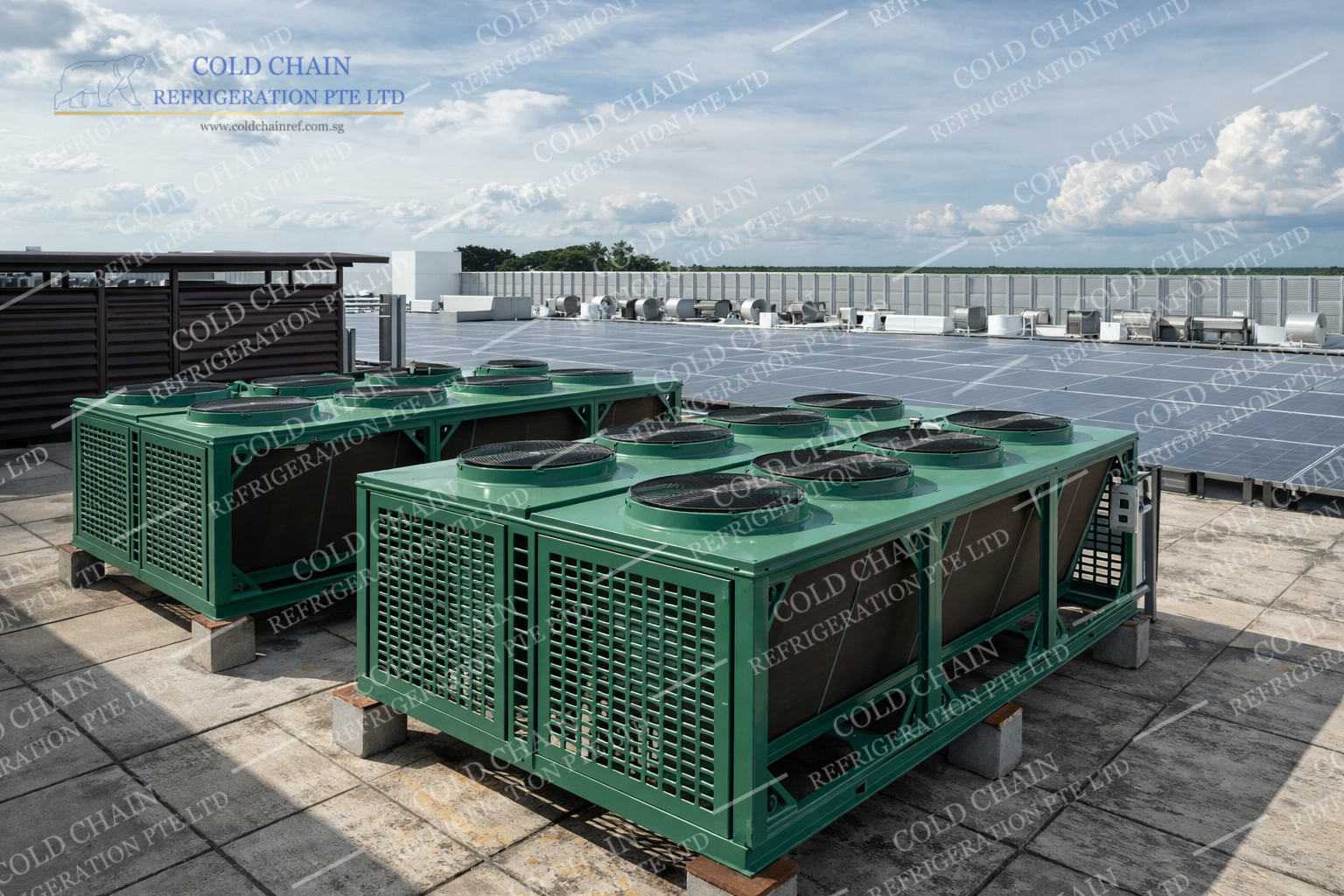
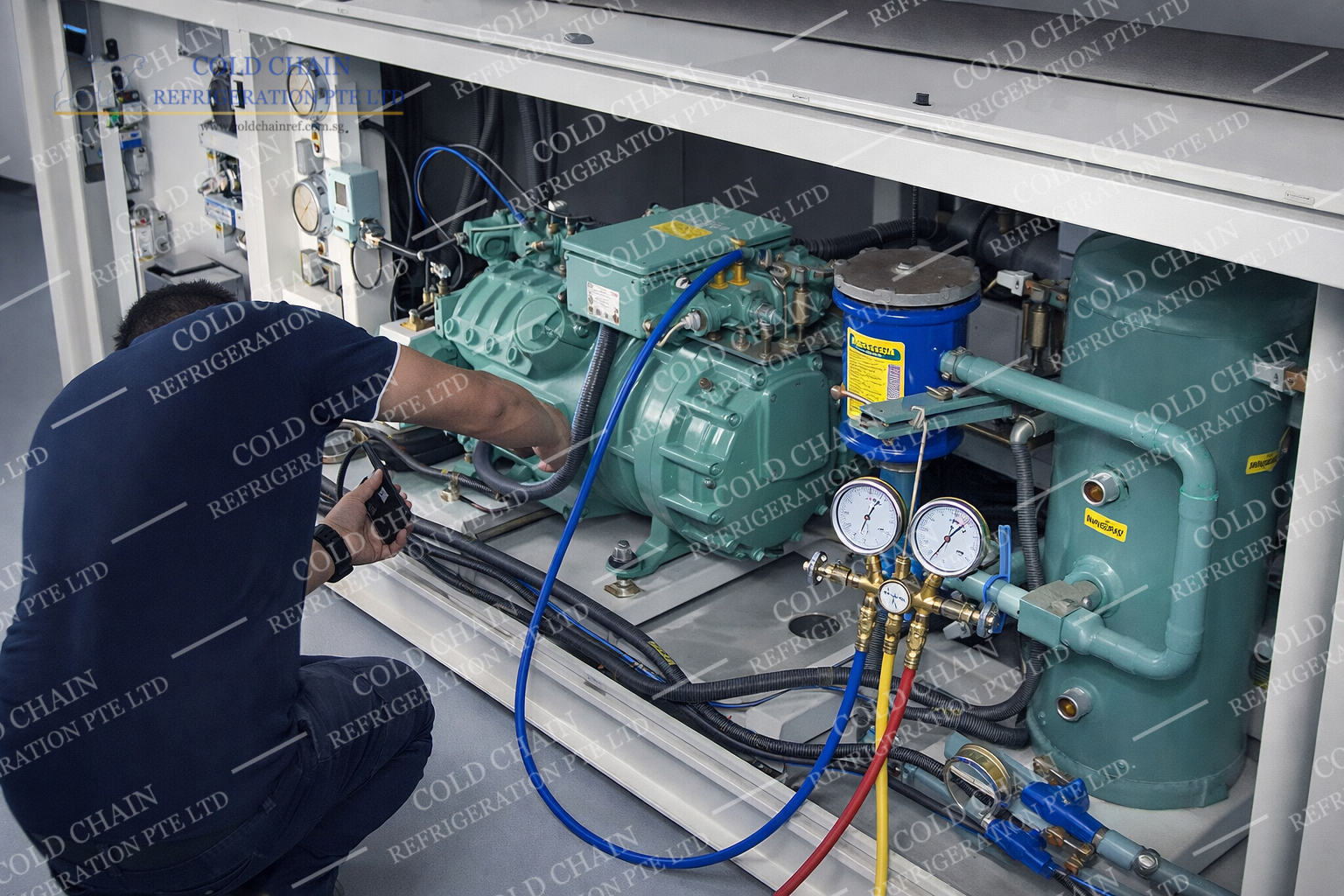
2. Refrigeration System Selection
Choosing the right compressor, condenser, and evaporator configuration depends on load calculations. Undersized systems struggle to maintain temperature, while oversized systems waste energy.
3. Door Systems
Heavy-duty hinged or sliding doors with proper sealing prevent air leakage. For high-traffic areas, rapid doors minimise temperature fluctuations.
4. Flooring and Drainage
Anti-slip, durable flooring ensures staff safety. In food and pharma environments, proper drainage design supports hygiene standards.
5. Control and Monitoring
Modern control panels allow operators to set temperature parameters, monitor performance, and receive alerts. Integration with building management systems improves oversight.
Each component must work together as a cohesive system. Design decisions made at the planning stage directly affect long-term performance.
The Importance of Professional Planning and Installation
A cold room is a long-term infrastructure investment. Cutting corners during design or installation often results in higher maintenance costs, product losses, and compliance risks later.
Working with experienced specialists ensures:
- Accurate load calculations
- Proper system sizing
- Compliance with local regulations
- Thorough testing and commissioning
- Ongoing maintenance support
Site assessment is a critical first step. Factors such as building structure, ventilation, humidity levels, and electrical capacity must be evaluated before installation begins.
When your cold room is aligned with your operational goals, it becomes an asset that supports growth instead of limiting it.
Future Trends in Cold Room Design
As industries evolve, cold room technology is advancing as well.
- Smart sensors and IoT monitoring enable real-time data tracking.
- Energy-efficient refrigerants reduce environmental impact.
- Automated storage and retrieval systems integrate with temperature-controlled environments.
- Sustainable design practices help businesses meet ESG objectives.
Companies that invest in modern, efficient systems today are better positioned to meet regulatory changes and rising customer expectations tomorrow.
Conclusion: Build a Cold Room That Works for Your Industry
Every industry has unique storage demands. Food businesses prioritise freshness and hygiene. Pharmaceutical companies focus on precision and compliance. Logistics providers require scalability and operational efficiency.
The right design balances temperature stability, energy performance, workflow integration, and regulatory standards. Instead of relying on a one-size-fits-all solution, partnering with specialists ensures your cold room is engineered around your products, processes, and long-term plans.
If you are planning a new installation or upgrading an existing facility, consider working with experienced professionals who understand the technical and operational nuances of temperature-controlled environments.
Connect with Cold Chain Refrigeration to discuss your requirements and explore tailored cold room solutions designed specifically for food, pharma, and logistics operations. With expert planning, quality components, and reliable support, your business can safeguard product integrity and operate with confidence at every stage of the cold chain.