


As supermarket e-commerce continues to grow, the demand for efficient, scalable cold storage infrastructure becomes increasingly critical. Shoppers now expect rapid delivery or convenient pickup of perishable goods, pushing retailers to reimagine how they manage inventory and logistics. A key component enabling this transformation is the walk-in freezer—an essential facility that underpins the storage and flow of frozen goods within the e-commerce supply chain.
This article explores how walk-in freezers support supermarket e-commerce fulfilment, the design and operational considerations involved, and why investing in reliable cold storage is vital for long-term success.
E-Commerce and the Perishables Challenge
Unlike traditional grocery retail, e-commerce adds new complexity to the handling of perishable and frozen items. Products such as frozen meats, ready-to-eat meals, and desserts must remain within tightly controlled temperature ranges to preserve safety and quality. Delays or fluctuations at any point in the process can compromise the product’s integrity.
Supermarkets investing in e-commerce must therefore rethink their back-of-house logistics. Traditional retail spaces, which prioritise customer-facing presentation, may lack the infrastructure to support high-volume, fast-turnaround cold storage. This is where walk-in freezers become indispensable.
The Role of Walk-In Freezers in Fulfilment
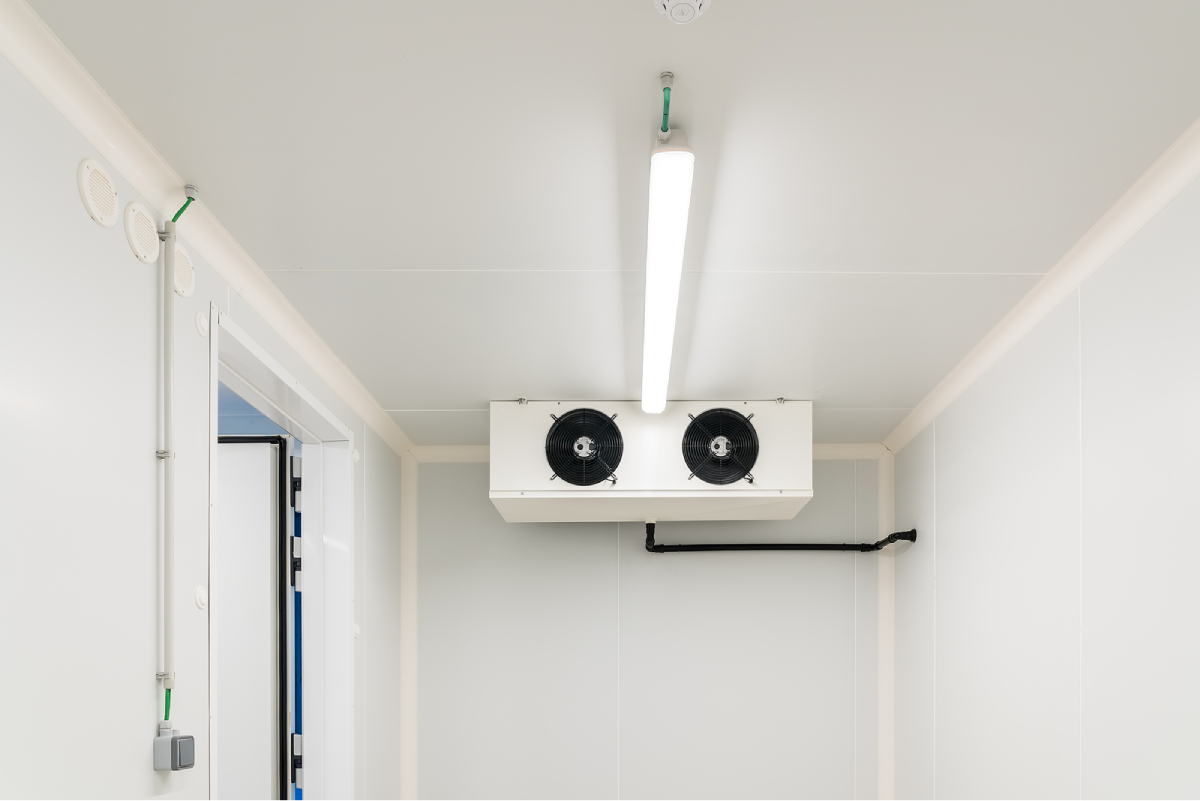
Walk-in freezers offer a controlled, high-capacity storage solution for frozen inventory awaiting fulfilment. Unlike standard upright freezers or chest freezers, walk-in units provide ample space for staff to enter, sort, and access products quickly. They support batch picking processes, reduce handling errors, and enable efficient first-in, first-out (FIFO) inventory practices.
For e-commerce operations, walk-in freezers allow retailers to:
- Pre-stage frozen orders during peak periods or before dispatch windows.
- Store high-demand items in bulk, reducing stock-outs and delivery delays.
- Separate stock for in-store and online channels, streamlining operations.
- Maintain food safety compliance through consistent temperature control.
By centralising frozen product storage, supermarkets can better manage order volumes, reduce waste, and ensure customer satisfaction.
Integration with Micro Fulfilment Centres
A growing trend in supermarket e-commerce is the development of micro fulfilment centres (MFCs), often located at the back of stores or in dedicated urban warehouses. These compact facilities are designed for high-speed picking and packing, optimised with automation and zoning.
In these environments, walk-in freezers serve as the frozen goods hub within the MFC layout. Inventory is replenished based on predictive algorithms and demand forecasts, ensuring products are always available for rapid picking. The freezer’s internal racking and layout can be tailored for automation compatibility or ergonomic manual access.
Effective integration of walk-in freezers with MFCs enhances operational efficiency and shortens the time from order placement to delivery.
Temperature Monitoring and Reliability
Maintaining the integrity of frozen goods requires more than just cold air—it demands a robust system that includes real-time temperature monitoring, backup power solutions, and preventative maintenance protocols.
Advanced walk-in freezers feature digital control systems that alert operators to temperature fluctuations, door ajar events, or component malfunctions. Data logging ensures traceability, helping supermarkets demonstrate compliance with food safety regulations and audits.
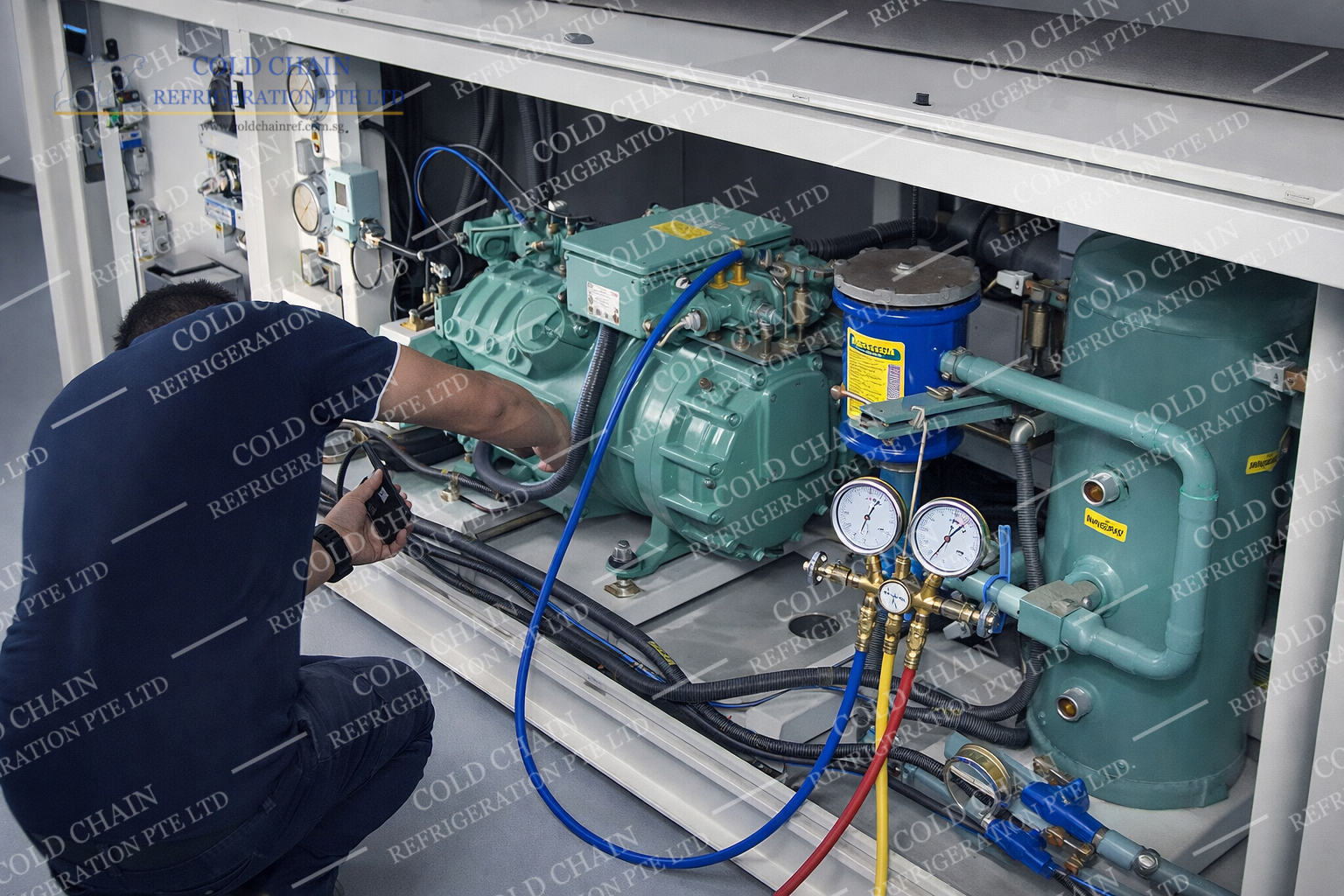
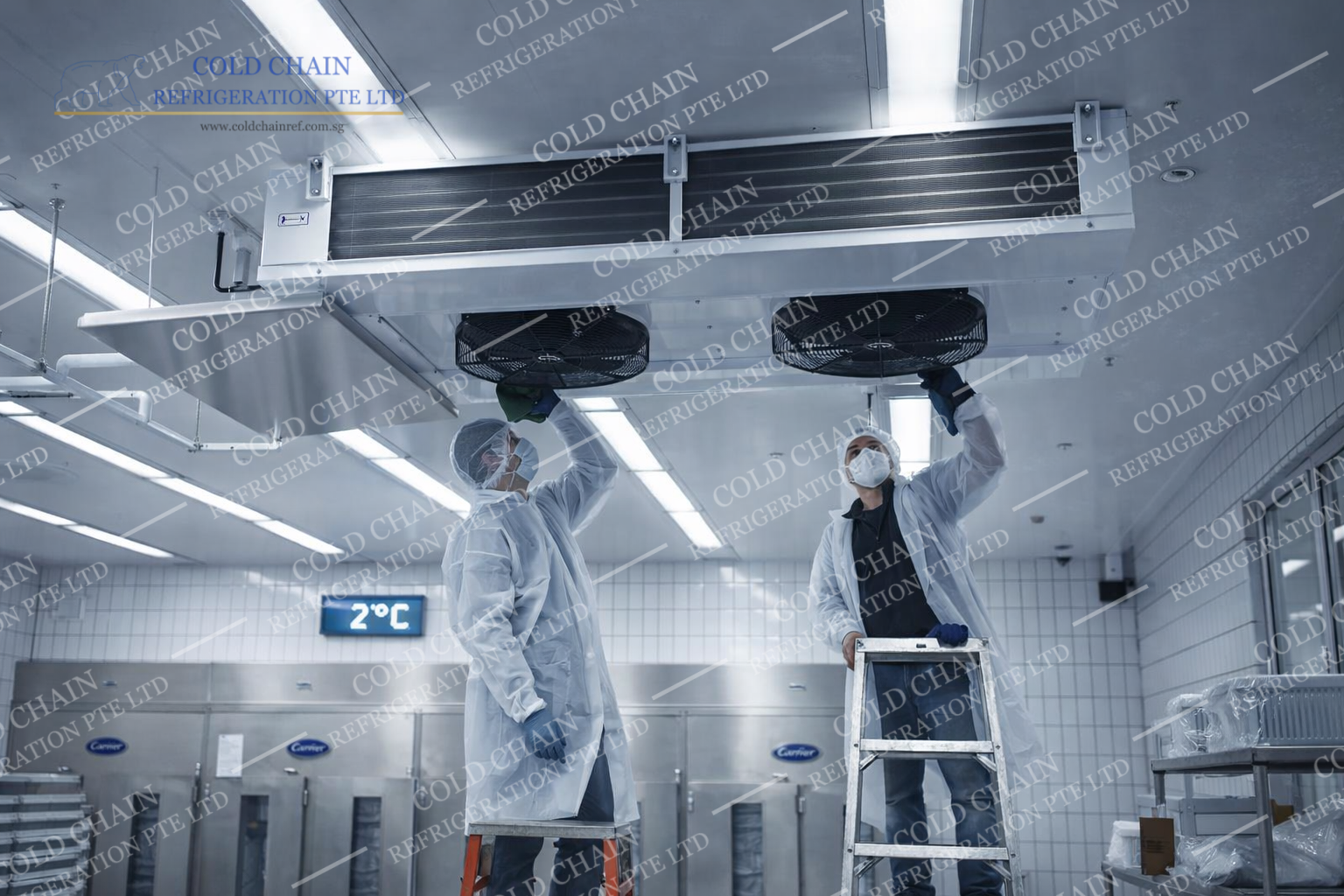
Given the critical nature of frozen inventory to e-commerce operations, reliability is paramount. Redundant refrigeration units and insulated panel systems help prevent costly downtime. Regular maintenance schedules are essential to ensure ongoing performance.
Energy Efficiency and Sustainability
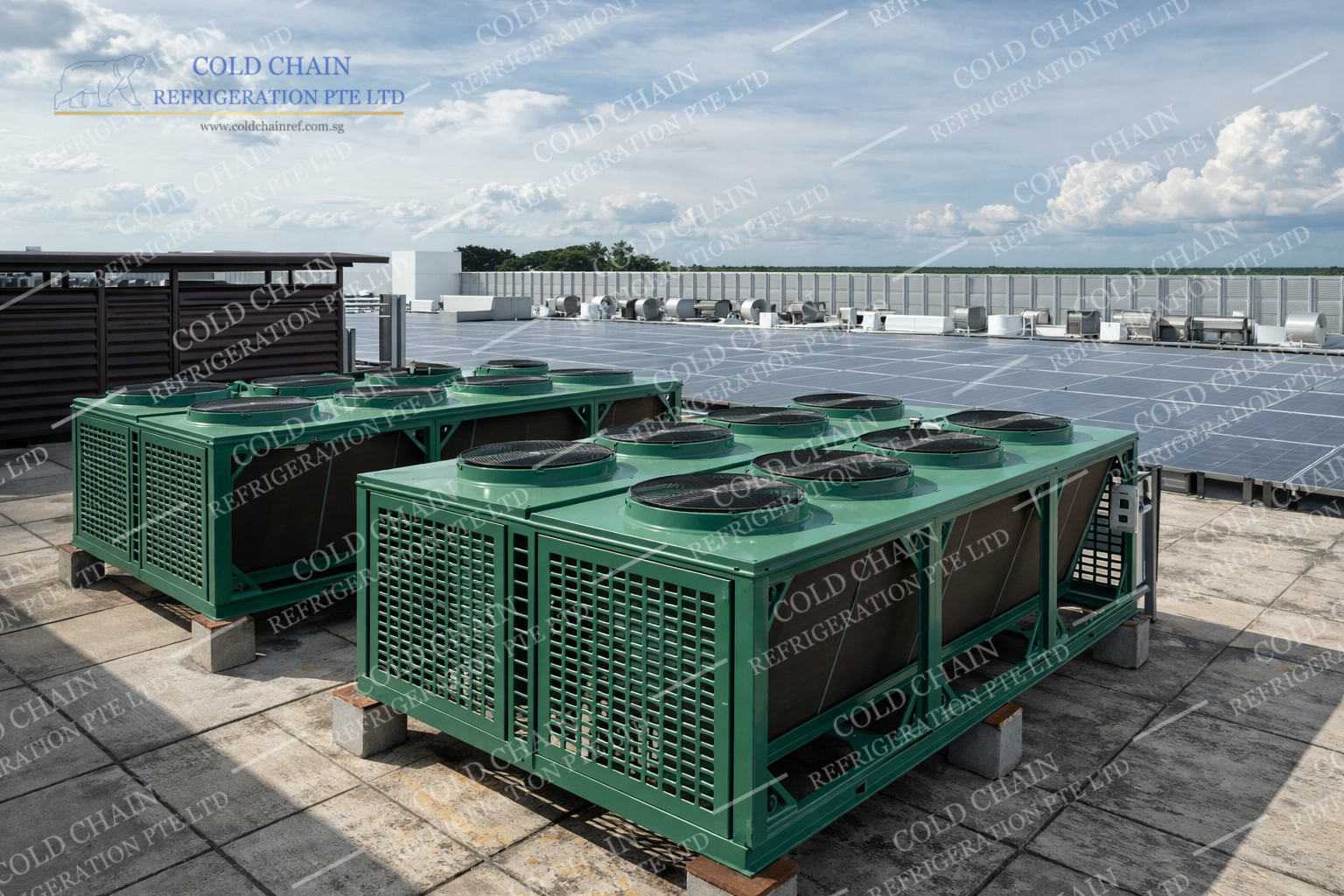
With rising energy costs and growing environmental concerns, supermarkets must consider the energy efficiency of their refrigeration infrastructure. Modern walk-in freezers can be equipped with:
- High-efficiency compressors and condensers
- High-performance insulation panels
- Automatic door closers and air curtains
These features reduce energy consumption and minimise temperature fluctuations, contributing to a lower total cost of ownership.
Customisation for E-Commerce Workflows
No two supermarkets operate identically, especially when it comes to online order fulfilment. Walk-in freezers can be customised to align with specific operational needs, such as:
- Split rooms for different temperature zones
- Integrated loading docks for last-mile delivery
- Modular shelving systems for rapid SKU identification
- Space-efficient layouts for urban locations
This flexibility ensures that the cold storage solution supports not just the current workload but also future scalability, helping to maximise efficiency in cold room operations.
Conclusion
As supermarket e-commerce continues to evolve, investing in robust cold storage infrastructure is not just a logistical decision—it’s a strategic one. Walk-in freezers are central to maintaining quality, ensuring safety, and delivering on the convenience promise that online grocery shoppers now expect.
For expert guidance and customised walk-in freezer installation, Cold Chain Refrigeration delivers reliable, industry-leading solutions designed to support your supermarket e-commerce fulfilment needs. Our team focuses on creating cold storage systems that maximise efficiency, reliability, and temperature precision to keep your frozen inventory in perfect condition.
Contact us today for more information.