



Time is money, and nowhere is this more evident than in the food, pharmaceutical, and logistics industries. Every hour counts when transporting temperature-sensitive goods, and inefficient cold storage design can create unnecessary delays. Smart cold room planning is no longer a luxury; it’s essential for businesses looking to streamline operations, cut delivery timeframes, and maintain product quality from storage to shipment.
Optimising Your Walk-In Cooler Layout
One of the key elements in improving cold chain efficiency is the design of your walk-in cooler. A poorly planned cooler can create bottlenecks that slow down the movement of goods. By strategically organising storage space, aisle width, and shelving layout, you can minimise the time staff spend locating and retrieving products.
Grouping high-turnover items near access points reduces travel distance, allowing for faster order picking and more efficient deliveries. Even small adjustments to shelving height or product placement can have a significant impact on workflow speed. The goal is to make every movement purposeful, reducing wasted steps and accelerating delivery processes.
Temperature Control for Consistency
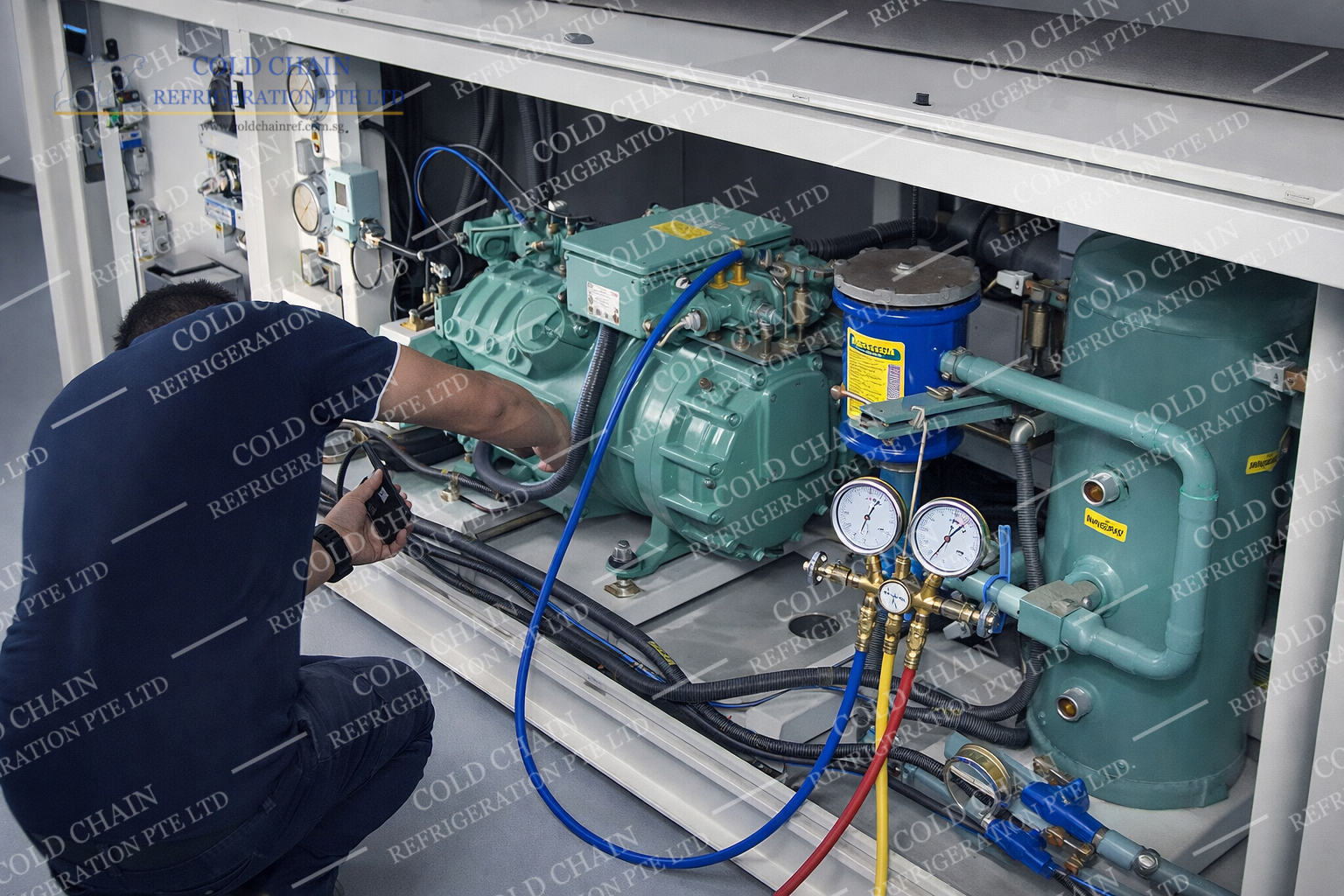
Temperature control is another critical factor. Smart cold rooms employ precise refrigeration systems that maintain consistent temperatures throughout the storage area. Uneven cooling can result in some products being exposed to suboptimal conditions, forcing teams to handle items more carefully and slowing down workflows.
Modern systems with zoned temperature controls ensure that different products receive ideal storage conditions without impacting retrieval speed. This allows businesses to maintain quality and comply with strict regulatory standards. Consistency in temperature also reduces the risk of spoilage, which directly affects delivery reliability.
Leveraging Automation
Automation can further reduce delivery timeframes. Integrating technologies like automated pallet movers, conveyor systems, and inventory tracking software reduces manual handling and errors. Real-time monitoring allows staff to anticipate potential delays before they occur, ensuring products move smoothly through the cold chain.
Automated systems also free staff to focus on higher-value tasks, like quality checks or order verification, rather than spending time on repetitive movements. This combination of speed and accuracy ensures deliveries happen on time and products arrive in peak condition.
Designing for Efficient Traffic Flow
Layout optimisation plays a huge role in maximising efficiency in your cold room. Cold rooms should be designed with traffic flow in mind, enabling staff and equipment to move freely without unnecessary detours. Separate entry and exit points for incoming and outgoing goods prevent congestion, while wider aisles accommodate forklifts or trolleys without slowing down operations.
Even subtle design choices, such as placing high-use equipment like pallet jacks and carts in easily accessible areas, can save precious minutes. Ensuring that paths are clear and intuitive also reduces errors, creating a smoother workflow from storage to shipment.
Safety and Waste Reduction
Beyond efficiency, smart cold room design improves safety and reduces waste. Products that are easy to access are less likely to be mishandled, lowering the risk of damage or spoilage. A well-organised cold room also prevents accidents like slips or collisions, protecting both staff and inventory.
Proper airflow and insulation reduce energy consumption, making operations more sustainable while keeping goods at their best. Minimising product loss and energy waste translates into both cost savings and faster delivery times, creating a win-win scenario for your business and the environment.
Training Your Team
Even the smartest cold room is only effective if staff understand how to navigate it efficiently. Clear signage, standardised processes for storing and retrieving items, and routine audits help teams maintain speed and accuracy. Pairing intelligent design with staff awareness maximises the impact on delivery timeframes.
A well-trained team knows exactly where each product is stored, how to handle it safely, and the fastest route to retrieval. Regular training sessions reinforce best practices and ensure that every team member can contribute to an optimised workflow.
Long-Term Benefits of Smart Cold Rooms
Investing in a well-designed cold room is not just about speed; it’s about reliability and consistency. Customers expect on-time deliveries with products that meet quality standards. Any delay or product compromise can affect brand reputation and result in financial losses.
Faster, more reliable deliveries create a smoother supply chain, reducing stress on transport schedules and allowing for better route planning. This efficiency supports growth, enabling companies to take on more orders without expanding storage space or workforce.
Conclusion
Smart cold room design is more than just a storage solution; it’s a strategic tool that can drastically reduce delivery timeframes, improve workflow efficiency, and protect the quality of temperature-sensitive products. From optimising your walk-in cooler layout to implementing automation, temperature control, and staff training, every detail matters.
Businesses that prioritise efficient cold storage not only save time and reduce waste but also strengthen customer trust and support long-term growth. For companies aiming to optimise cold storage and cut costs, Cold Chain Refrigeration Pte Ltd offers expert solutions tailored to your specific operational needs. Partnering with us ensures your cold room operations run efficiently, safely, and reliably, giving your business a competitive edge today and into the future.
To learn more, do not hesitate to connect with us today!