
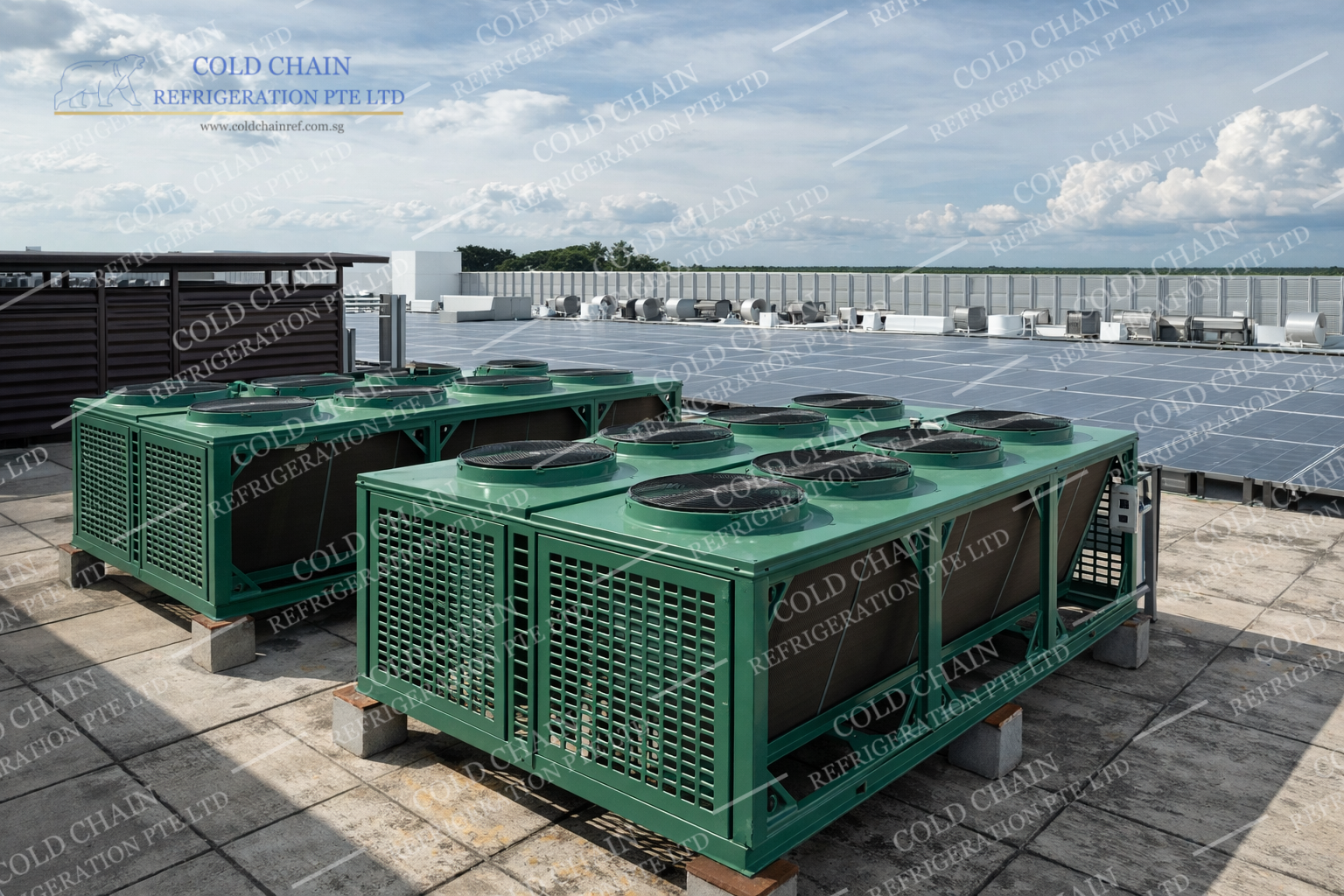


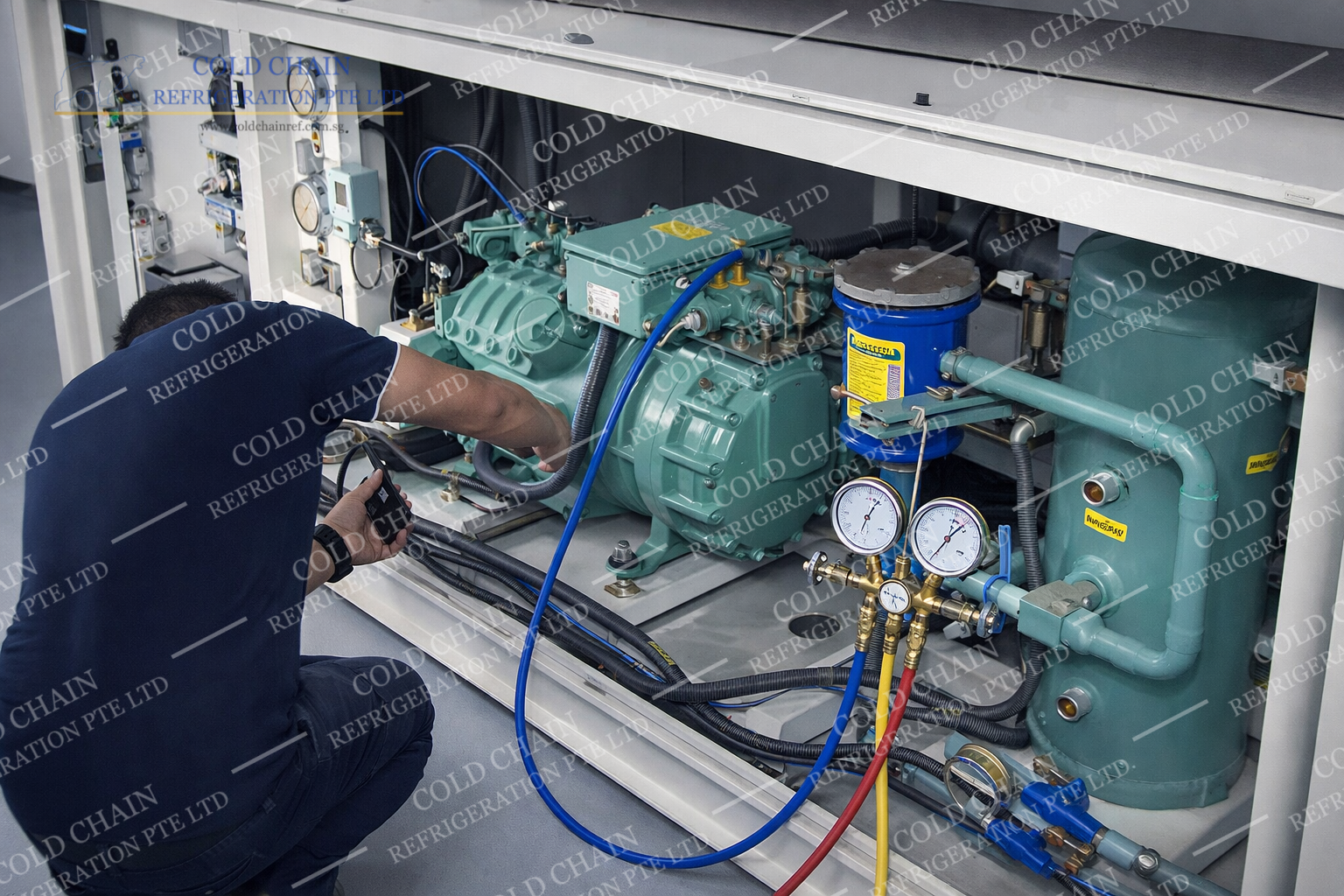
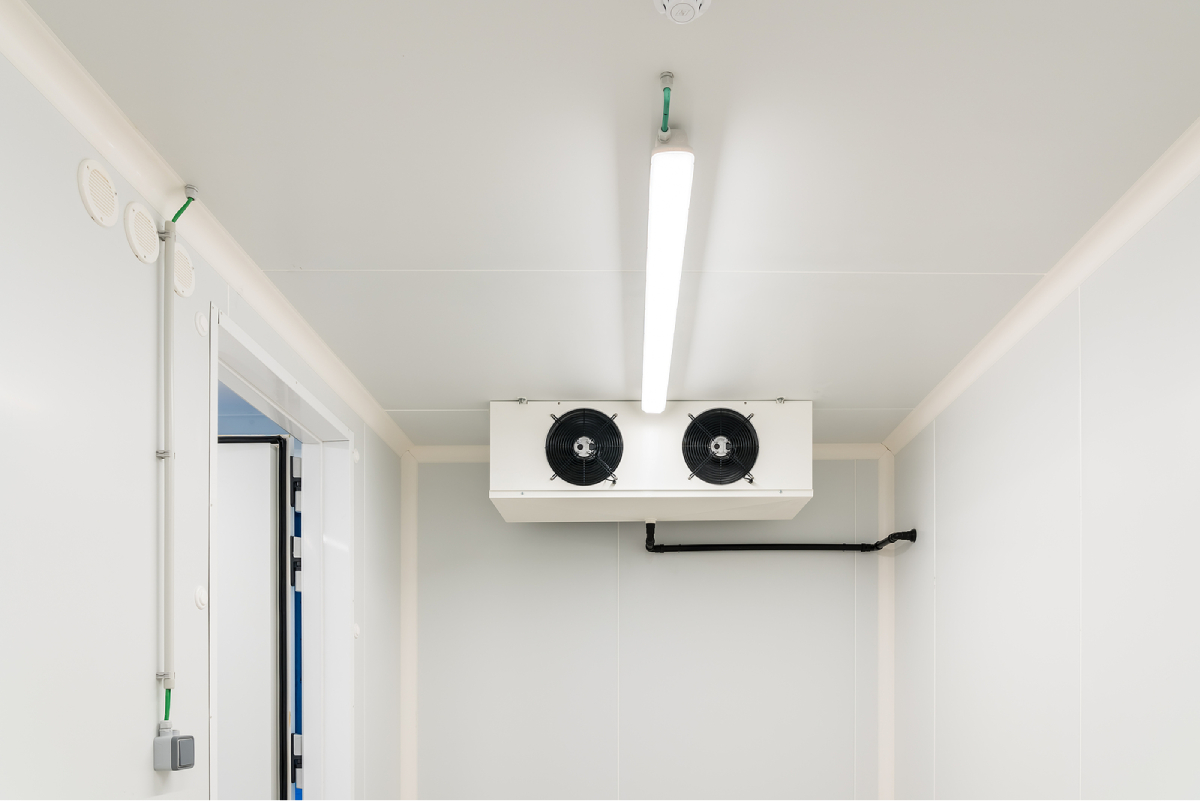
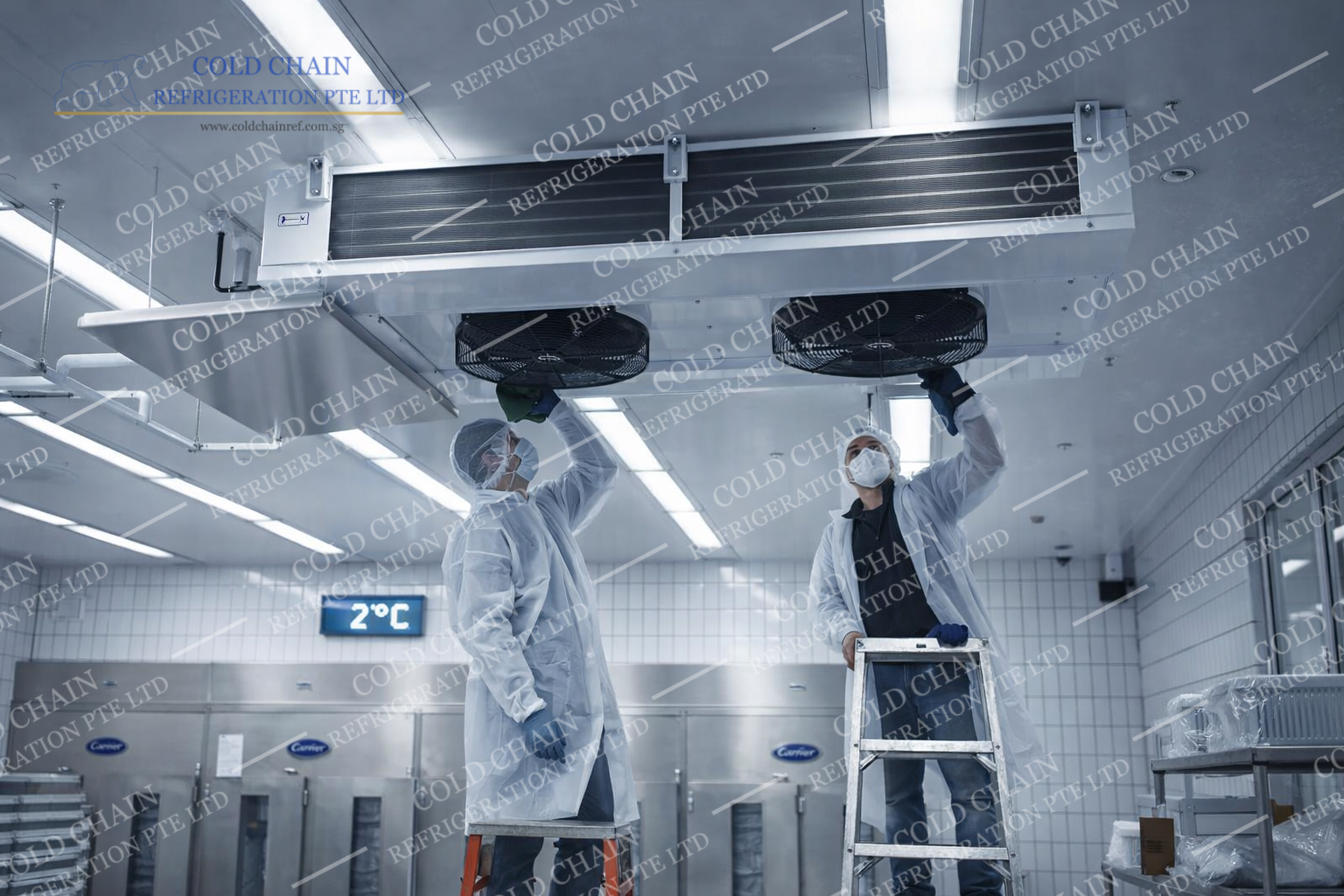
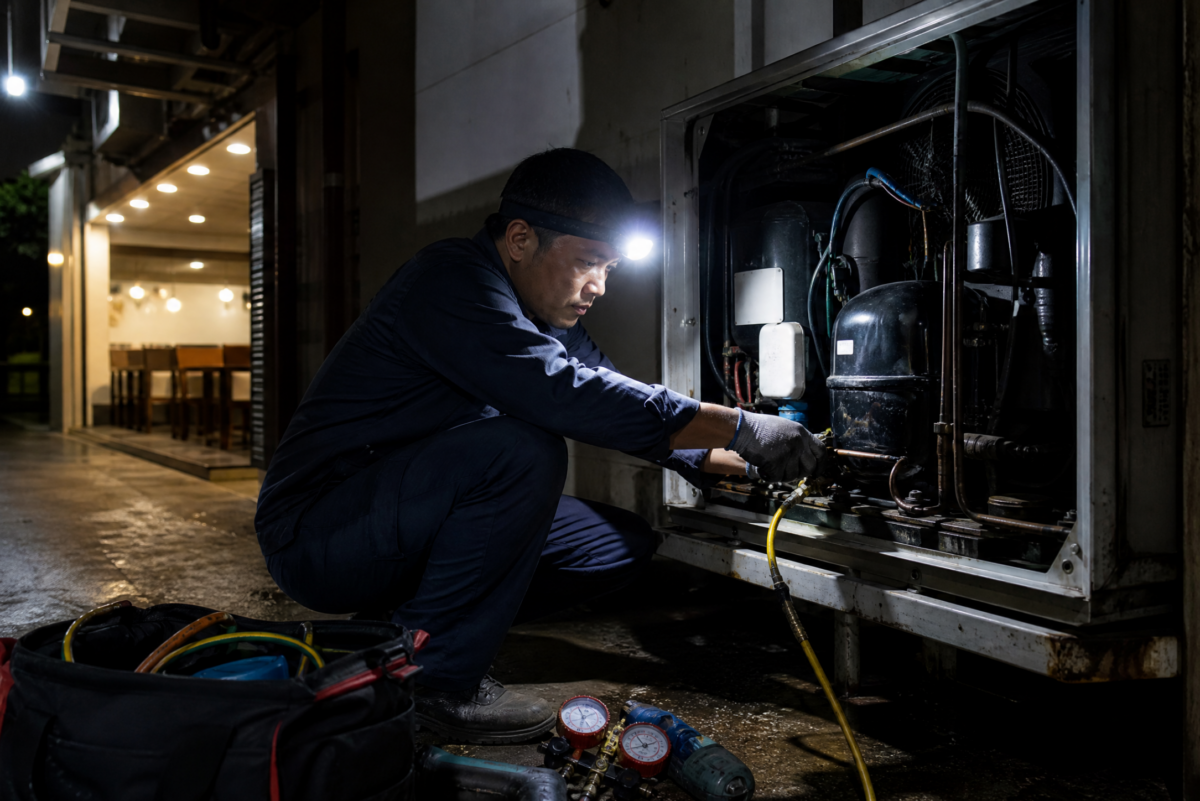
A cold room does not send a warning email before it fails. One faulty compressor, one refrigerant leak, or one power trip overnight, and a business can wake up to a room full of stock that has been sitting above a safe temperature for hours.
For restaurants, pharmacies, and food distributors, that scenario is not a distant risk. It is one bad night away, and the businesses that recover quickest from it are usually the ones that had a repair plan in place before anything went wrong. The cost of that stock is rarely the only loss either, since a supplier or customer affected by a spoiled order will remember it long after the fault itself is fixed.
Why Breakdowns Rarely Happen at a Convenient Time
Refrigeration systems tend to fail under load, which often means during a heatwave, a busy trading period, or overnight when nobody is on site to notice. A compressor that has been working harder than usual for days is more likely to give out on the fifth day than the first, and by the time a fault becomes obvious, the temperature inside the room may already be climbing.
Waiting until office hours to call for help can turn a manageable fault into a full stock loss. A restaurant that opens for dinner service only to find its walk-in chiller warm has very little room to improvise, and the decisions made in that first hour often determine how much stock, if any, can still be saved.
What a 24/7 Repair Plan Actually Covers
A 24/7 cold room repair service generally means exactly what it says: a technician who can be reached and dispatched outside normal business hours, not just a hotline that takes a message until the following morning. For a business running perishable stock, that distinction is the difference between a contained fault and a total loss.
How quickly a technician responds counts for a great deal here, though the value goes beyond arrival time alone. An experienced technician can often diagnose a fault over the phone first, talking a manager through an immediate step, such as consolidating stock into a backup unit, while help is on the way.
Having that support on call, instead of needing to search for it during an emergency, removes one significant source of stress from an already stressful situation. It also means a business is not relying on whichever contractor happens to answer the phone at short notice, often at a premium call-out rate and with no prior knowledge of the site. That familiarity with a site’s specific equipment can shave a meaningful amount of time off a diagnosis.
Signs Your Current Cover Is Not Enough
Some businesses only discover their existing arrangement falls short once they need it. A few warning signs are worth checking before that happens:
- Your maintenance contract covers scheduled servicing but is silent on emergency response
- Support is only reachable during standard office hours
- You are unsure who to call outside a set list of business days
- Past call-outs have taken longer than a few hours to get someone on site
- Your business handles temperature-sensitive stock with little buffer if the room fails
- Nobody has actually tested how the emergency process works in practice
If more than one of these sounds familiar, it may be worth reviewing your current cover before a breakdown forces the question.
Questions Worth Asking Before You Sign Up
Not every 24/7 service is built the same way, and a prospective contractor should be pressed on a few specifics before a business commits to a plan:
- Will the technician already be familiar with your site and equipment, or seeing it for the first time
- Are your technicians experienced in handling commercial refrigeration systems?
- Does the plan cover public holidays, which is when many businesses discover a gap in their cover
- What happens if a fault cannot be fixed on the spot and stock needs to be moved elsewhere
Clear answers to these questions, agreed before a fault occurs, save a great deal of confusion in the middle of an actual breakdown.
A written service level agreement, rather than a verbal understanding from the initial sales call, gives both sides something concrete to refer back to if a dispute ever arises over response times.
Building Repair Response Into Everyday Planning
A repair plan works best when it sits alongside routine servicing and a clear sense of when to call a technician, instead of replacing either. Preventive maintenance reduces how often a breakdown happens in the first place, while round-the-clock cover limits the damage on the occasions it still does, and businesses in food, pharmaceutical, and hospitality sectors often build both into a single service arrangement, so routine checks and emergency response come from a team that already knows the site’s equipment instead of a technician seeing the room for the first time during a crisis.
Protecting Stock Around the Clock
Cold Chain Refrigeration provides round-the-clock service and maintenance for businesses that cannot afford a cold room fault to go unanswered overnight or over a weekend.
If your current arrangement leaves any gap in that cover, we are happy to talk through what dependable round-the-clock support could look like for your site.