


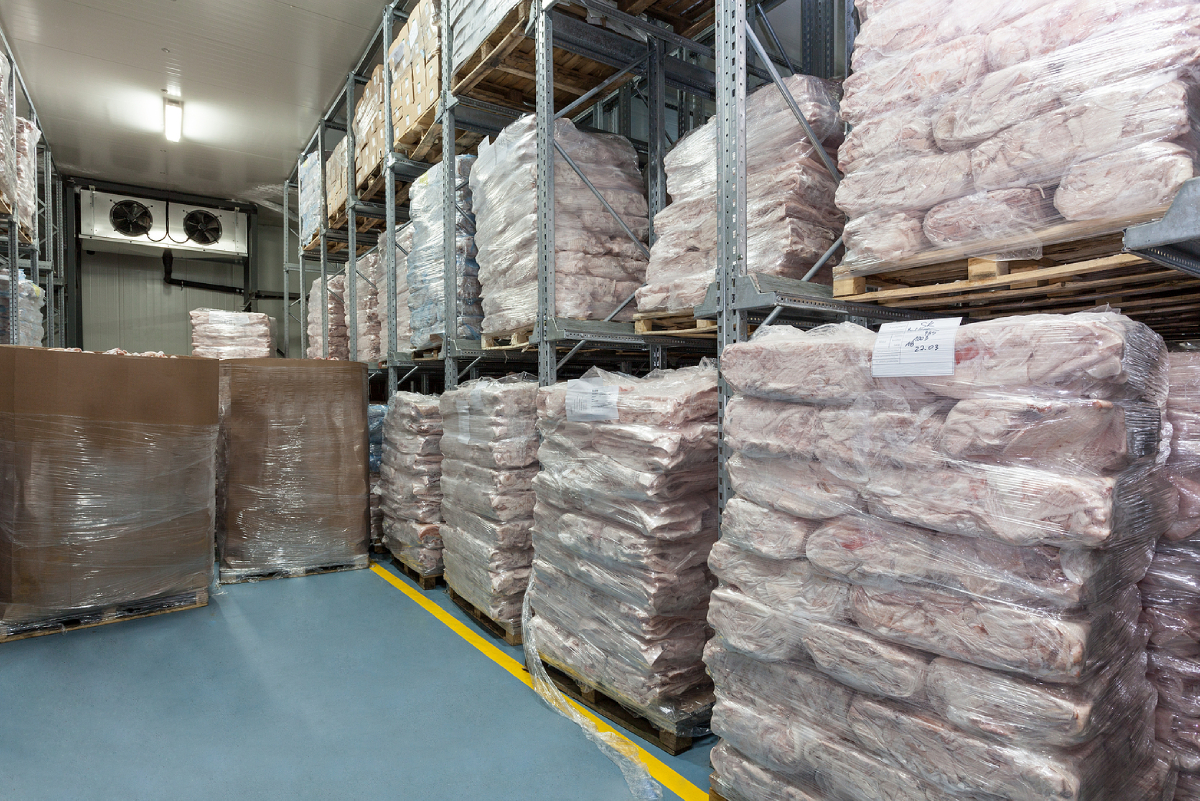
Planning a cold room for your business is one of the most consequential infrastructure decisions you will make. Get it right, and you have a reliable, energy-efficient facility that protects your stock, satisfies regulators, and supports your operations for years to come. Get it wrong, and you face a system that struggles to hold temperature, consumes far more energy than it should, and requires costly remedial work before it has even paid for itself.
This guide walks you through the key considerations involved in planning a cold room in Singapore, from understanding your operational requirements through to compliance, layout, and the importance of working with the right professionals.
Start With Your Operational Requirements
Before any drawings are produced or equipment is specified, the most important step is to be clear about exactly what your cold room needs to do. This sounds straightforward, but it is a stage many businesses rush through, with consequences that only become apparent after the system is installed.
Consider the following questions carefully:
- What products will the room store, and what are their specific temperature requirements?
- How much stock will you be holding at any one time, and does this vary significantly across the year?
- How frequently will staff enter and exit the room, and will goods be loaded or unloaded directly from vehicles?
- Do you need a single-temperature environment, or will your operation benefit from separate zones for chilled and frozen storage?
These questions matter because the answers directly shape every aspect of the room’s specification, from insulation panel thickness and refrigeration capacity through to door type and placement. A hotel kitchen that needs rapid access to chilled ingredients throughout a busy service period has very different requirements from a pharmaceutical warehouse where the door opens only a few times a day and temperature excursions carry regulatory consequences.
Good cold room design begins with this operational brief, and it should be as detailed and honest as possible before any technical specification work begins. This article on cold room design for food, pharma, and logistics industries offers a useful overview of how different sectors approach these requirements.
Understanding Singapore’s Regulatory Environment
Singapore’s regulatory framework for cold storage is rigorous, and rightly so. Given that Singapore imports more than 90% of its food supply, the integrity of cold chain infrastructure has a direct bearing on public health and food safety.
For food and beverage operators, the Singapore Food Agency (SFA) sets clear temperature requirements. Most perishable items in chilled storage must be held between 0°C and 4°C, while frozen storage must operate at -18°C or below. Beyond temperature, the SFA also stipulates requirements around structural integrity, including surface finishings that are easy to clean, proper drainage, and appropriate pest-proofing.
For pharmaceutical operators, the Health Sciences Authority (HSA) enforces Good Distribution Practice (GDP) guidelines, requiring that cold rooms holding temperature-sensitive medicines be validated environments with continuous monitoring, documented procedures, and audit-ready record-keeping. GDP guidelines stipulate specific temperature ranges, typically between 2°C and 8°C, for vaccines and certain medications.
From a fire safety perspective, the Singapore Civil Defence Force (SCDF) regulates cold rooms under Clause 9.8.2 of the Fire Code 2023. Cold rooms built with combustible insulation panels must be compartmentalised from surrounding areas using a non-combustible outer layer with at least one hour of fire resistance rating, with maximum floor areas of 100m² per compartment in non-sprinkler-protected buildings and 700m² in sprinkler-protected ones. Where fire-rated panels are used, larger compartment sizes are permitted, up to 2,000m² or 4,000m² respectively. These requirements have direct implications for panel selection, room sizing, and facility layout.
Additionally, all cold stores for meat and seafood products must be licensed by the SFA before they are permitted to store products for wholesale distribution. Engaging with the relevant regulatory requirements early in the planning process is essential, as they may influence the room’s physical design in ways that are far easier to accommodate from the outset than to retrofit later.
Sizing and Layout
One of the most common planning errors is underestimating how much space is actually needed. A room that is too small will be inefficient, difficult to organise, and may compromise temperature consistency due to overcrowding. Equally, a room that is excessively large for its contents will consume more energy than necessary, which is a significant consideration given Singapore’s electricity costs.
According to the Energy Market Authority (EMA), energy cost constitutes the largest component of the regulated electricity tariff, at 76.2% or 21.5 cents per kWh in the first half of 2025. Refrigeration is one of the most energy-intensive systems in any commercial facility, and correct sizing has a direct and ongoing impact on your operating costs.
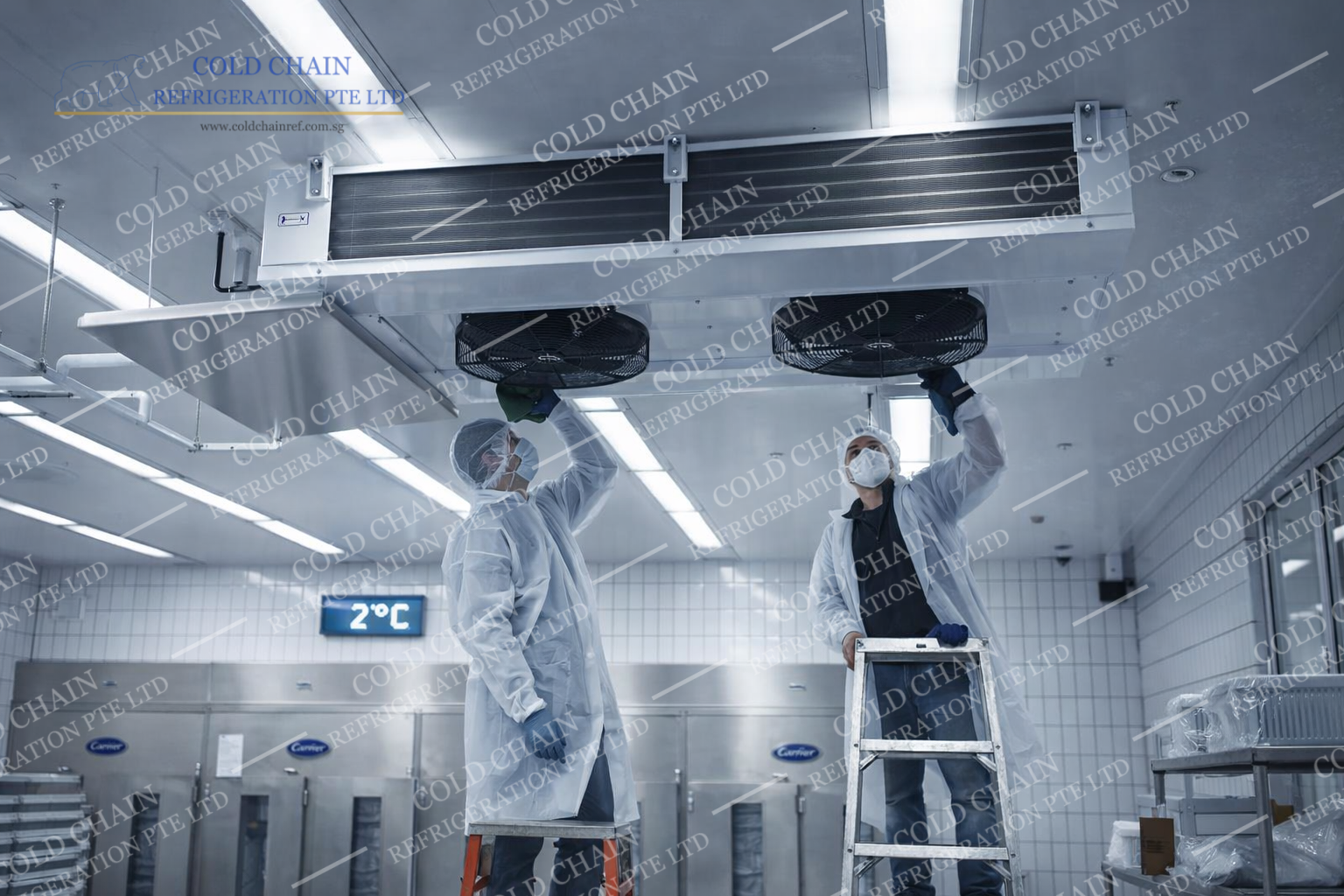
When planning the layout, consider the flow of goods through the space. The most efficient cold rooms are those where stock movement is logical and minimises the time the door remains open. Think about where goods will be received, how they will be organised internally, and whether any processing or preparation activity will take place inside. Door placement deserves particular attention — in a busy kitchen or food production environment, a poorly positioned door can create bottlenecks during peak service, increasing door-open durations and placing unnecessary strain on the refrigeration system.
Insulation, Refrigeration Equipment, and Monitoring
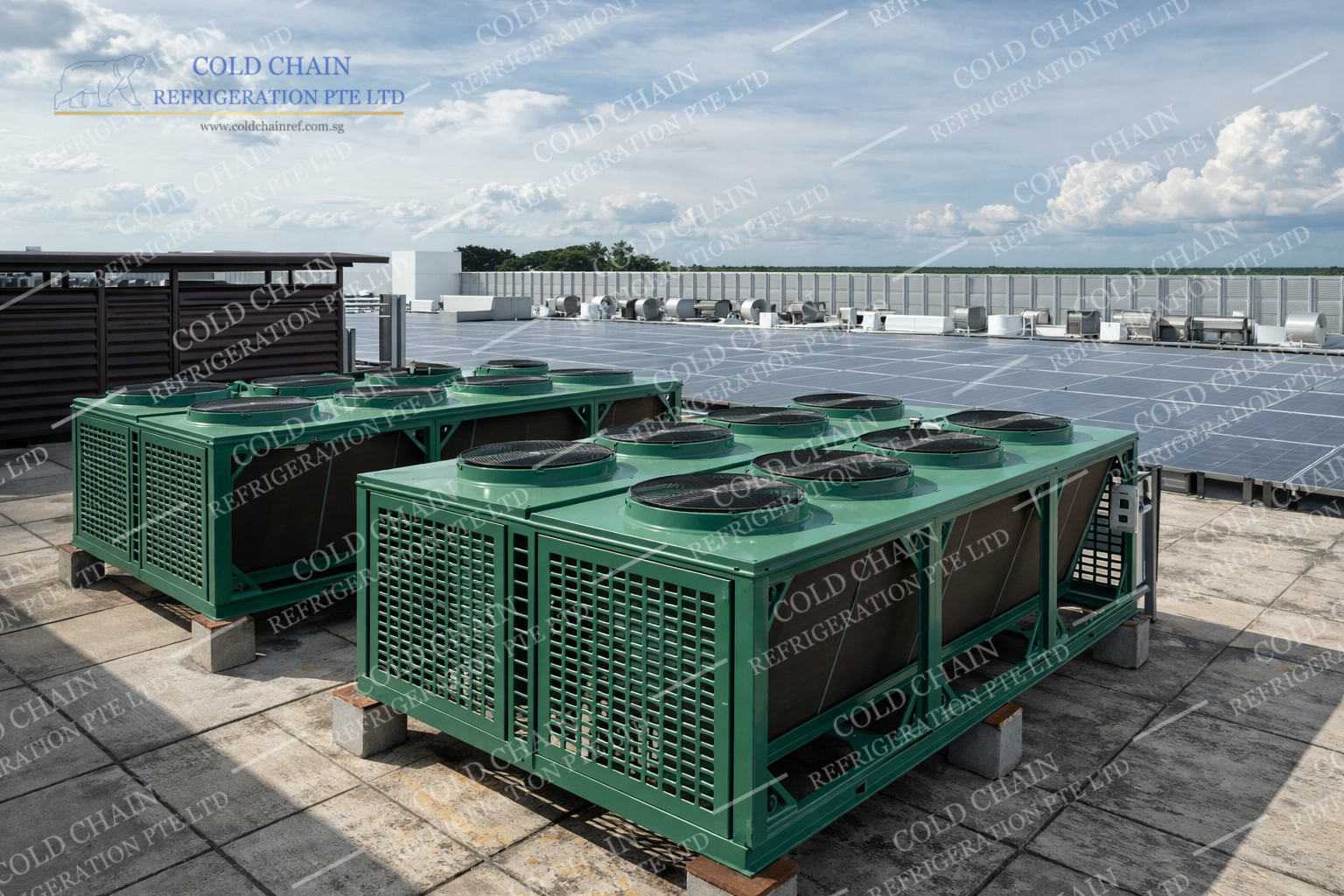
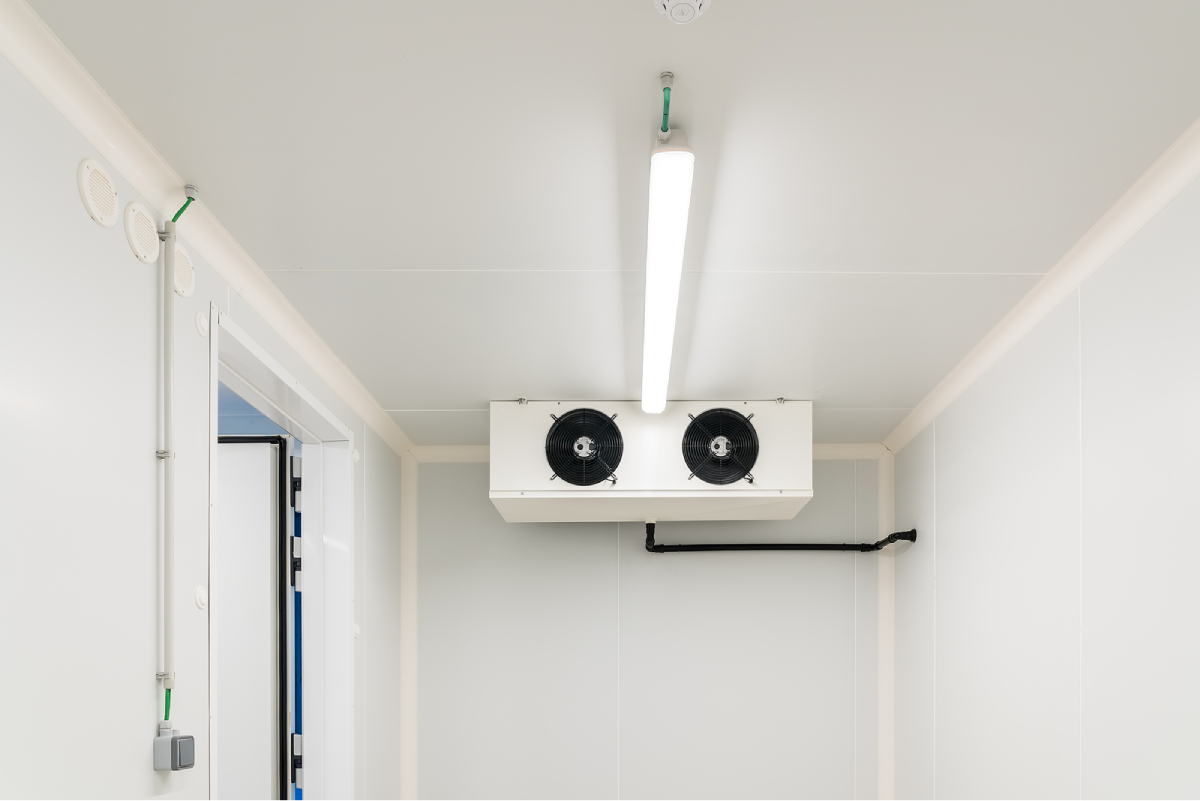
In Singapore’s tropical climate, with ambient temperatures frequently above 30°C and year-round high humidity, the differential between the outside environment and the interior of a freezer room is substantial. Thicker, higher-grade insulation panels reduce heat ingress, ease the load on the refrigeration system, and contribute to more stable internal temperatures.
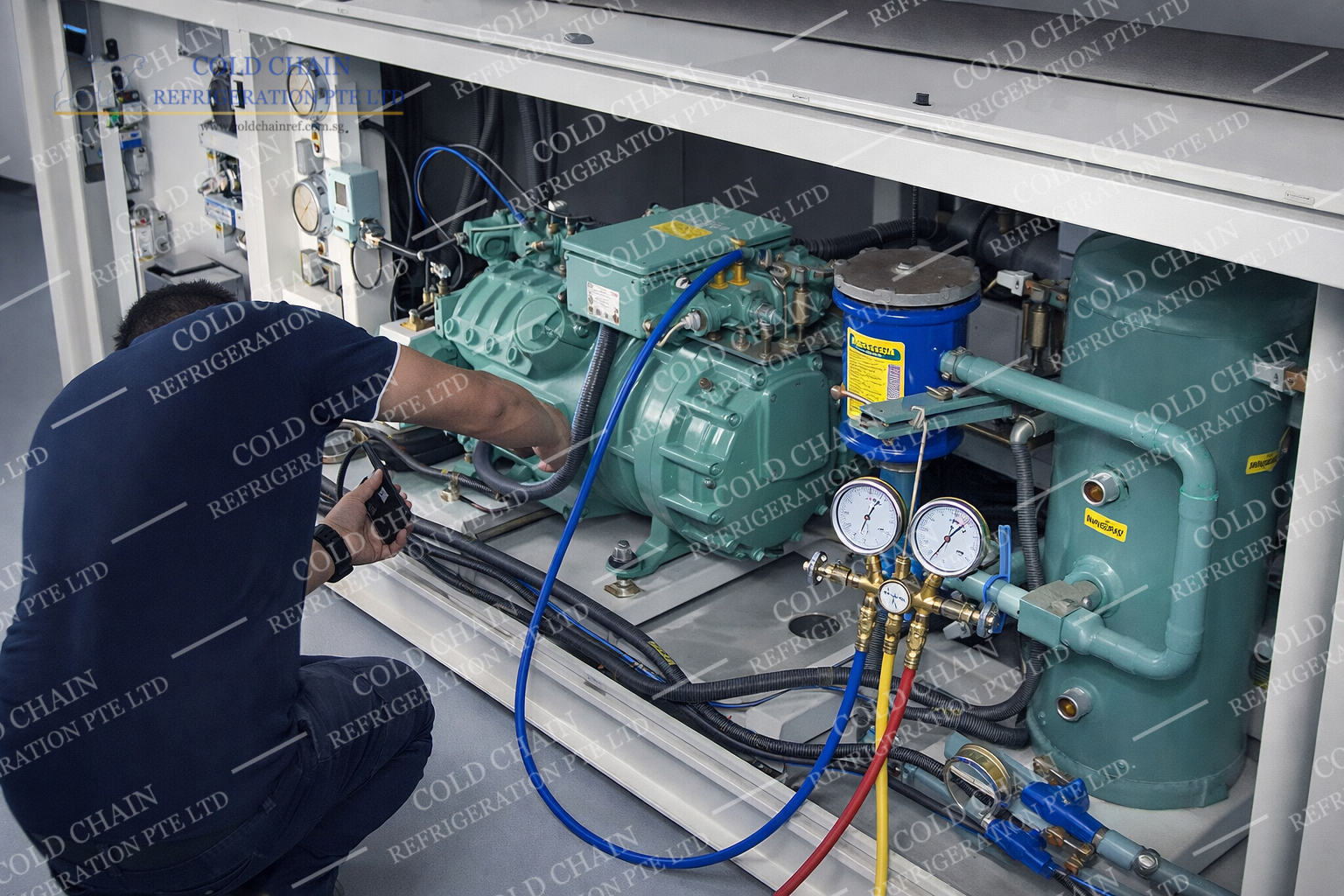
Refrigeration equipment should be sized to match the room’s calculated heat load, taking into account the volume of goods, door-opening frequency, ambient conditions, and internal heat sources. An undersized system will struggle to reach its set point, run continuously, accelerate wear, and drive up energy bills.
Temperature monitoring is no longer optional. Real-time systems with automated alerts allow operators to respond immediately to any deviation, whether caused by a system fault, a door left ajar, or an unexpected surge in heat load. For businesses subject to SFA or HSA oversight, digital monitoring records also provide the audit trail that regulators expect.
Plan Well, Operate Confidently
A well-planned cold room is a genuine business asset. It protects your stock, supports your compliance obligations, and provides your team with the infrastructure they need to work efficiently day in and day out. The time spent getting the planning right at the outset is always a worthwhile investment.
If you are planning a new cold room or looking to upgrade your existing cold storage infrastructure, speak to our team at Cold Chain Refrigeration. With extensive experience across the food and beverage, pharmaceutical, and hospitality sectors, we can guide you through every stage of the process, from initial brief to completed installation.