


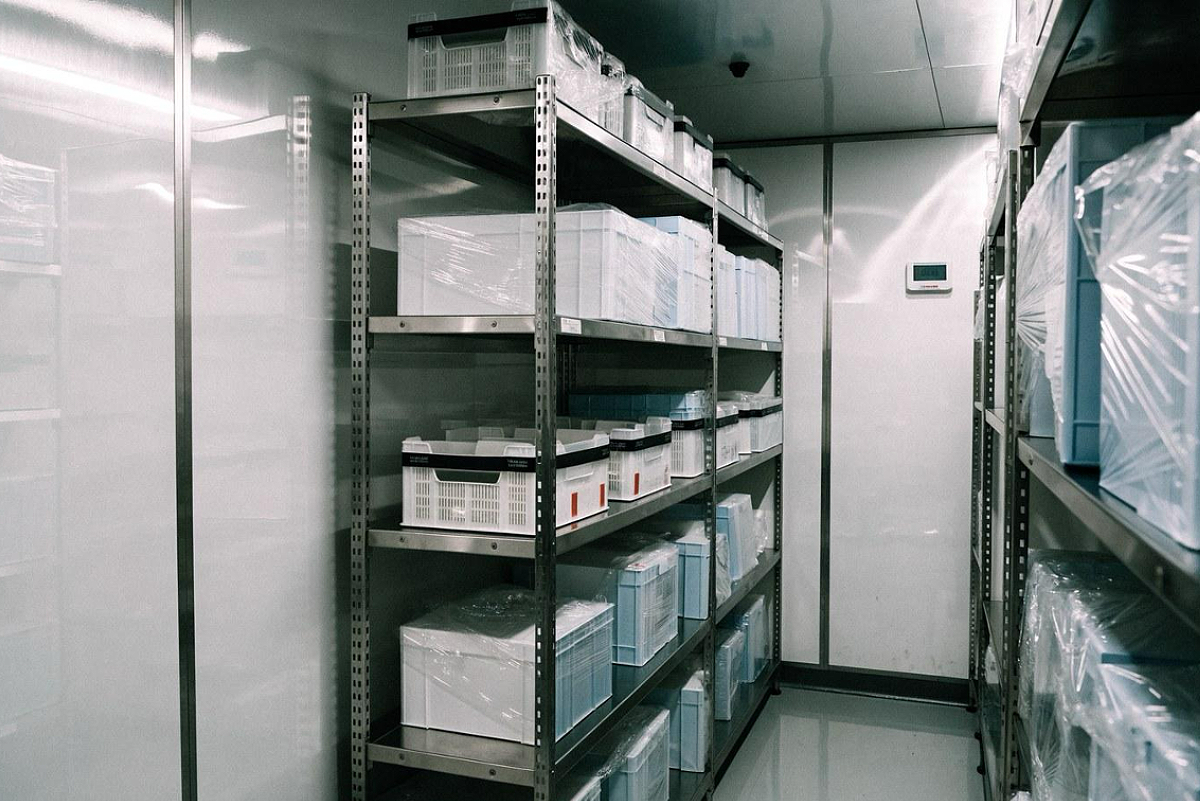
A vaccine shipment held two degrees too warm for three hours can be quietly written off before anyone notices a problem. For clinics, pharmacies and small manufacturers, that kind of loss rarely announces itself with an alarm. It shows up later, in a failed potency test or a batch nobody trusts enough to dispense.
This is why the choice of partner for temperature-controlled storage carries more weight in healthcare than in almost any other sector. A general handyman or an air-conditioning installer might get a room cold. Getting it reliably, consistently and safely cold, in a way that protects sensitive stock over years of use, calls for a proper cold room specialist with genuine experience in this kind of project.
Why Pharma Storage Is a Different Category of Project
Singapore has built itself into a hub for biotechnology and pharmaceutical manufacturing, and that growth has pulled a wide range of smaller players into its orbit: clinics, distributors, contract packers and specialty pharmacies among them. Each of these businesses now carries some responsibility for temperature-sensitive stock, often without the scale to run a dedicated facilities team.
Pharmaceutical products are frequently held to narrower temperature bands than food, and the tolerance for drift is much smaller. A chiller running two or three degrees warm might still be acceptable for dairy. The same drift on certain medications or diagnostic reagents can render them unusable. The margin for error is thin, and the cost of getting it wrong extends well beyond the value of the stock itself.
What to Look for Beyond a Quote
Price is the easiest thing to compare between contractors, and often the least useful. A low quote that skips proper heat-load calculations or uses undersized refrigeration will cost more in electricity, breakdowns and spoiled stock than it ever saved upfront.
A few questions separate a genuine specialist from a general contractor taking on unfamiliar work:
- Does the contractor size the system based on an actual heat-load assessment, instead of a rough estimate?
- Can they explain how the room will hold temperature during frequent door access, not just when sealed shut overnight?
- Do they offer backup or redundancy options for a business that cannot afford downtime?
- Is ongoing servicing part of the relationship, or does support end once the room is switched on?
- Can they point to experience with healthcare or laboratory clients specifically, beyond food and beverage projects?
A specialist contractor treats these as starting points for a conversation, not obstacles to a sale. If a provider brushes past questions like these, that itself is useful information.
Design Details Specific to Healthcare Storage
Every cold room design has to answer the same basic questions about space, temperature and airflow. Pharma applications add a few extra layers on top. Redundancy is one of the biggest: a backup compressor or an alarm that reaches someone outside working hours can be the difference between a minor hiccup and a spoiled batch.
Monitoring is another point to raise early with any contractor. Continuous, documented temperature tracking gives a business confidence that stock has stayed within range, and it gives staff an early warning before a small fault becomes a serious one. The kind of connected sensors and alerts covered in our article on Smart Cold Rooms & IoT Monitoring are increasingly standard for pharmaceutical and healthcare storage, not just a premium extra.
Access patterns deserve thought too. A pharmacy counter or a hospital dispensary opens its cold storage repeatedly through the day, which is a very different load profile from a warehouse freezer opened a handful of times per shift. A specialist accounts for this at the design stage, well before it becomes an issue after installation.
Sizing for Today Without Overbuilding
Many healthcare businesses grow their stock range gradually instead of all at once, which makes right-sizing tricky. Oversized rooms waste energy and money from day one. Undersized rooms force awkward workarounds within a year or two, as staff stack products too tightly or split stock across multiple smaller units.
Servicing and Support After Installation
The relationship with a cold room specialist should not end at handover. Healthcare and pharmaceutical operators, in particular, benefit from a provider who offers responsive servicing and can be reached quickly if something goes wrong, since even a short outage carries real risk for sensitive stock.
Ask prospective contractors how servicing works in practice: response times, whether call-outs are available outside normal hours, and how faults are diagnosed remotely before a technician is even dispatched. These details rarely appear on a quotation, but they shape how well a business is protected once the room is running.
Making the Right Choice From the Start
Selecting a contractor for pharma or healthcare cold storage is not a decision to rush or to base on price alone. The stakes around stock integrity, patient safety and regulatory trust are simply too high for a trial-and-error approach.
Cold Chain Refrigeration works with businesses across food, pharmaceutical and logistics settings to design and maintain cold rooms suited to sensitive, high-value stock. If your business is planning a new facility or reviewing an existing one, our team is glad to talk through what a well-designed system should look like for your specific storage needs.