


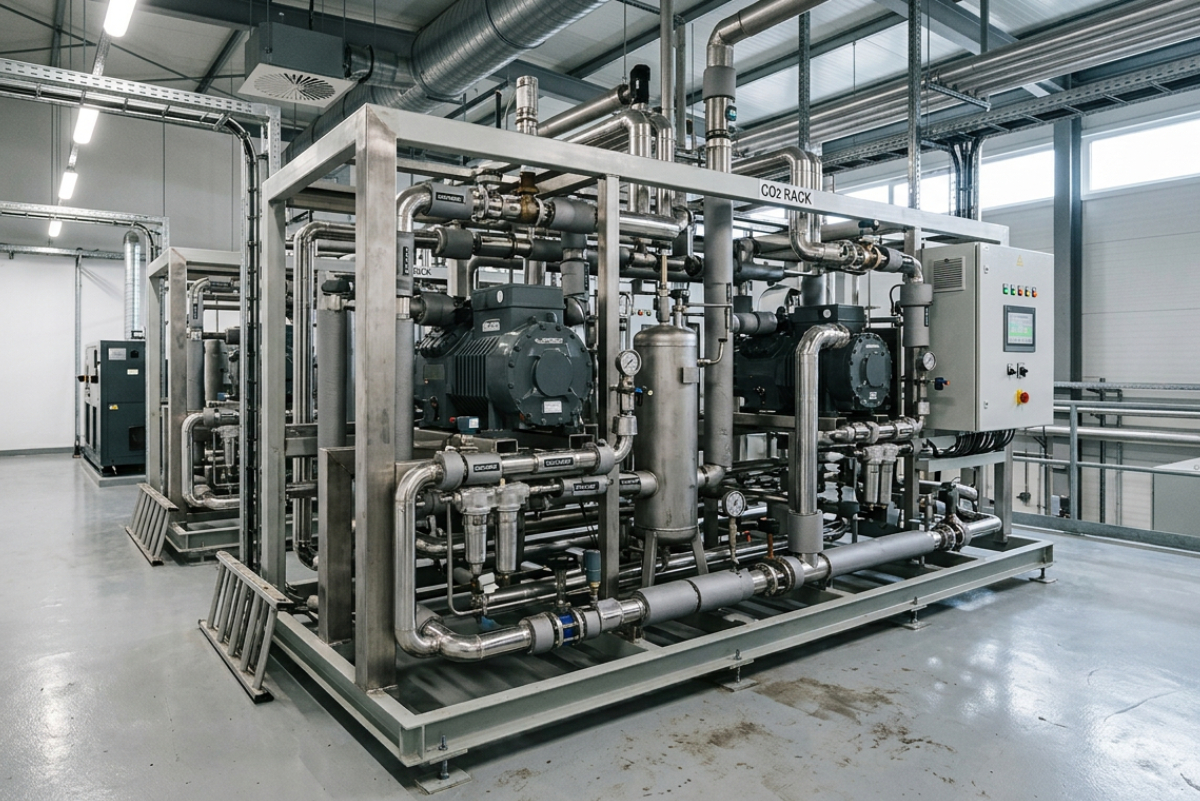
Refrigerants have moved from a background technical detail to a genuine planning concern. As global rules tighten and Singapore steps up its climate commitments, the type of gas circulating inside your cold room now carries commercial and regulatory weight. What once seemed a purely engineering choice increasingly shapes budgets and compliance.
Understanding low-GWP options is becoming part of sound cold room refrigeration planning. The shift affects equipment choices, running costs and long-term compliance, so getting ahead of it pays off. A little foresight now can spare you an awkward and expensive scramble later.
What GWP Actually Means
GWP, or global warming potential, measures how much heat a gas traps in the atmosphere compared with carbon dioxide over a set period. Carbon dioxide has a GWP of one, while many older refrigerants sit in the thousands. A refrigerant described as low-GWP simply has a far smaller climate impact if it leaks or is released at end of life.
Common low-GWP options include natural refrigerants such as CO₂ (R744), ammonia (R717) and certain hydrocarbons, alongside newer synthetic blends known as HFOs. Each brings its own strengths and trade-offs around efficiency, safety and system design, which is why the right choice depends heavily on the application.
Why the Shift Is Happening Now
The direction of travel is set by international agreement. Singapore ratified the Kigali Amendment to the Montreal Protocol, committing to progressively reduce consumption of high-GWP hydrofluorocarbons. The National Environment Agency has since introduced licensing controls and measures on the handling of climate-unfriendly refrigerants in the refrigeration and air-conditioning sector.
For businesses, this means the supply of equipment using high-GWP gases will narrow over time, while servicing and refrigerant top-ups for legacy systems may become more costly and harder to source. Planning around that trajectory is far easier than reacting to it once the options have thinned.
What It Means for Your Cold Room
The practical implications depend on your current setup. New installations are the easiest place to adopt cleaner technology, since the system can be designed around the refrigerant from the outset. Retrofitting an existing plant is possible in some cases, though not always straightforward, because pressures, oils and component compatibility differ between gases.
CO₂ systems in particular have matured considerably and are increasingly practical for cold rooms in Singapore’s climate. Cold Chain Refrigeration’s move into CO2-Based Refrigeration Systems reflects this wider industry direction, and it points to where much of the market is heading.
Weighing Safety and Efficiency
No single refrigerant suits every situation, and safety is part of the equation. Ammonia is highly efficient but toxic, hydrocarbons are efficient but flammable, and CO₂ operates at high pressures that call for suitable components and expertise. Each option can be used safely when the system is designed and installed correctly, with appropriate ventilation, detection and staff awareness.
Efficiency also varies with conditions. Some low-GWP systems perform superbly in cooler climates but need careful design to hold their efficiency in Singapore’s heat. A contractor who understands local conditions can specify a system that stays both compliant and economical to run.
The Cost Picture
Cost sits behind many of these decisions. High-GWP refrigerants are likely to grow more expensive as supply tightens, so a system that leans on them may face rising service and top-up bills. Newer low-GWP systems can offset part of their upfront cost through better efficiency and steadier running costs, which strengthens the long-term case for making the change on your own timetable.
Planning an Upgrade Sensibly
There is no need to rush into a full replacement, yet there is real value in planning early. A considered approach usually weighs several factors:
- the age, condition and remaining service life of existing equipment
- the expected cost and availability of the current refrigerant
- energy efficiency gains offered by newer systems
- safety, ventilation and detection requirements for the chosen refrigerant
- how any changeover fits around operational downtime and stock
Weighing these against your maintenance budget helps you decide whether to upgrade now, plan for the next replacement cycle or simply keep a closer eye on refrigerant pricing. For many operators, a phased approach spreads both cost and disruption.
Working With the Right Partner
Choosing and installing cleaner systems calls for genuine expertise. Different refrigerants bring different safety, efficiency and design considerations, and a competent contractor will match the technology to your goods, your space and your compliance obligations. Sound advice at this stage prevents expensive missteps later, whether you run a single walk-in chiller or a larger multi-room installation.
Looking Ahead
The move towards climate-friendly cooling is well under way, and businesses that plan ahead will face fewer surprises as the rules continue to tighten. Treating refrigerant choice as part of long-term strategy, instead of a last-minute fix, puts you in a stronger position.
Cold Chain Refrigeration works with modern, environmentally responsible refrigeration technology and can advise on options suited to your operations. If you are weighing up your next system or preparing for future compliance, speak with our specialists for guidance tailored to your needs.