


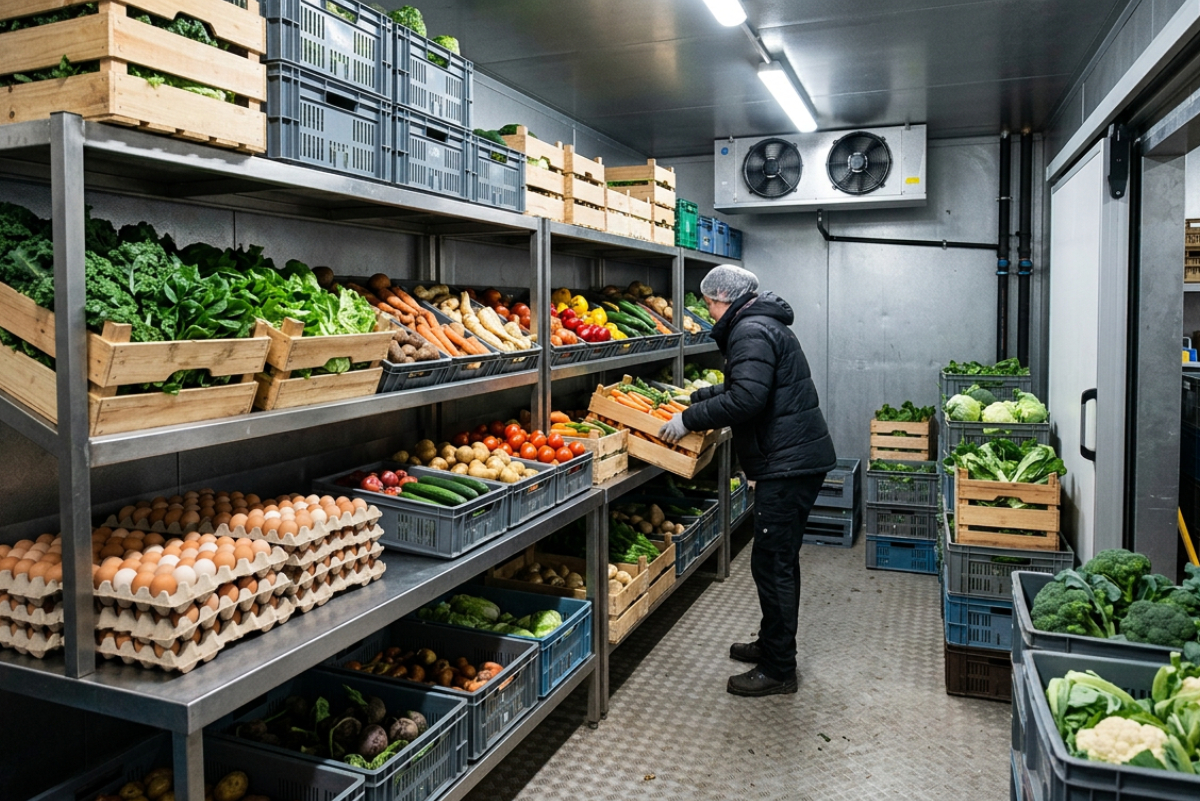
Freshly harvested vegetables, eggs and fish begin to lose quality from the moment they leave the farm, and in a tropical climate that clock ticks fast. For Singapore’s growing community of local producers, the gap between harvest and sale is where much value is either protected or lost, sometimes within a single day.
Reliable cold storage sits at the heart of that challenge, and for many growers that means a custom cold room sized to their produce. As the country works towards producing more of its own food, the ability to keep produce fresh, safe and market-ready has become a practical priority for farms, aquaculture operators and food processors alike. The right system protects both the harvest and the margins that depend on it.
Why Local Producers Have Distinct Needs
Local production carries different pressures from large import operations. Volumes can be smaller and more variable, harvest cycles create sudden peaks, and many producers work with delicate goods that bruise or spoil easily. A one-size-fits-all approach rarely serves them well.
Singapore’s 30 by 30 food security goal, which aims to produce close to a third of the nation’s nutritional needs locally by 2030, has drawn fresh attention to this part of the supply chain. Better on-site storage helps producers reduce waste and meet demand more consistently, which supports the wider national push.
Matching Temperature to Produce
Different foods call for different conditions, and storing them correctly extends shelf life considerably. Leafy greens and many vegetables keep best in a chiller a few degrees above freezing with controlled humidity. Fish and seafood need lower temperatures and rapid chilling. Eggs have their own recommended range, and getting it right helps them reach shelves in prime condition.
A well-designed cold room can accommodate these needs, sometimes with separate zones for different products. Getting the environment right protects both quality and food safety, which in turn protects a producer’s reputation with buyers and regulators.
Hygiene, Humidity and Handling
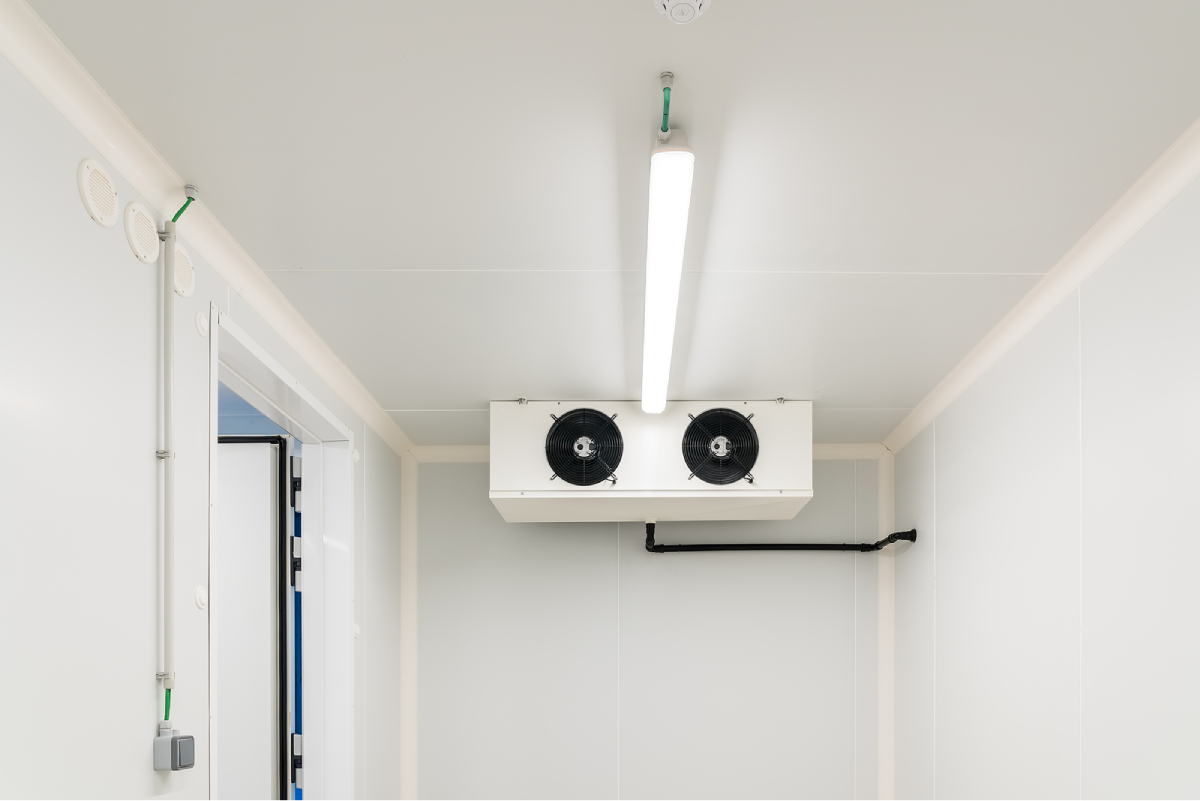
Freshness depends on more than temperature alone. Humidity control keeps leafy produce from wilting and stops other goods from sweating, while good air circulation prevents warm pockets that speed up spoilage. A room designed with these details in mind holds quality far longer than one that simply runs cold.
Hygiene is central for anyone handling food. Smooth, cleanable surfaces, sensible layouts and clear separation of product types reduce contamination risk and make daily cleaning easier. These considerations protect both the produce and the people who rely on it.
Managing Seasonal Peaks and Space
Harvest gluts and festive demand can overwhelm storage that was sized for average conditions, and produce left unchilled during a peak is produce at risk. Overcrowding brings its own problems, and the impact of overstocking on cold room efficiency is well documented, so planning capacity with some headroom and keeping airflow clear even when full helps producers cope when volumes surge.
Modular, well-planned designs also let a growing operation scale without starting from scratch, which suits farms expanding output year on year. Building in a little flexibility early saves disruptive rework later.
Meeting Buyer and Retail Expectations
Supermarkets, grocers and restaurants increasingly expect consistent quality and dependable supply. Produce that arrives limp, warm or uneven is quickly marked down or turned away, which erodes the premium that local, fresh goods can command. Sound, reliable chilling helps producers meet those expectations shipment after shipment.
Record-keeping is becoming part of the conversation too. A well-run cold room, with reliable temperature logging, makes it easier to show that produce has been kept safe throughout, which builds trust with buyers and supports any future audit or certification.
Efficiency, Reliability and Cost
For smaller producers, every dollar counts, so energy efficiency and reliability weigh heavily. A cold room that runs cheaply and rarely fails protects both margins and stock. Quality insulation, appropriately sized refrigeration and sensible maintenance all contribute to a system that earns its keep.
Beyond simple storage, a dependable system supports better stock rotation, safer handling and steadier supply to customers. The initial outlay is best viewed as an investment in resilience against waste and lost sales.
Building for the Long Term
As local food production grows, storage will only become more central to how producers operate. Investing in the right system early avoids costly retrofits later and positions a business to take on larger contracts with confidence. The strongest results usually come from working with a specialist who understands both refrigeration and the realities of handling fresh produce in a tropical setting.
Keeping locally grown food fresh from farm to table is a demanding task, and the right refrigeration makes it achievable. Thoughtful design, dependable equipment and sound planning give producers the confidence that their hard-won harvest stays in top condition. Contact our team to explore a solution built around your operation.