


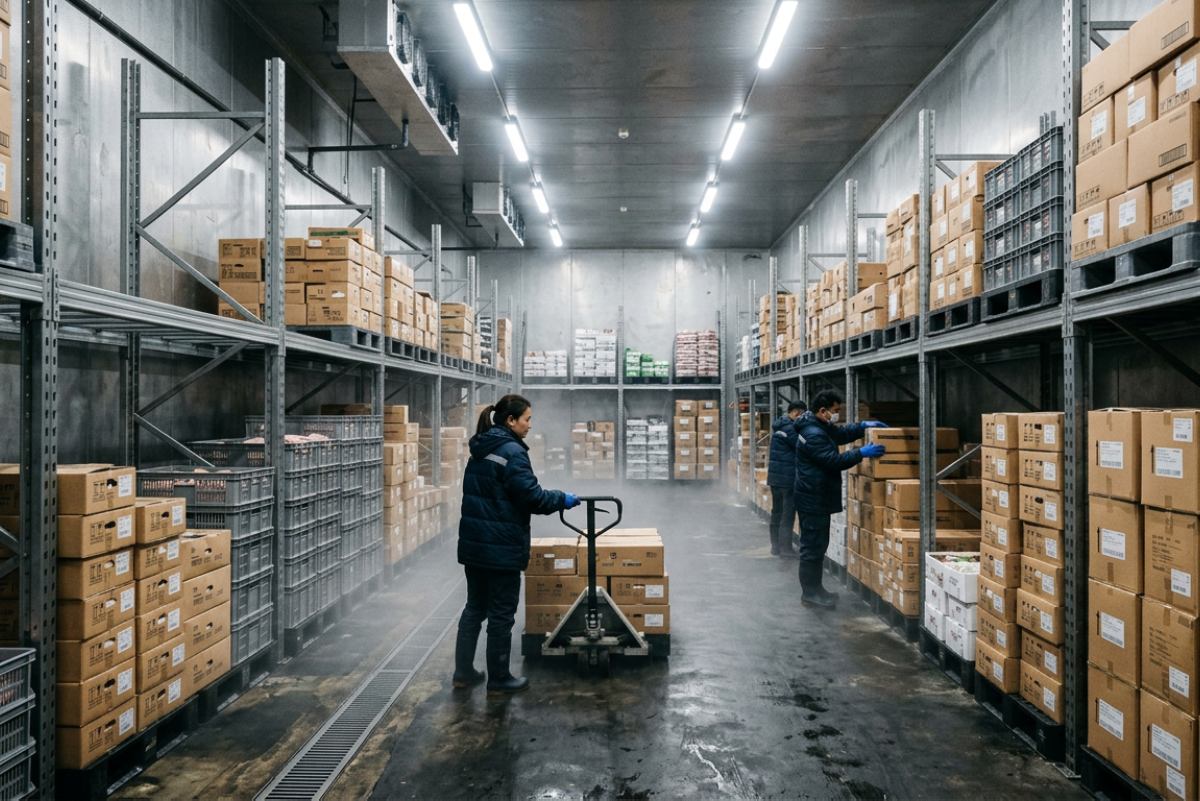
Every degree of cooling shows up on your utility bill, and for businesses running walk-in chillers and freezers around the clock, refrigeration can quietly become one of the largest line items on the monthly statement. Cooling never switches off, so even a modest inefficiency repeats itself hour after hour until it grows into a serious sum. When margins are tight, that steady draw on electricity deserves a closer look.
Running a commercial cold room efficiently does not mean compromising on temperature or food safety. With the right mix of maintenance, design choices and daily discipline, most operations in Singapore can trim consumption while keeping stored goods fully protected. The measures below range from quick housekeeping fixes to longer-term upgrades, and they work best in combination.
Understand Where the Energy Goes
Before making changes, it helps to know what actually drives consumption. A cold room compressor does the heavy lifting, and anything that forces it to work harder or longer increases the load. Common culprits include warm air infiltration through doors, poor insulation, iced-up evaporator coils, dirty condensers and overstocked shelving that blocks airflow.
Singapore’s climate compounds the challenge. High ambient temperatures and near-constant humidity mean refrigeration systems rarely get an easy day, so small inefficiencies translate into meaningful cost over a year. A unit that struggles to reject heat on a hot afternoon draws more power precisely when demand, and often tariffs, sit at their highest.
Keep the System Well Maintained
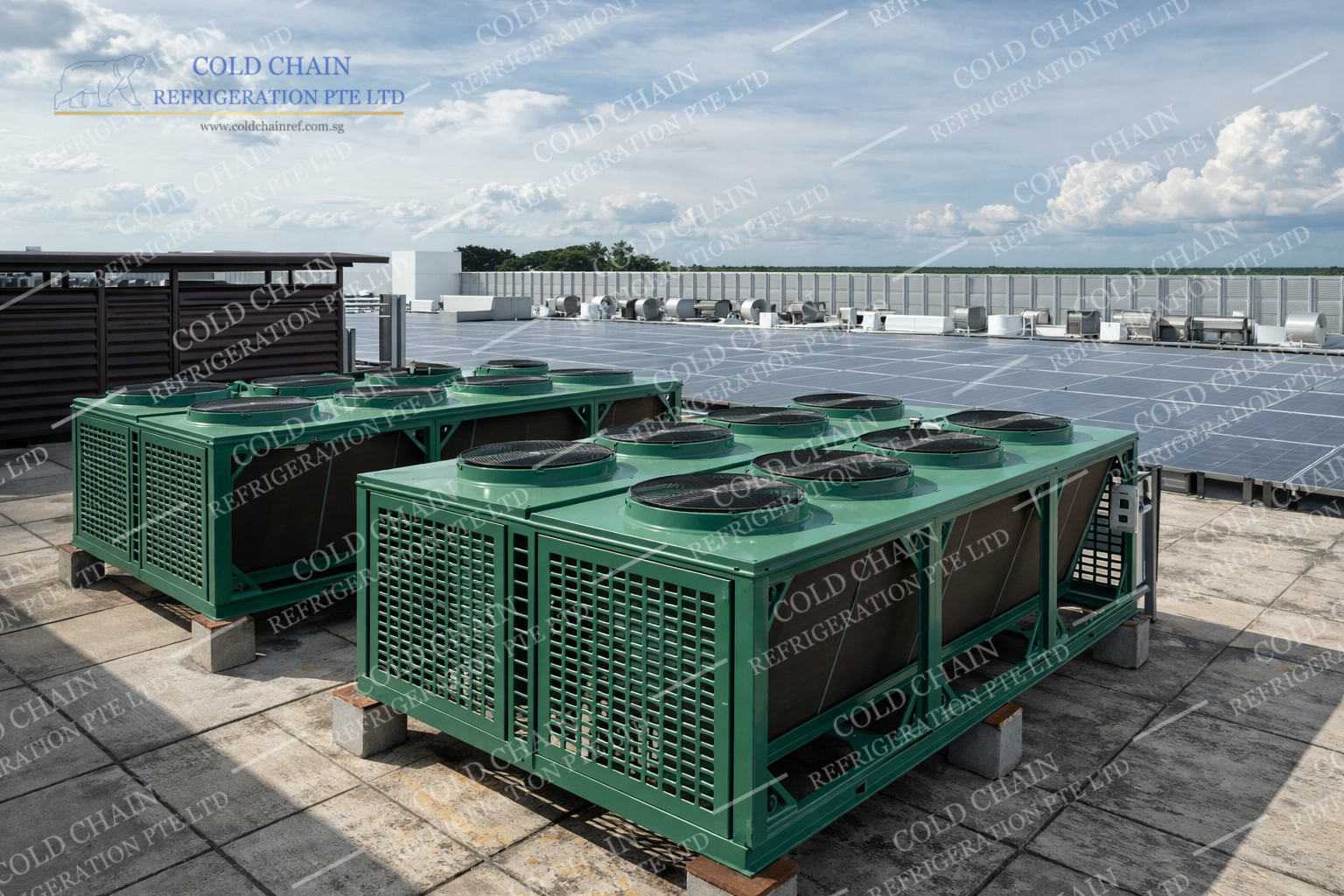
A neglected system almost always uses more power than a well-kept one. Dirty condenser coils trap heat and force the compressor to run longer cycles, while worn door seals let warm, humid air seep in, adding to both energy use and frost build-up. Low refrigerant charge and blocked drains have similar effects, quietly eroding performance long before anything appears to break.
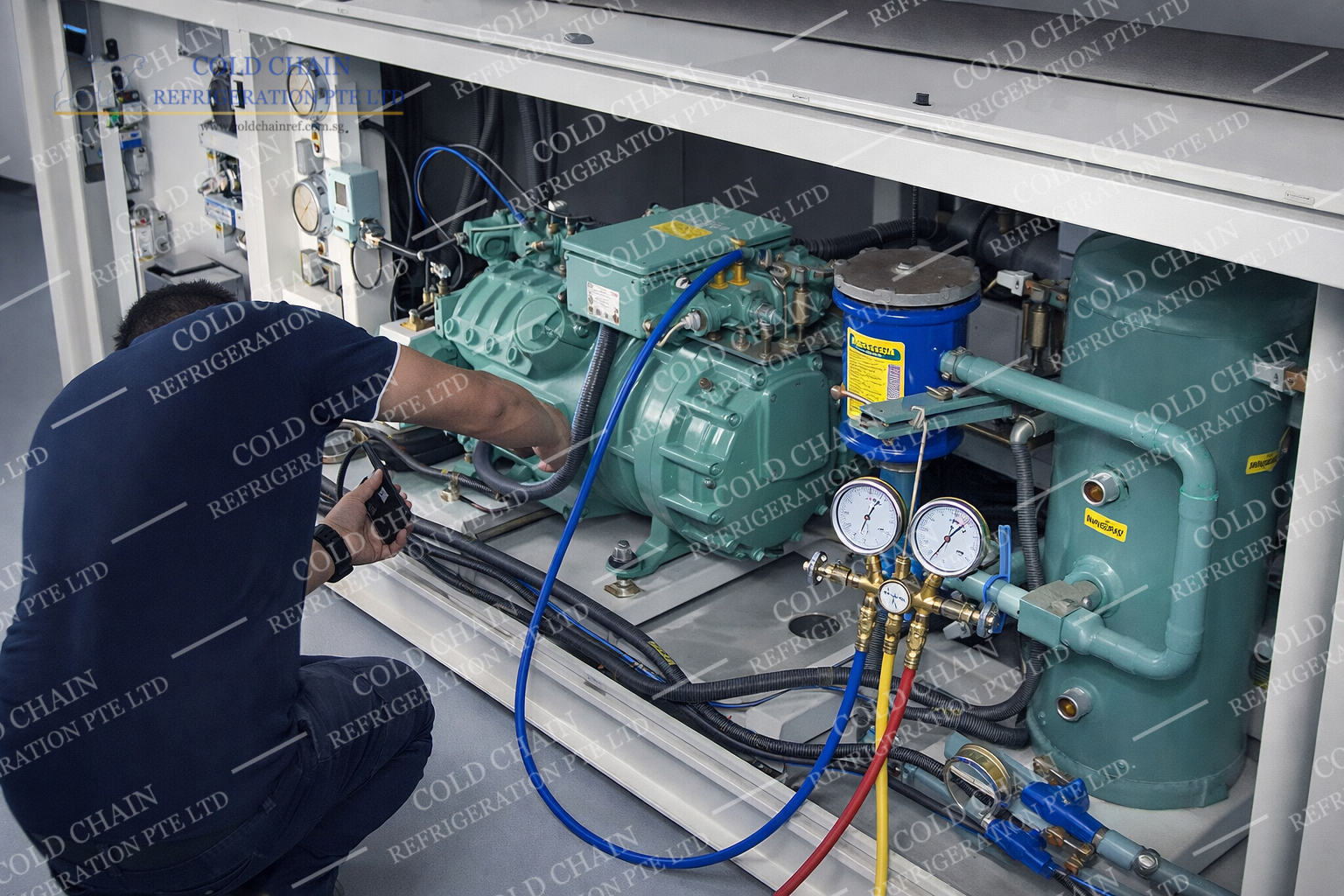
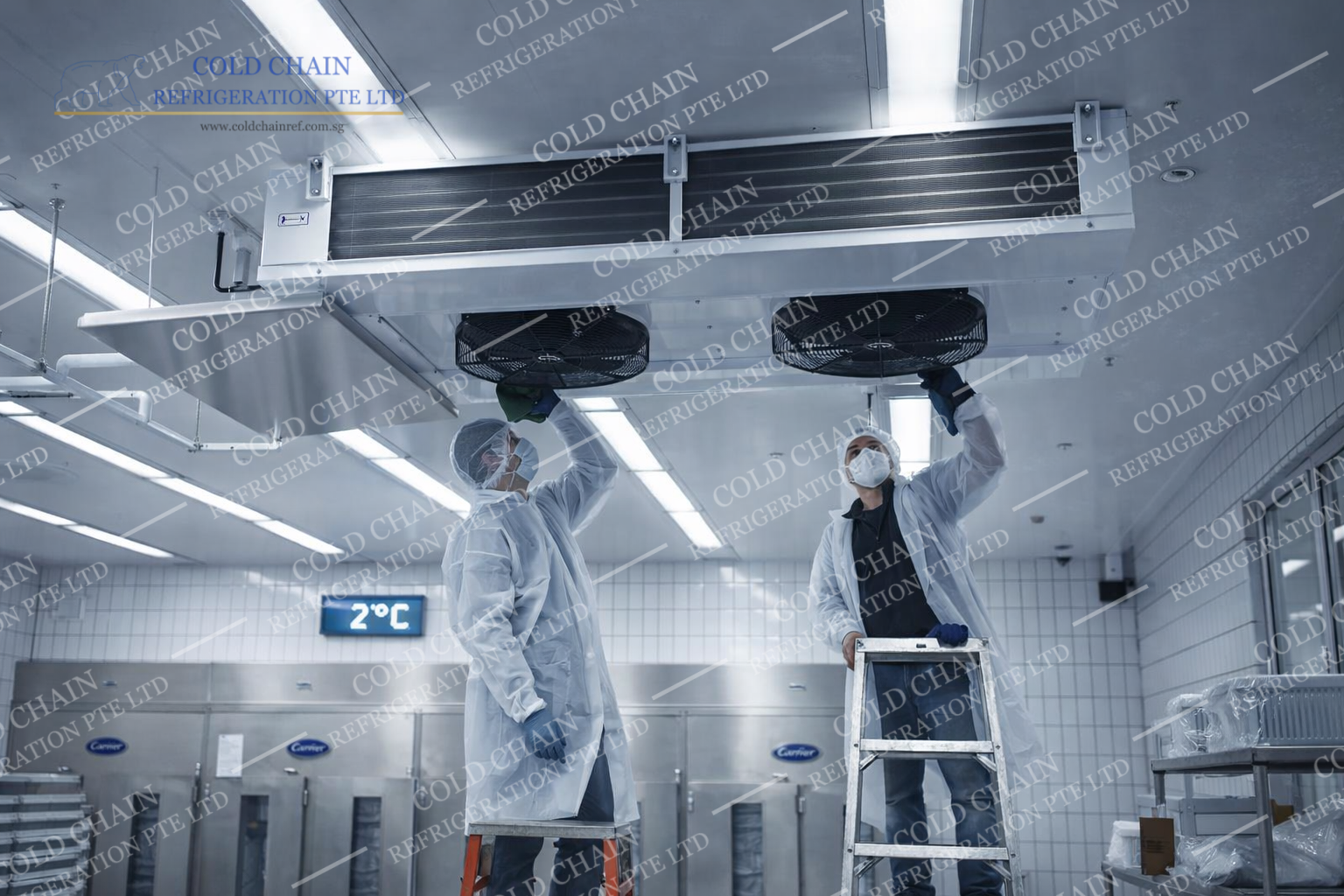
Scheduling regular cold room servicing keeps these issues in check. Routine attention to refrigerant charge, coil cleanliness, door gaskets and defrost cycles helps the system run closer to its designed efficiency. Preventive care also reduces the risk of a breakdown, which tends to be far more expensive than the servicing itself, both in repair bills and in spoiled stock.
Review Insulation and Door Discipline
Insulation is the first line of defence against heat gain. Panels that have aged, absorbed moisture or suffered forklift damage will leak cold and push up consumption. Upgrading to higher-grade insulated panels can pay for itself over time through lower running costs, and it also steadies the internal temperature.
Doors deserve equal attention. Every opening lets conditioned air escape, so strip curtains, air curtains, automatic closers and better staff habits around door time all make a measurable difference. Grouping stock retrieval into fewer trips is a no-cost way to reduce losses, and it eases the load on the compressor during busy periods.
Optimise Temperature Settings and Airflow
Setting a cold room colder than necessary wastes energy for no benefit. Matching the set point to the actual storage requirement, and avoiding unnecessary overcooling, is one of the simplest savings available. Even a degree or two of surplus cooling can add noticeably to annual consumption.
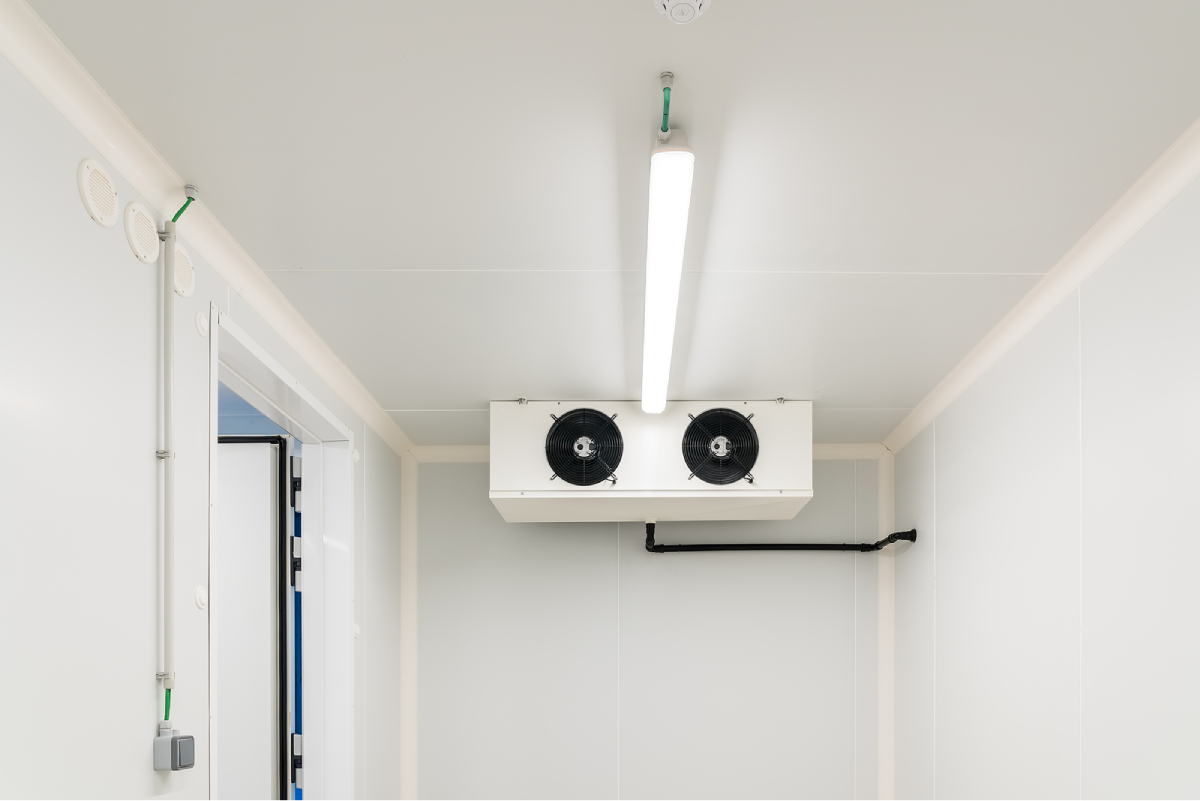
Airflow is just as important. Cold air needs clear paths to circulate, so shelving should never block evaporator fans, and stock should not be crammed against walls. A tidy, well-planned layout allows even cooling at a lower energy cost, and it protects product quality by preventing warm spots.
Right-Size and Monitor the System
Oversized and undersized systems both waste money. A unit that is too large short-cycles and wears prematurely, while one that is too small runs almost continuously and still struggles in the heat. Sizing refrigeration to the real duty of the space is a decision best made at design stage, though a review at replacement time can correct earlier mistakes.
Monitoring turns guesswork into evidence. Simple temperature and energy logging shows when a room drifts, when defrosts run too often and when consumption creeps up, which is frequently the first sign of a developing fault. Acting on that data early keeps both costs and risk under control.
Consider Smarter Controls and Equipment
Modern controls give operators far better visibility. Electronic controllers, variable-speed compressors and monitoring sensors can adjust output to real demand instead of running flat out. Some businesses see quick returns simply by fitting better thermostats and scheduling defrost cycles more intelligently.
Small Habits, Steady Savings
Technology helps, but daily practice locks in the gains. Training staff to close doors promptly, report frost or unusual noises early and keep the space organised turns efficiency into a habit. Many of the same steps that maximise efficiency in your cold room operations also curb wasted power, so lower bills and smoother workflow tend to arrive together.
A Practical Path Forward
Bringing running costs under control is rarely about a single dramatic change. It comes from steady attention to maintenance, sensible design and informed daily habits, all working together over time. Each measure on its own may seem small, yet together they reshape the annual bill.
If you would like a clearer picture of where your refrigeration is losing efficiency, Cold Chain Refrigeration can help. Our team designs, installs and maintains cold rooms built for Singapore’s demanding conditions, and we are always glad to talk through practical options for your site. Reach out to our team to start the conversation.