


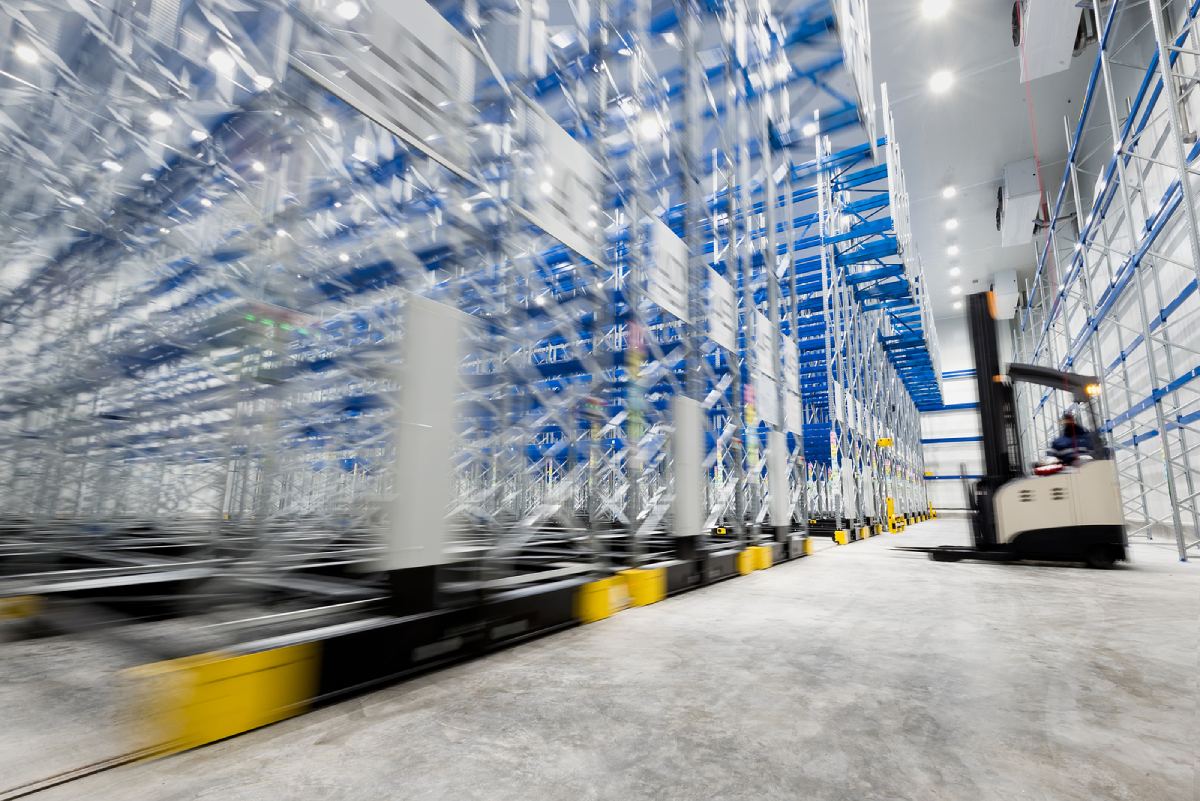
One unexpected temperature spike can undo thousands of dollars’ worth of inventory in hours. For businesses that rely on refrigeration, whether in F&B, pharmaceuticals, logistics, or food processing, cold storage is not just infrastructure. It is protection, compliance, and business continuity rolled into one.
Technology is rapidly reshaping how companies manage their cold storage room systems. Traditional setups that depend on manual checks and standalone controls are being replaced by intelligent cold rooms equipped with sensors, automation, and real-time monitoring. Smart cold storage is no longer a luxury reserved for large corporations. It is becoming the new industry standard.
Why Traditional Cold Rooms Are No Longer Enough
For many years, cold rooms operated on basic thermostat controls with occasional manual inspections. Staff would log temperatures and react when something went wrong. While this approach worked in the past, it leaves too much room for human error and delayed response.
Today’s regulatory requirements are stricter. Food safety standards demand traceable temperature records. Pharmaceutical storage must meet precise environmental controls. Customers expect higher quality and consistency. At the same time, energy costs continue to rise, making inefficiency expensive.
Relying on reactive maintenance instead of predictive systems increases risk. A single unnoticed compressor fault or door left ajar can cause temperature fluctuations that compromise product integrity.
Smart cold rooms solve these challenges by providing visibility, automation, and actionable data.
What Makes a Cold Room “Smart”?
A smart cold room integrates sensors, data logging, cloud connectivity, and intelligent control systems to monitor and optimise performance continuously.
Here is how it works in practical terms:
- Temperature and humidity sensors collect data in real time
- IoT devices transmit information to cloud-based dashboards
- Automated alerts notify teams if conditions move outside safe limits
- Data analytics help identify patterns and potential issues
Instead of discovering a problem during a routine check, businesses receive immediate notifications on their mobile devices or desktops. This proactive approach significantly reduces product loss and downtime.
More importantly, it allows companies to maximise efficiency in cold room operations by identifying areas where energy use, airflow, and equipment performance can be improved.
The Role of IoT Monitoring in Modern Cold Storage
IoT, or Internet of Things, refers to interconnected devices that communicate and share data. In cold storage environments, IoT monitoring transforms passive systems into active, intelligent networks.
1. Real-Time Temperature Visibility
Rather than relying on periodic manual checks, businesses gain 24/7 access to live data. If temperatures fluctuate beyond acceptable ranges, alerts are triggered instantly. This quick response prevents spoilage and protects compliance standards.
2. Automated Reporting for Compliance
Many industries require documented proof of consistent storage conditions. IoT systems automatically log temperature records and generate downloadable reports. This simplifies audits and reduces administrative workload.
3. Predictive Maintenance
Smart systems track equipment performance metrics such as compressor cycles and power consumption. When irregular patterns appear, maintenance teams can address minor issues before they become costly breakdowns.
4. Remote Access and Control
Managers can monitor multiple facilities from a single dashboard. Adjustments to temperature settings can be made remotely when necessary. This is particularly valuable for logistics companies or businesses with several outlets.
Energy Efficiency and Cost Control
Energy consumption is one of the largest operating costs in refrigeration. Smart cold rooms provide detailed energy usage insights that traditional systems cannot.
Data-driven optimisation allows businesses to:
- Adjust cooling cycles based on usage patterns
- Detect inefficient equipment early
- Reduce unnecessary overcooling
- Optimise door opening frequency through monitoring
These improvements lower utility bills while maintaining stable storage conditions. Over time, the cost savings can offset the investment in smart technology.
Enhanced Food Safety and Product Integrity
For food businesses, temperature control directly impacts quality and safety. Bacterial growth accelerates when storage conditions are inconsistent. Even small fluctuations can reduce shelf life.
Smart monitoring systems reduce this risk by maintaining tight temperature tolerances. Alerts ensure corrective action happens immediately. Historical data also provides traceability in the event of customer queries or inspections.
Pharmaceutical companies benefit even more significantly. Many vaccines and medications require highly controlled storage environments. Smart cold rooms provide the documentation and precision needed to meet regulatory standards.
Scalability for Growing Businesses
As businesses expand, so do their storage needs. Smart cold storage solutions are designed with scalability in mind.
New sensors can be added easily. Additional cold rooms can be integrated into the same monitoring platform. This flexibility allows companies to grow without overhauling their entire refrigeration infrastructure.
For companies planning long-term expansion, investing in intelligent systems early prevents costly retrofits later.
Data-Driven Decision Making
One of the most overlooked benefits of IoT monitoring is actionable insight. Over time, collected data reveals trends that help business owners make better operational decisions.
For example:
- Identifying peak usage hours
- Understanding seasonal demand shifts
- Pinpointing equipment that consumes excessive energy
- Tracking maintenance frequency and cost patterns
These insights support smarter budgeting, improved inventory management, and more strategic planning.
Rather than guessing where inefficiencies lie, businesses rely on measurable data.
Sustainability and Environmental Responsibility
Environmental responsibility is becoming a key priority for companies across Singapore. Refrigeration systems consume significant energy, and inefficient operations increase carbon footprints.
Smart cold rooms support sustainability goals by reducing energy waste and improving system performance. Monitoring refrigerant levels and detecting leaks early also helps minimise environmental impact.
Businesses that adopt intelligent cold storage solutions position themselves as forward-thinking and environmentally responsible, which strengthens brand reputation and customer trust.
What to Look for in a Smart Cold Room System
When upgrading to a smart solution, businesses should consider several factors:
1. Sensor accuracy and reliability
2. User-friendly dashboard interface
3. Secure cloud storage for data
4. Customisable alert thresholds
5. Integration with existing refrigeration equipment
6. Local technical support and maintenance expertise
Technology alone is not enough. Proper system design, installation, and ongoing servicing are critical for long-term performance.
Working with experienced refrigeration specialists ensures that your smart cold room is not only technologically advanced but also tailored to your operational requirements.
The Future Is Proactive, Not Reactive
Cold storage is evolving from a static facility component into an intelligent, data-driven asset. Businesses that adopt smart cold room systems gain greater control, reduced risk, improved compliance, and long-term cost savings.
Instead of reacting to breakdowns and temperature failures, companies can anticipate issues and prevent disruptions before they occur. This shift from reactive to proactive management defines the future of cold storage.
As IoT technology continues to advance, we can expect even more sophisticated features such as AI-driven optimisation, automated energy balancing, and deeper system integration across supply chains.
For businesses that depend on refrigeration, upgrading is no longer about keeping up with trends. It is about protecting inventory, meeting regulatory standards, and operating with confidence.
Conclusion: Upgrade Your Cold Storage with the Right Partner
Smart cold rooms and IoT monitoring offer powerful advantages, but their success depends on expert design, installation, and support. If you are exploring ways to enhance your refrigeration system and future-proof your operations, partnering with experienced specialists makes all the difference.
At Cold Chain Refrigeration, the team provides customised solutions designed around your workflow, compliance needs, and long-term goals. From system upgrades to fully integrated smart monitoring setups, we help businesses strengthen reliability while improving performance.
Discover how intelligent refrigeration solutions can transform your facility. Get in touch with us to learn more and take the first step toward smarter, safer, and more efficient cold storage today.